Snow, rain and black ice: Essential driving tips as winter weather hits
With snow forecast in parts of South Africa and heavy rain affecting other areas, motorists are being urged to take extra care on wet, icy and potentially snow-covered roads.
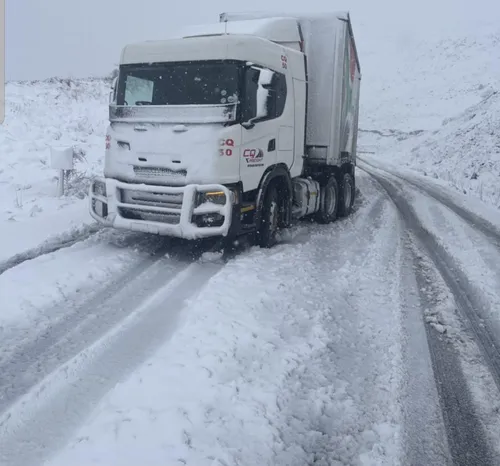
As snowfall and rain are forecast in parts of South Africa, drivers are being advised to take extra precautions. Eugene Herbert, CEO of MasterDrive, explains that snow and ice are uncommon in the region, so many motorists lack experience navigating such conditions. He emphasizes the importance of defensive driving, recommending that drivers reduce speed, apply brakes and acceleration gradually, and avoid sudden movements that could cause loss of traction. Checking tyre pressure and ensuring the antifreeze is topped up is also crucial.
Motorists should test their brakes gently to gauge the road's slippery nature and refrain from using cruise control and sport mode in snowy or icy conditions. They should increase their following distance to three times the usual spacing on snow and eight to ten seconds on icy roads. Dimming headlights is advised, while fog lights should be avoided as they could impede the visibility of oncoming traffic.
If a vehicle starts to spin, drivers should remove their foot from the accelerator, refrain from abrupt braking, steer in the direction of the spin until control is regained, then gently realign the vehicle.
The same safety measures apply when driving in rain. Drivers should maintain a slower pace, extend their following distance, verify their tyres have sufficient tread and pressure. Worn or improperly inflated tyres increase the risk of aquaplaning. Should a vehicle aquaplane, drivers should ease off the accelerator, keep the steering steady, and refrain from sudden braking until the tyres regain traction.
Headlights should remain on, even during daylight, to enhance visibility to other road users. Avoiding standing water is essential, as its depth can be hard to gauge and hidden dangers may lurk beneath the surface. Wipers and demisters should also be inspected before departure.
Sleet and rain can freeze on contact with the road, resulting in black ice – a thin, transparent layer that is hard to detect. Black ice is more likely to form on bridges and in shaded road sections. Drivers should exercise heightened caution in these areas. If black ice is suspected, motorists should keep the steering straight, refrain from braking, ease off the accelerator, and allow the vehicle to decelerate naturally.
When approaching curves, steering should be gentle to prevent over-steering and potential loss of control.
Written by urgent.news from IOL's reporting — not their text. Machine-written — may contain errors; check the original before relying on it.