Seedless Blackberries and Cherries That Grow on Bushes Vie to Be the Future of Food
Startups and Big Ag are using Crispr gene editing to create crops that taste better and grow on a hotter planet. But will they find a market?
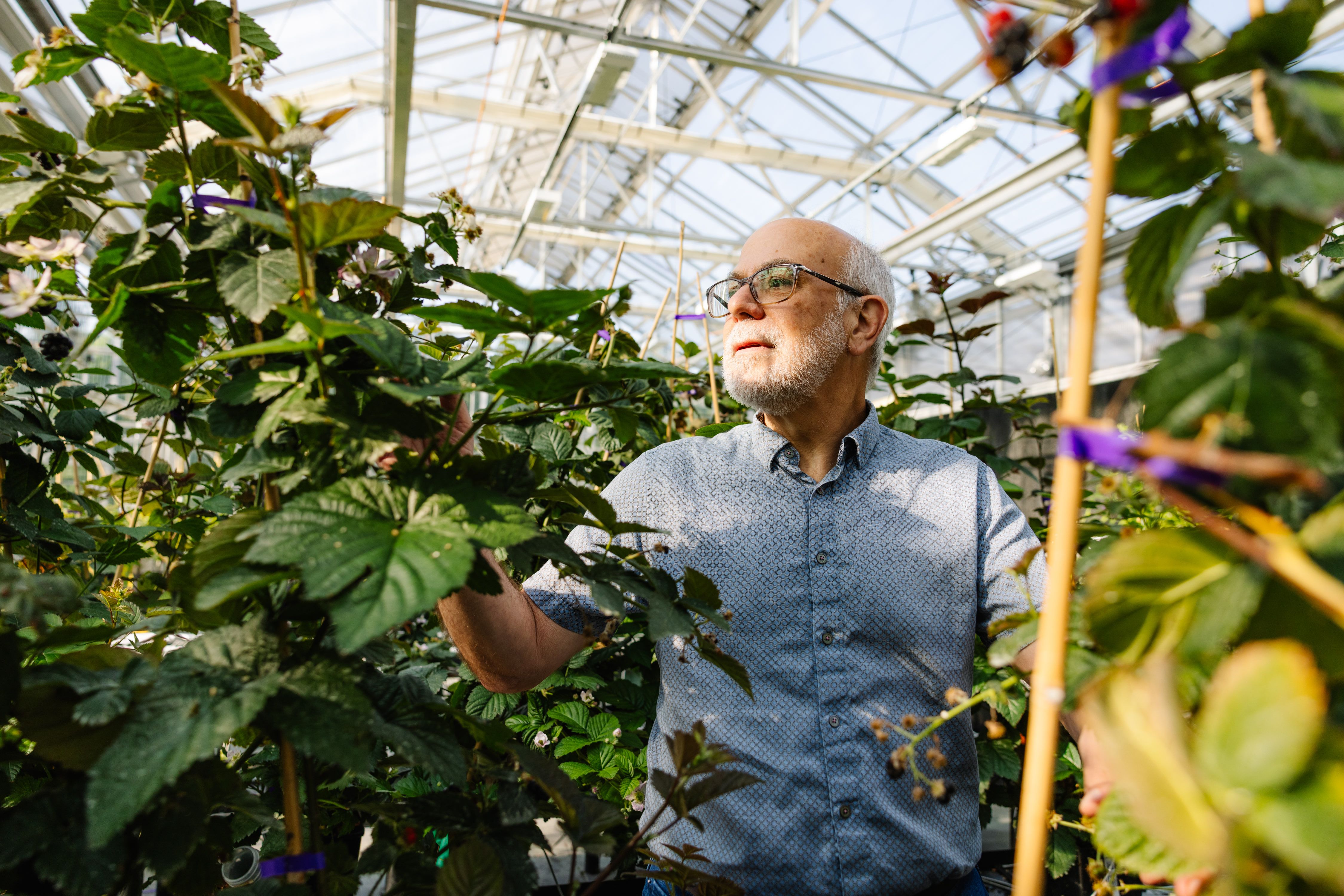
A North Carolina startup, Pairwise, is utilizing gene-editing technology called Crispr to create seedless, thornless, and higher-yielding blackberry plants. This technology promises to speed up the breeding process, allowing for multiple problems to be solved simultaneously in a fraction of the time it usually takes. Their blackberry variety, while not yet commercially available in the US, could be a sign of a new agricultural revolution in the years to come.
Pairwise is also working on peaches without pits, row crops resistant to diseases, and fruit and nut trees with shorter growth cycles. The company has received over 50 regulatory approvals for five edited crops in nine countries, but their only product on the market is a high-yielding blackberry in Colombia. Despite some initial skepticism due to the unpopularity of GMOs, Crispr technology faces fewer regulatory hurdles and public resistance.
With the world facing a growing population and mounting environmental crises, researchers hope that gene editing will help produce healthier, more abundant food with less land use, chemical use, and greenhouse gas emissions. Pairwise has raised over $160 million and is partnering with major agribusinesses and research institutions to develop a wide range of customized crops.
The potential of Crispr to transform food production in unexpected ways is evident, as seen in their first Crispr product, a less bitter mustard green.
Written by urgent.news from Wired Science's reporting — not their text. Machine-written — may contain errors; check the original before relying on it.
This story
This is one outlet's version. Read the fullest account.