Robots Could Build Massive Metamaterial Radars in Orbit
Tracking the debris orbiting at high velocity in space is only going to get harder over time. We have ground-based radar systems, such as the Space Fence, designed to detect pieces down to around 10 cm. But finding objects smaller than that, which can still cause a lot of damage traveling at 17,000 miles per hour, requires completely new thinking. One potential solution is a new idea from Dr.…
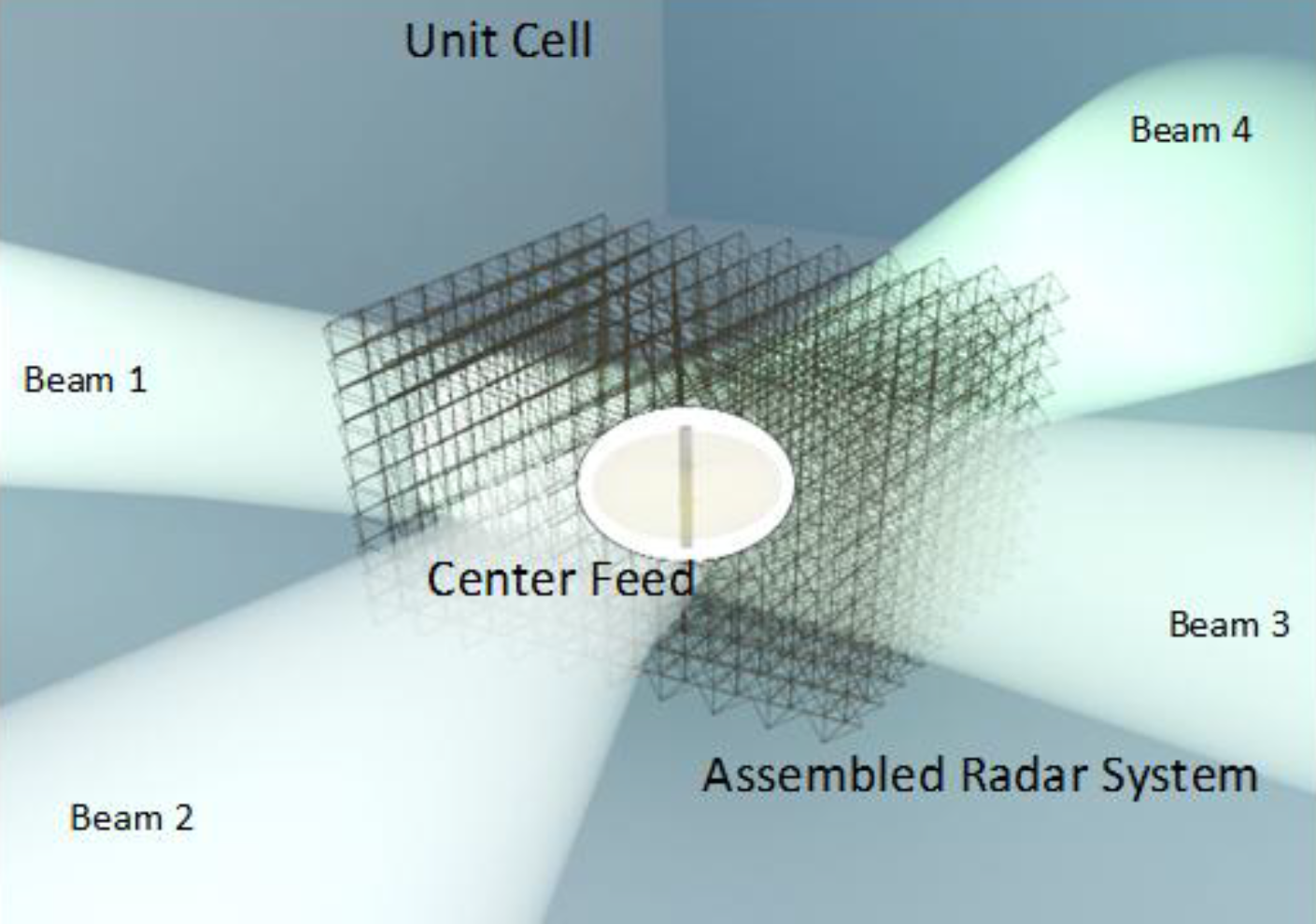
The growing problem of space debris poses challenges for tracking and avoiding collisions. Traditional radar systems have limitations, being unable to detect objects smaller than 10 cm traveling at high speeds. Dr. David Smith from Duke University proposes a novel solution to this issue through NASA's NIAC Phase I grant. Instead of building a traditional large antenna within the fairing of a rocket, Smith suggests constructing it in space using modular pieces.
This approach would theoretically create an infinitely large antenna by combining the modular units, akin to advanced Lego bricks.
The key concept behind this idea is the use of electromagnetic metamaterials. These artificially created materials can manipulate electromagnetic waves in ways that natural materials cannot, effectively acting like a programmable lens for radar waves. Each individual "unit cell" of the metamaterial can function as a separate antenna, but collectively, they form a larger, more comprehensive structure.
To assemble these units, NASA's Automated Reconfigurable Mission Adaptive Digital Assembly Systems (ARMADAS) comes into play. This project involves inchworm-like robots crawling around a structure, snapping geometric blocks called voxels together to build the metamaterial antenna. The robots' modular design allows them to assemble the antenna in a three-dimensional shape, offering flexibility in size and volume.
One significant advantage of this system is its omnidirectionality. The metamaterials can be designed to allow the radar to sweep its massive field of view across any section of the sky without the need for moving parts, which tend to break down in the harsh space environment. This capability is made possible by the ability of the voxels to be assembled in a three-dimensional shape, removing any constraints on the shape or volume that the ARMADAS robots could construct using the fundamental building blocks.
However, the proposal does not delve into the potential vulnerabilities of this system. How easily could an internal voxel be replaced if struck by a piece of debris? Would the entire structure collapse if one link in the chain was broken? These practical questions are left to be explored as the NIAC Phase I grant focuses on investigating the feasibility of seemingly fantastical ideas.
Despite its innovative nature, it remains to be seen if this robotically assembled electromagnetic metamaterial in space will become a reality.
Written by urgent.news from Universe Today's reporting — not their text. Machine-written — may contain errors; check the original before relying on it.