Road ministry revises model concession agreement for BOT projects
Some of the key provisions introduced in the revised model concession agreement (MCA) include the buyback option, revenue support to concessionaires and traffic-risk sharing between the concessionaire and the government, making build-operate-transfer (BOT) projects more bankable, risk-free and attractive for the private sector.
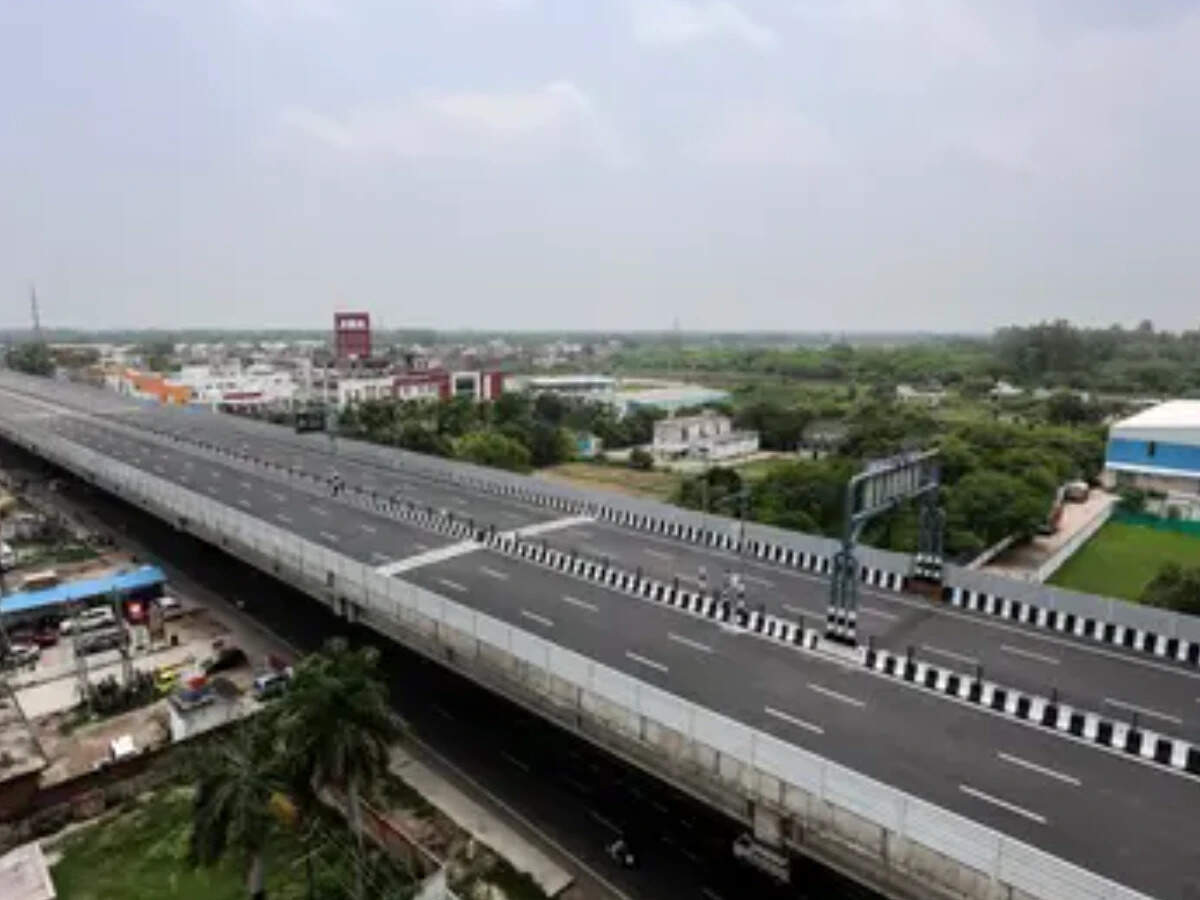
The Ministry of Road Transport and Highways in India has streamlined the model concession agreement for build-operate-transfer (BOT) projects to encourage greater private-sector involvement in national highway development. Key provisions include a buyback option, revenue support for concessionaires, and traffic-risk sharing between the government and concessionaires. These changes aim to make BOT projects more attractive to private investors.
The revised Model Concession Agreement (MCA) was developed following recommendations from an inter-ministerial committee addressing challenges faced by stakeholders in BOT projects. Experts believe the updates will provide revenue support to concessionaires if traffic falls below 10% of the target for the first seven target dates, offering early-stage cash-flow protection.
Additionally, the MCA provides a clear exit mechanism for successful assets, with the government buying back projects if traffic reaches design capacity for two consecutive years within three years.
Jagannarayan Padmanabhan, senior director and global head at Crisil Intelligence, stated that the revised BOT MCA significantly improves risk-return propositions for private developers by cushioning initial traffic downside, providing longer-term protection, and creating a clear exit for successful projects. Kuljit Singh, partner and national infrastructure leader at EY India, added that the provision for multiple traffic triggers offers greater protection against traffic variations, making BOT projects less risky and providing protection against traffic diversion due to competing roads.
The National Highways Authority of India (NHAI) plans to award 54 projects with a total capital cost of Rs 1,80,017 crore, spanning 2,442 km, in 2026-27. Of these, seven projects will be awarded under the BOT model, while 26 will be awarded under the EPC mode and 21 under the hybrid annuity model, as the earlier MCA saw a muted response from private investors.
Written by urgent.news from The Economic Times - Economy's reporting — not their text. Machine-written — may contain errors; check the original before relying on it.