Qatar: Israel stalling on Gaza accord
Qatar has called on the international community to press Israel into implementing the second phase of the Gaza ceasefire, saying its rejection of the peace plan is a continuation of the foot-dragging ...
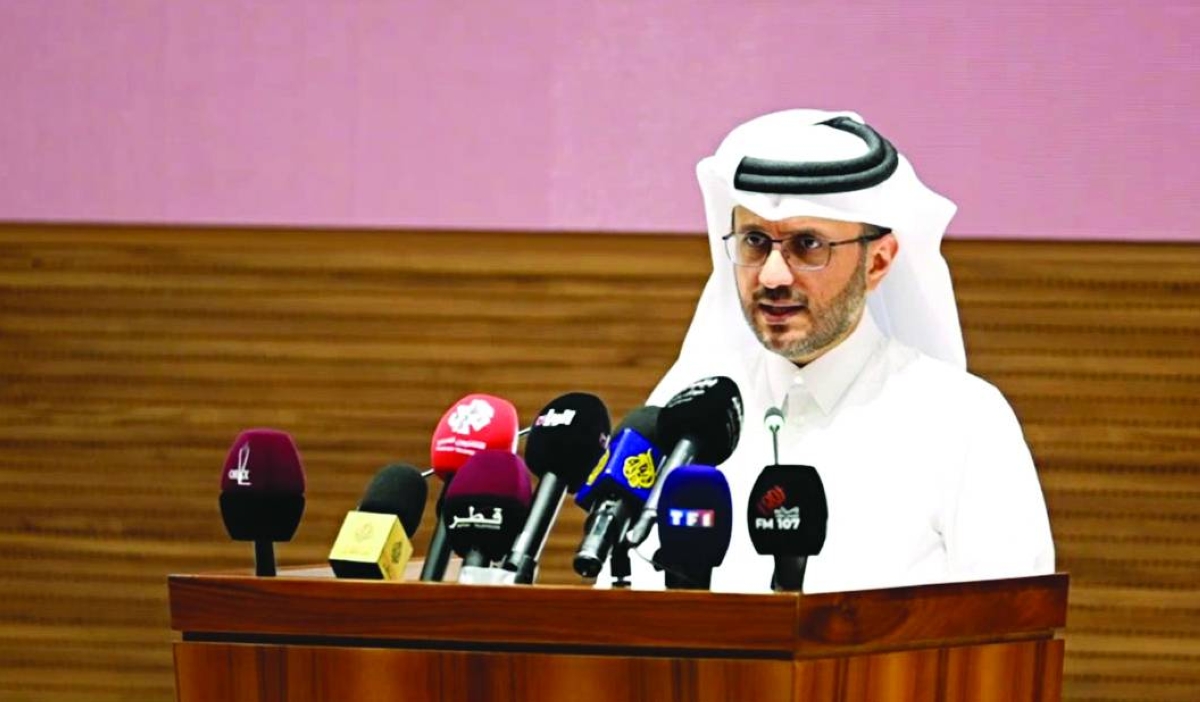
Qatar is urging the global community to compel Israel to commence the second phase of the Gaza ceasefire, asserting that the Israeli government's rejection of the peace plan signifies continued delay since the agreement's inception. Dr Majed bin Mohammed al-Ansari, the advisor to the Prime Minister and Foreign Ministry spokesman, stated that the recent Hamas declaration has paved the way for progress, and the onus now lies with Israel to honor its commitments.
Doha remains in collaboration with international allies to facilitate the transition to the subsequent phase, as per the plan unveiled by the US president, with mediation efforts running concurrently with those of the United States, Egypt, and Turkiye. Al-Ansari highlighted the persistent escalation in Gaza and the West Bank, citing an increase in casualties and relentless assaults on schools, civilian facilities, hospitals, and residences.
He emphasized the significance of the international community adopting a firm stance and reaffirmed Qatar's commitment to regional partnerships in crafting a response commensurate with Israeli actions. Qatar supports all measures undertaken by friendly nations, either individually or collectively, recalling the joint statement issued by the foreign ministers of Qatar, Jordan, the UAE, Indonesia, Pakistan, Turkiye, Saudi Arabia, and Egypt regarding persistent Israeli violations in Gaza.
Concrete steps will be unveiled in the coming days, according to al-Ansari. During Oman's visit to Qatar, discussions centered on the current juncture in US-Iran negotiations, and al-Ansari commended Oman's efforts, reiterating Qatar's backing for de-escalation. The key prerequisite at this stage is the reinstatement of unimpeded passage through the Strait of Hormuz in accordance with international norms.
When queried on the repercussions of US economic pressure on Iran and its bearing on de-escalation, al-Ansari underscored that the prevailing priority is the reopening of the Strait and fostering dialogue among pertinent parties, as talks among stakeholders continue. Any delay in reaching an agreement is detrimental to stability, he contended, and Qatar, as a participant in mediation, desires the Strait to be reopened promptly, while reserving official commentary on negotiations for the involved parties.
Concerning the Gulf's perspective on Iranian remarks about the Strait, al-Ansari interpreted it as an appeal to restore conditions prior to the crisis, stressing the paramount importance of ensuring freedom of maritime navigation. Qatar's support for regional understandings would bolster security and stability in the Gulf, as any future arrangements on managing the Strait or related issues should be rooted in regional consensus and unwavering adherence to international law to safeguard the region's security and stability.
Lastly, al-Ansari endorsed the Makkah joint defense pact between Saudi Arabia, Turkiye, and Pakistan, welcoming any regional cooperation that bolsters security and stability. He acknowledged Qatar's robust strategic bonds with the three nations and expressed positive views on any defense framework grounded in cooperation and amicable relations, emphasizing that collective security necessitates continuous bilateral and regional coordination through various regional forums in which Qatar participates.
Written by urgent.news from Gulf Times's reporting — not their text. Machine-written — may contain errors; check the original before relying on it.