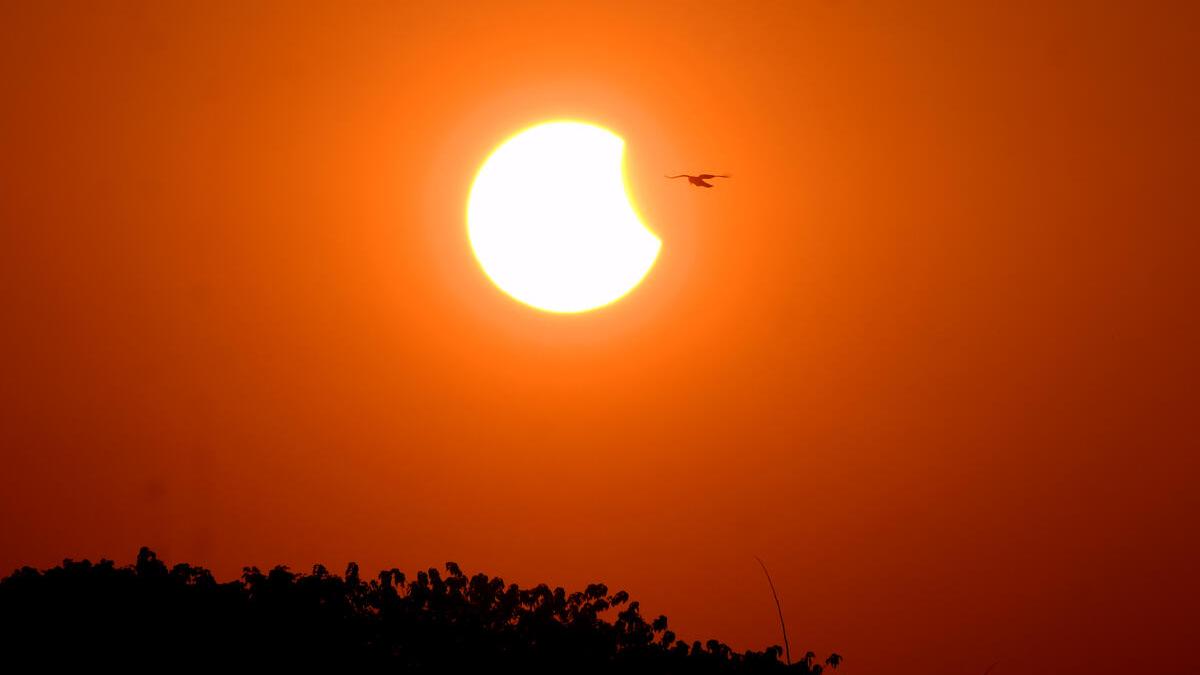
Perseid Meteor Shower Peaks Aug 12-13 in US: When and How to Watch
The 2026 Perseid meteor shower peaks August 12-13 in the U.S. Discover the best times, viewing directions, and tips to watch the event.
The annual Perseid meteor shower is set to reach its peak this August, offering stargazers in the United States a rare viewing opportunity. This year’s event is particularly favorable as the moon will be in its new moon phase, providing clear skies and fewer distractions.
According to the American Meteor Society, the Perseid shower began on July 17 and will continue through August 24. The best time to watch the meteors is between the night of August 12 and the early morning hours of August 13. While a few meteors may still be visible on August 14, activity will decrease sharply once the peak is over.
To watch the Perseid meteor shower, experts suggest looking towards the east-northeast horizon. No special equipment is needed, just an open space away from city lights. Stargazers should give their eyes about 20 to 30 minutes to adjust to the darkness.
Meteor showers occur each year when Earth passes through trails of cosmic debris left behind by comets or asteroids. In the case of the Perseids, the meteors are derived from dust particles shed by Comet 109P/Swift-Tuttle. When these space rocks burn up in Earth’s atmosphere, they create bright streaks of light commonly referred to as shooting stars.
For those who might miss the August peak, the next significant celestial event will be the Orionid meteor shower, which will become active on October 2 and peak on October 23.
Written by urgent.news from Tempo.co English's reporting — not their text. Machine-written — may contain errors; check the original before relying on it.