Ozempic Teeth, Muscle Loss: Some of the Buzziest GLP-1 Side Effects
(MedPage Today) -- GLP-1 drugs, used for type 2 diabetes and weight loss, have been touted for their many benefits, but it's their side effects that often make headlines, especially those with compelling monikers like "Ozempic teeth." Here, we...
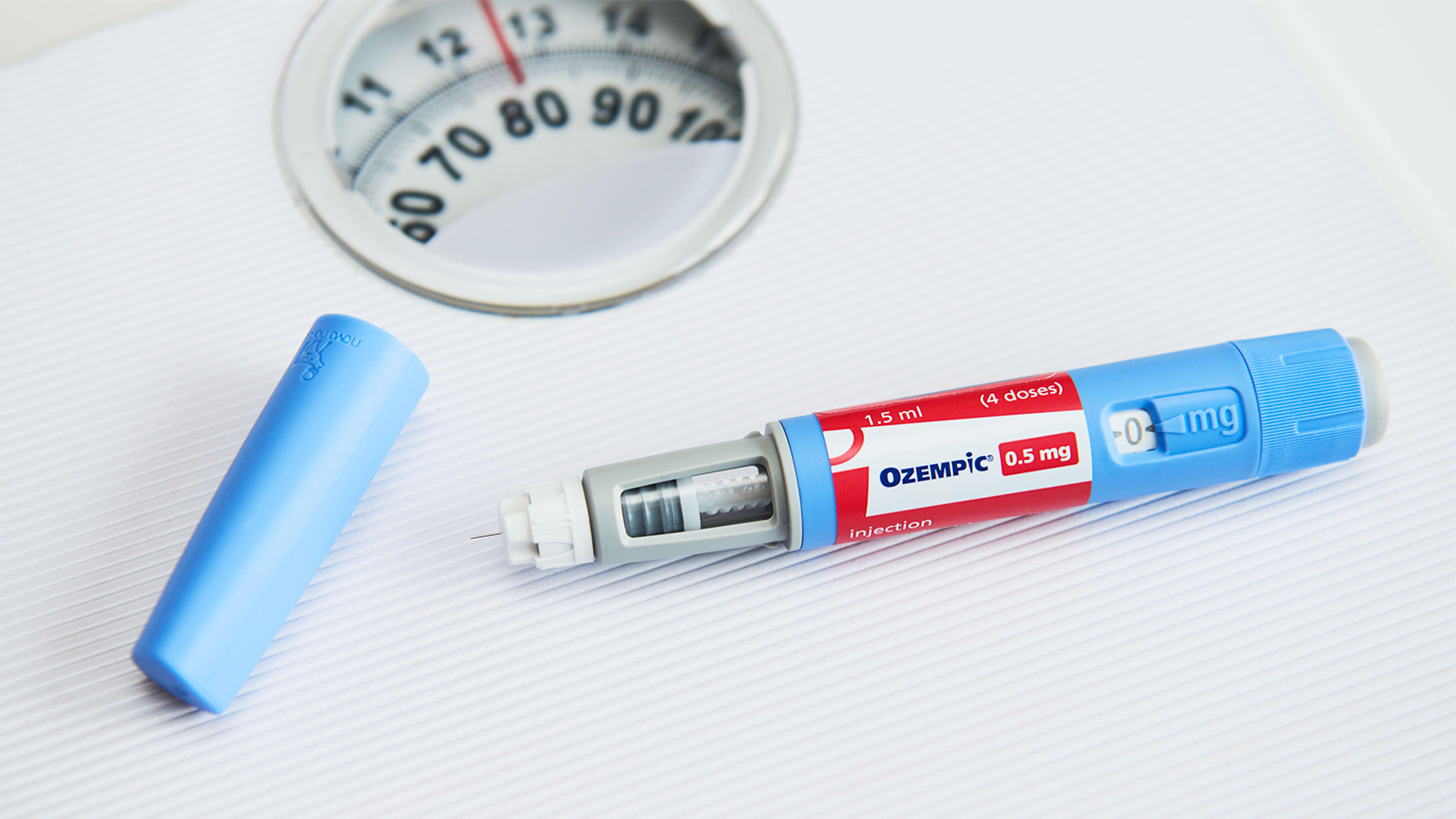
GLP-1 drugs, utilized for managing type 2 diabetes and facilitating weight loss, have garnered attention for their various side effects. Among the most frequently discussed are Ozempic teeth, muscle loss, and other notable issues. Common adverse effects include nausea, vomiting, and diarrhea, which have been consistently reported since the initial FDA approvals for diabetes management. These symptoms often result from the drugs' impact on gastrointestinal function.
Muscle mass reduction is another concern, with studies indicating that patients may experience a loss of lean muscle tissue while on GLP-1 therapy. To mitigate this, some experts recommend incorporating higher protein intake into the diet. Oral health complications are also commonly reported, encompassing issues like dry mouth, tooth sensitivity, and gum inflammation. These problems are believed to stem from the dehydrating effects of the medications.
Patients have also noted emotional flattening, a condition wherein they experience a diminished response to various sources of pleasure, such as reading, music, dancing, or even intimate activities. Additionally, some individuals have reported experiencing hair loss, a side effect more commonly observed in women than men.
Rare but serious side effects include the risk of blindness due to a condition known as non-arteritic anterior ischemic optic neuropathy (NAION), which is caused by reduced blood flow to the optic nerve head. This condition has been estimated to affect up to 1 in 10,000 individuals on GLP-1 drugs. Other eye-related complications have also been observed, such as neovascular age-related macular degeneration and diabetic retinopathy.
Gallbladder issues are another potential risk associated with GLP-1 agonists, including the development of gallstones and cholecystitis, although the absolute risk remains relatively low. There is also a warning from the FDA regarding pulmonary aspiration during general anesthesia or deep sedation, following rare postmarketing reports of the issue in patients undergoing surgical procedures.
Further concerns include the potential for thyroid tumors, with a boxed warning issued for GLP-1 drugs due to a known association with thyroid C-cell tumors. Lastly, GLP-1 drugs may interfere with certain medical scans, particularly cancer PET-CT scans, potentially leading to inaccurate interpretations of the results.
Written by urgent.news from MedPage Today's reporting — not their text. Machine-written — may contain errors; check the original before relying on it.