Oil prices rise, Asia stocks drift amid US-Iran stalemate
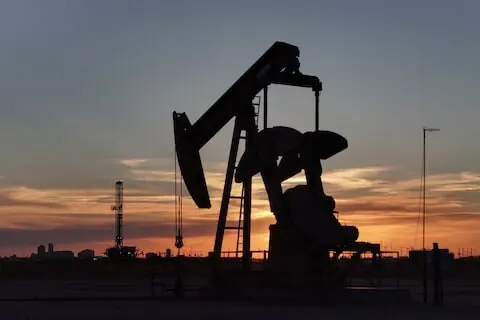
Brent crude futures edged up to hit US$88 per barrel and US crude futures ticked up to US$82.45, both the highest levels since Jul 31, after the contracts rallied roughly 5 per cent on Monday.
Oil prices climbed on Tuesday, August 11, as talks between the US and Iran over a peace deal and the reopening of the Strait of Hormuz reached a stalemate. Asian stocks, however, remained relatively stable amid uncertainty surrounding global inflation forecasts. US President Donald Trump proposed his own conditions for a peace deal, demanding Iran compensate victims of past conflicts and protests. This exchange of demands may prolong efforts to restore the strategic waterway.
Market analysts describe the current situation as a "Mexican standoff," with uncertainty about which party will yield first. Brent crude futures surged to US$88.09 per barrel and US crude futures reached US$82.52, both the highest levels since July 31, marking a 5% increase from Monday's trading. Tony Sycamore, a market analyst, predicts a prolonged period of attrition as the market hovers between US$75 and US$95.
The recent fuel cost surge intensifies concerns for the upcoming US July consumer price report, expected to show a 0.1% rise in the headline figure and 0.2% in the core measure. A positive surprise in the report could reignite speculation of a Federal Reserve rate hike next month. Capital Economics' chief economist, Jonas Goltermann, suggests the odds favor a hot print, potentially triggering higher interest rates and renewed stagflation worries.
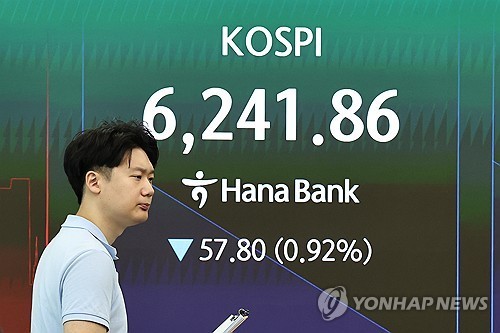
The US economy is currently experiencing a "hot" phase, indicating the need for increased interest rates. Australia's central bank maintained its cash rate at 4.35% during a recent meeting, acknowledging economic slowdown but hinting at potential future hikes. Meanwhile, Asian shares exhibited mixed performance, with MSCI's Asia-Pacific index rising 0.36% and South Korea's KOSPI climbing 1.3%. Wall Street also recovered, with the Nasdaq and S&P 500 futures both increasing by 0.34% and 0.13%, respectively.
Nvidia has partnered with six major financial institutions to launch compute financing platforms, aiming to raise over US$500 billion in third-party capital for AI infrastructure. This move highlights the growing investment in artificial intelligence, reminiscent of the subprime mortgage boom that contributed to the 2008 financial crisis, as noted by IG's Tony Sycamore.
Hong Kong's Hang Seng Index fell 0.6%, while China's CSI300 index dropped 0.05%. The Japanese yen is under scrutiny following suspected intervention attempts by Japan and the US. USD/JPY is expected to remain above 160 for the time being, but traders remain cautious about potential dips. The US dollar showed a slight boost from the rising oil prices, causing the euro to miss a one-month high at US$1.1541, while the British pound weakened from its recent peak. Gold prices increased by 0.33% to US$4,402.52 per ounce.
Written by urgent.news from CNA - Business's reporting — not their text. Machine-written — may contain errors; check the original before relying on it.
This story
This is one outlet's version. Read the fullest account.
- Oil prices rise, Asia stocks drift amid US-Iran stalemate brecorder.com
- Oil prices rise, Asia stocks drift amid US-Iran stalemate channelnewsasia.com