Oil disruptions from Iran war to continue through next year, US says
The US anticipates oil disruptions from the Iran war to reach 600,000 barrels per day until the end of next year as conflict in the Strait of Hormuz constrains supplies. Oil carried through the strait averaged 4.9 million bpd in the second quarter this year, well below the 21.6 million bpd in the last three months of 2025, the Energy Information Administration said in its latest short-term energy…
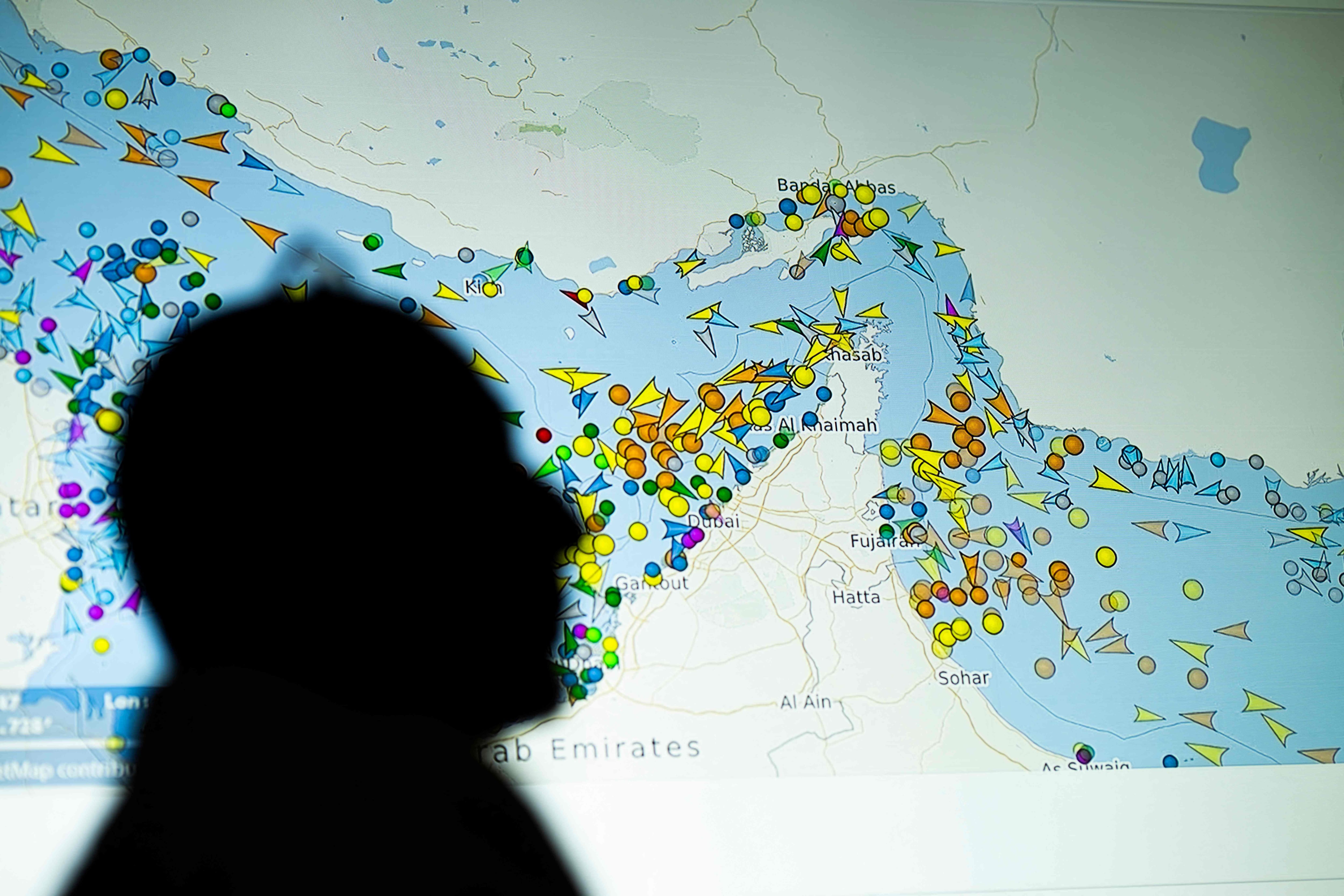
The United States foresees oil disruptions stemming from the Iran conflict persisting through the subsequent year, as conflict in the Strait of Hormuz hampers supply. During the second quarter of the current year, oil transported through the strait averaged approximately 4.9 million barrels per day (bpd), a stark contrast to the 21.6 million bpd recorded in the final three months of 2025, according to the Energy Information Administration (EIA).
The EIA's latest projection anticipates production shut-ins in the region to average 5.5 million bpd in the most recent month. The EIA projects oil flows will gradually rise in September, leading to an increase in its forecast of blocked production in August. It does not factor in more blocked supply arising from recent blockade threats in the Bab Al Mandeb strait.
"If these assumptions hold, we expect it will take until early 2027 for production and trade patterns to generally return to pre-conflict status," the agency reported. Talks between the US and Iran to reopen the Strait of Hormuz, the bottleneck housing 20 percent of global energy supplies before the conflict commenced, remain stalled.
President Donald Trump has recently demanded Iran compensate for losses and damages resulting from the war, to which Tehran responded by asserting the strait would remain closed unless the US removes its sanctions. Earlier on Tuesday, US Energy Secretary Chris Wright revealed around 9 million barrels of oil traversed the waterway last week.
He added in a post on X that total oil flows currently average about 15 million bpd, including the 5 million to 7 million bpd exiting the region via newly enhanced pipelines and export facilities. The EIA also highlighted a surge in activity in the Bab Al Mandeb strait as Saudi Arabia rerouted its crude oil shipments away from the Strait of Hormuz through the East-West pipeline.
The EIA noted total oil flows through Bal Al Mandeb averaged 8.1 million bpd during the April-June period, up from an average of 5.4 million bpd in the fourth quarter of 2025. The EIA cautioned that threats from Yemen's Houthi rebels seeking to impose a blockade on Saudi oil exports through the Bab Al Mandeb have sparked a surge in oil prices, which spiked to $105 a barrel on July 23.
On Tuesday, Brent crude was trading 1.07 percent higher at $88.66 a barrel, while West Texas Intermediate was up 1.06 percent at $83 a barrel. "Given the substantial drawdown in global inventories triggered by ongoing disruptions in the Strait of Hormuz, we forecast that oil prices will remain elevated until global oil flows return to normal and oil inventories are replenished," the EIA asserted.
Brent crude oil's spot price is projected to average around $85 a barrel this quarter, a $11 increase from the EIA's previous estimate. The agency expects Brent prices to average $86 a barrel this year, gradually falling to $69 a barrel next year, provided a significant portion of blocked oil production is restored by the first quarter.
Written by urgent.news from The National Business's reporting — not their text. Machine-written — may contain errors; check the original before relying on it.
This story
This is one outlet's version. Read the fullest account.
- Oil disruptions from Iran war to continue through next year, US says thenationalnews.com