Monsoon can make these 6 iconic Indian treks extremely risky
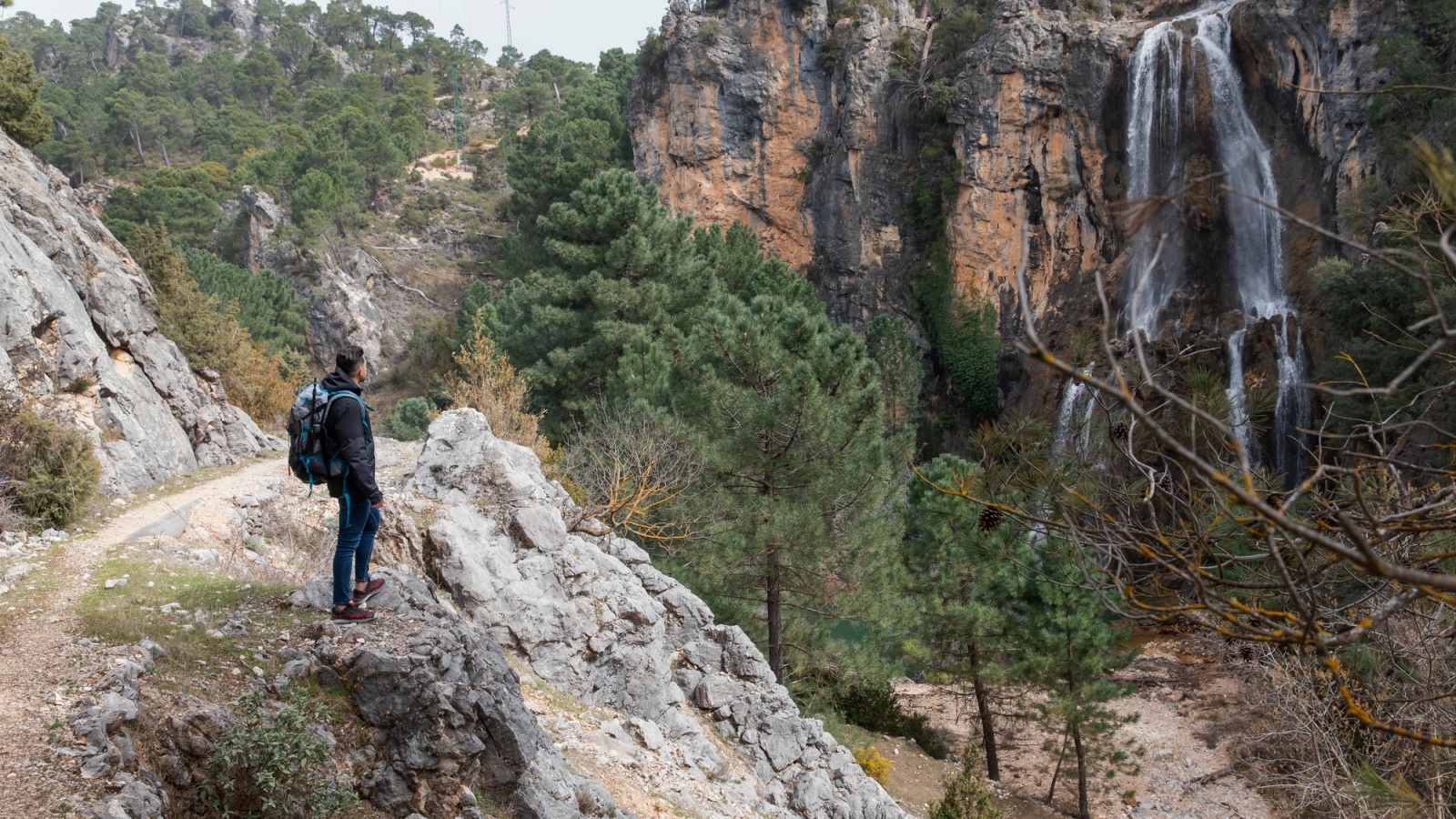
The monsoon season can turn popular Indian treks into perilous adventures. From June to September, heavy rainfall heightens risks across high-altitude routes. Six iconic hikes are especially unsafe during this period.
The Hampta Pass trek in Himachal Pradesh becomes treacherous with overflowing streams and muddy paths. Landslides on approach roads can halt expeditions. Opt for treks between mid-June and early July when conditions improve.
Uttarakhand's Valley of Flowers, though blooming beautifully in the rain, demands caution. Steep mountain roads turn into slippery inclines. Swollen rivers add to the challenge, with authorities sometimes suspending access.
Jammu & Kashmir's Kashmir Great Lakes trek, praised for its stunning alpine beauty, can turn slippery and dangerous in monsoon weather. Heavy rain makes grassy slopes treacherous, while dense fog further complicates navigation.
Uttarakhand's Roopkund Trek, famous for its mysterious skeletal lake, sees increased landslide and rockfall risks during heavy rain. Dense fog reduces visibility on exposed mountain sections. Always verify current access regulations.
West Bengal's Sandakphu Trek, showcasing the Himalayas, turns muddy and infested with leeches when monsoon rains fall. Trails become slippery and cloud cover obscures the spectacular mountain views. Plan this trek during autumn or spring for the best experience.
Himachal Pradesh's Pin Parvati Pass Trek, regarded as one of the toughest Himalayan expeditions, becomes even riskier in the monsoon. Glacier crossings and swollen rivers are common, with landslides and rockfalls posing serious threats. Attempt this trek only under safe weather conditions with an experienced guide.
Written by urgent.news from The Indian Express's reporting — not their text. Machine-written — may contain errors; check the original before relying on it.
Also reported by 1 other outlet
- Monsoon can make these 6 iconic Indian treks extremely risky indianexpress.com