Luigi Mangione back in court as key questions remain over case ahead of murder trial
Mangione's lawyers have yet to signal their defence, while prosecutors are in a battle over evidence.
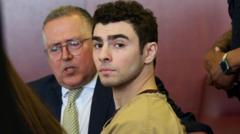
A New York judge ruled on Tuesday that the jury in the trial of Luigi Mangione will remain anonymous, amid intense public scrutiny of the case. Mangione, 28, has pleaded not guilty to the murder of UnitedHealthcare CEO Brian Thompson in December 2024 outside a Manhattan hotel. The case has sparked online debates between Mangione's supporters, who view him as a symbol of backlash against US healthcare costs, and critics analyzing his intentions and possible political views.
Tuesday's hearing saw Judge Gregory Carro decide the 12-person jury would be anonymous to the public due to the case's high visibility. Mangione appeared at the final pre-trial hearing in a charcoal grey suit, sitting silently at the defense table as his attorneys discussed with the judge. The trial is set to begin next month, with jury selection starting on 8 September. If found guilty, Mangione could face decades in prison and has also pleaded not guilty to a separate federal trial next year.
The court has faced scrutiny over public access, with seating often limited for high-profile cases. Mangione's trial is expected to generate significant media interest from traditional journalists, streamers, and social media influencers. The judge has opened an overflow room to accommodate more spectators, rebuking prosecutors for raising security concerns.
A crucial aspect of the case was decided in a multi-day hearing in December, where the judge ruled which evidence prosecutors could present during trial. Mangione's team sought to exclude evidence recovered from his Pennsylvania arrest, alleging improper seizure and questioning. The judge allowed evidence such as a gun and notebook with purported writings, which the prosecution views as vital.
However, Mangione's legal team has yet to present their full strategy, and has previously proposed an argument for the "extreme emotional disturbance" defense, allowing for a manslaughter charge instead of second-degree murder.
Written by urgent.news from BBC World's reporting — not their text. Machine-written — may contain errors; check the original before relying on it.