Lebanon parliament votes to abolish death penalty
Lebanon's parliament has voted to abolish the death penalty, a move that would make it the first country inthe Middle East to formally end capital punishment.
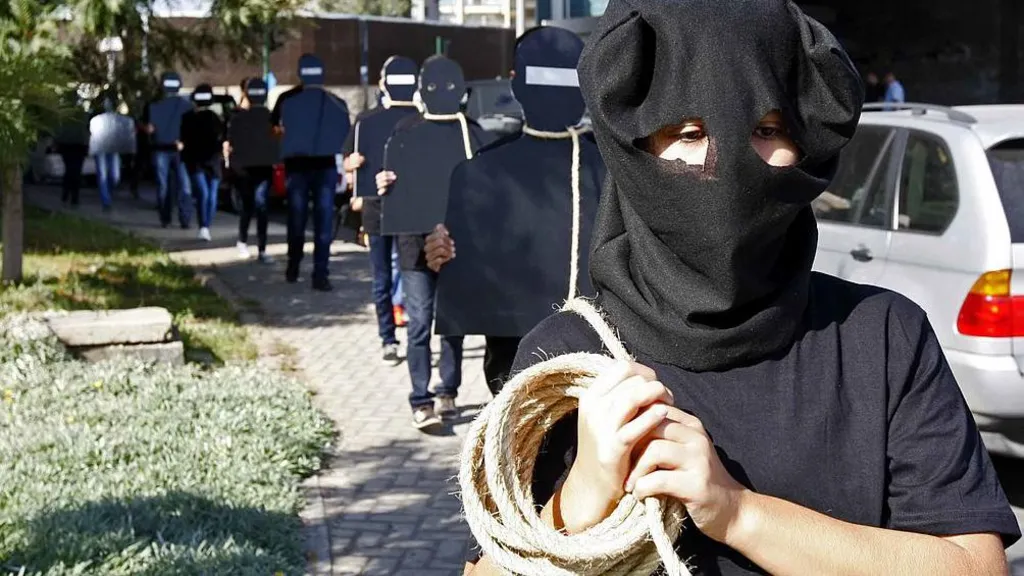
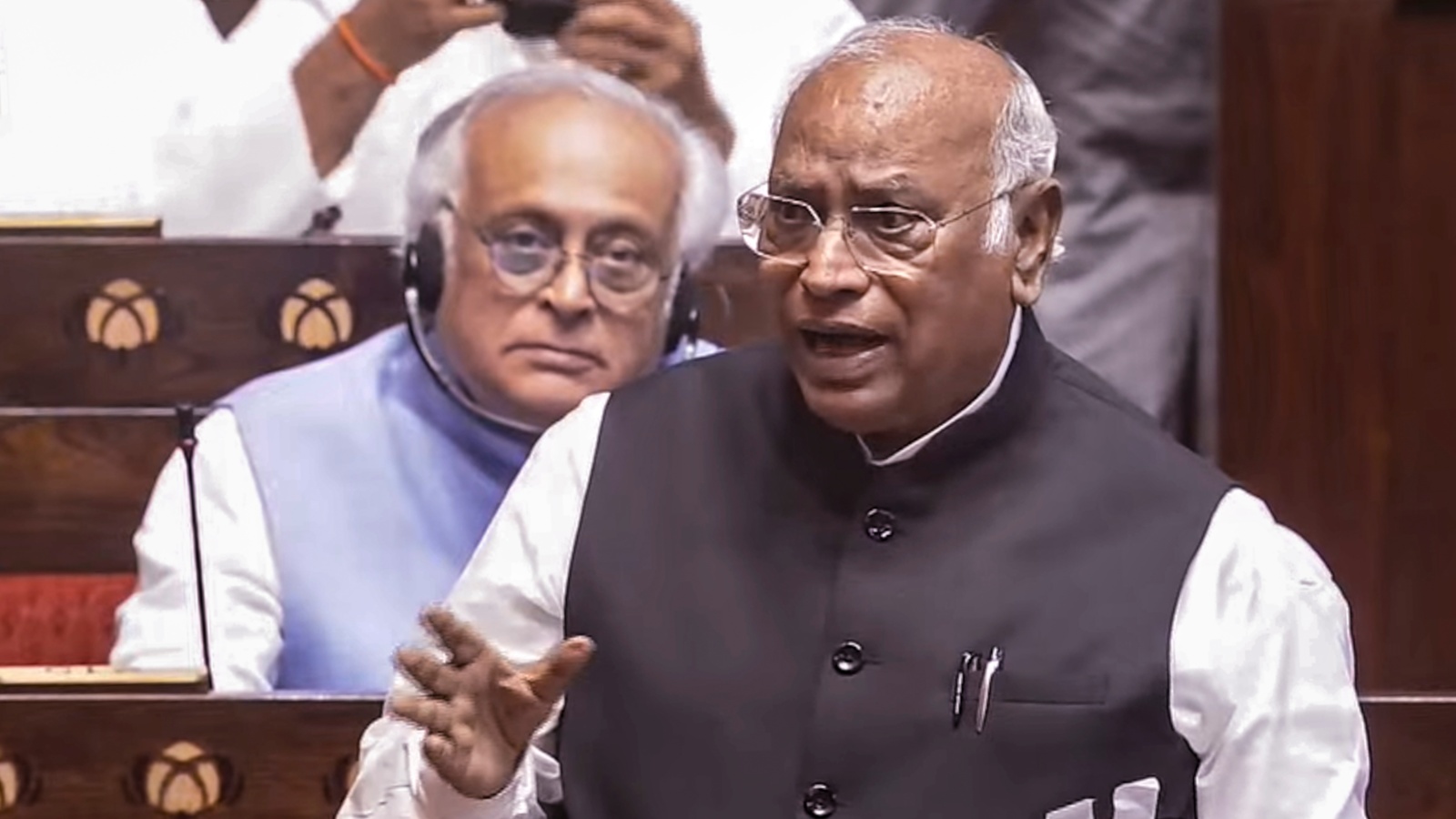
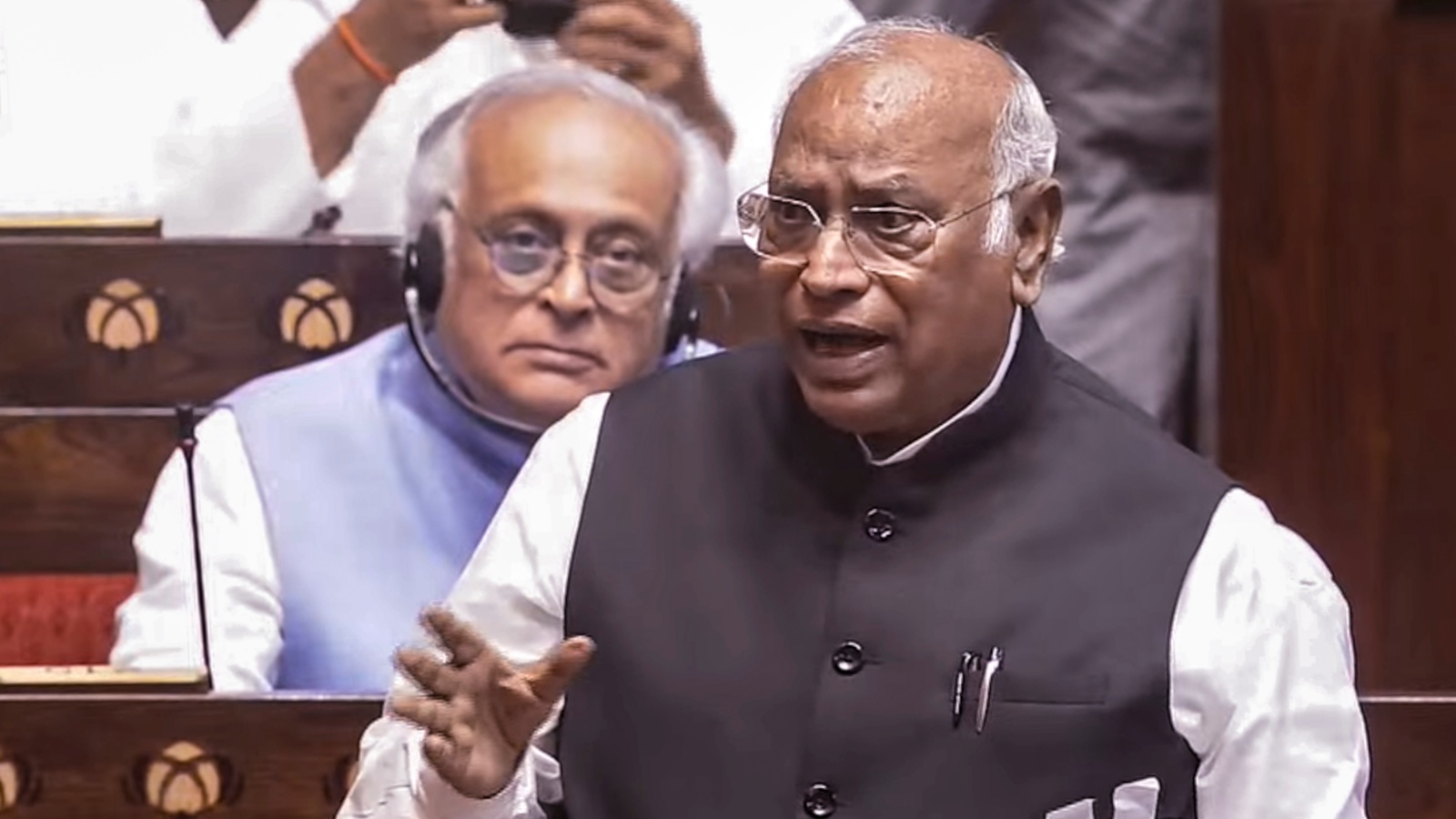
Lebanon's parliament has voted to abolish the death penalty, marking the country as the first in the Middle East to formally end capital punishment. A majority of MPs in the 128-seat parliament supported the measure, with Hezbollah's parliamentary bloc voting against it. The legislation will now proceed to the cabinet before being signed by President Joseph Aoun.
Lebanon has not carried out an execution since January 2004, despite courts still issuing death sentences. Rights groups estimate that over 78 individuals remain on death row. The new legislation replaces capital punishment with life imprisonment with hard labor, though the exact enforcement details are still unclear. Hard labor has been a part of Lebanese law for years but seldom implemented.
The move follows years of advocacy by civil society groups and lawyers for the removal of capital punishment from Lebanese law. Oragit Younan, co-founder of the Lebanese Association for Civil Rights and a long-time campaigner, emphasized that "we cannot solve a crime with a crime or end violence with violence." She sees the abolition as a victory for human rights and a chance to set an example for others.
This vote comes after a de facto moratorium on executions that lasted more than two decades, with no execution decree signed since 2004. The law previously permitted the death penalty for serious offenses like aggravated murder, terrorism-related crimes, treason, espionage, and offenses against state security. Previous attempts to abolish the death penalty had failed before.
Lebanon's decision arrives as the use of the death penalty remains a contentious issue in the Middle East. Jordan recently resumed executions in June, executing its first since 2017. Israel's parliament has also approved legislation allowing for the expansion of capital punishment circumstances. Meanwhile, the UN human rights chief has expressed concern over Iran's increasing executions, citing the use of capital punishment to suppress dissent.
Written by urgent.news from MyJoyOnline Ghana's reporting — not their text. Machine-written — may contain errors; check the original before relying on it.