KLIA security: Someone, somewhere is failing to do their job
KUALA LUMPUR: There used to be a time when you could arrive at the airport just minutes before a flight and breeze through a relatively hassle-free process of boarding a plane.
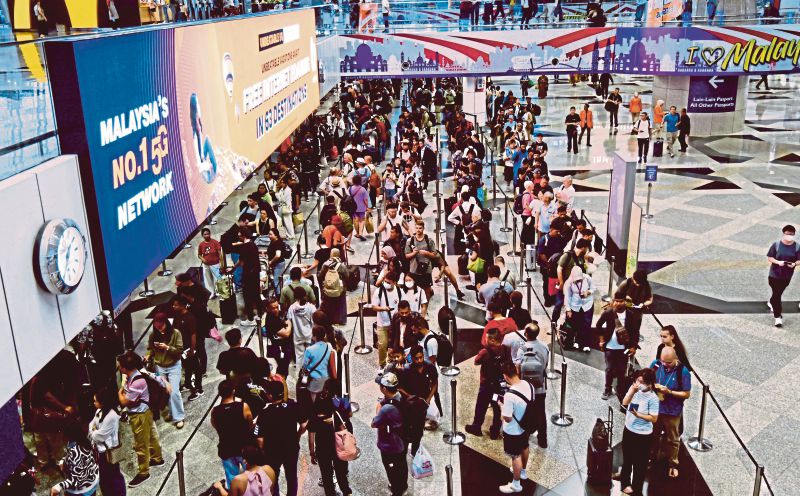
Kuala Lumpur International Airport (KLIA) once offered a swift and stress-free travel experience. Passengers could breeze through security with minimal hassle, undergoing brief checks by personnel wielding metal detector wands. However, heightened security measures following 9/11 attacks have transformed airport travel. Today, travelers face stringent checks that often lead to unwarranted suspicion.
A simple oversight, such as leaving electronic devices in luggage, can trigger lengthy interrogations. Even innocent items like toothpaste tubes and bottled water can attract unwanted attention. Despite these increased security protocols, smugglers continue to find ways to bypass detection. Live animals, snakes, turtles, and baby crocodiles have been discovered among the contraband at foreign airports, having entered via KLIA.
The revelation that a pilot was arrested with ecstasy pills in Jakarta has sparked concerns about the effectiveness of current security protocols. Authorities have pledged to bolster security, but critics question whether the real issues lie with ineffective enforcement and lax oversight of airport personnel. It is time to scrutinize the people responsible for maintaining airport security, rather than solely focusing on the machinery.
The persistent failure of smugglers to be detected at KLIA indicates that the problem may not be with the security systems, but rather with the individuals tasked with enforcing them.
Written by urgent.news from New Straits Times's reporting — not their text. Machine-written — may contain errors; check the original before relying on it.