Keep education funds in education
Separating the free meals program from the education budget is an important first step. However, the bigger test now is whether the government will genuinely commit to using the constitutionally mandated 20 percent education allocation to address the country’s perennial education challenges.
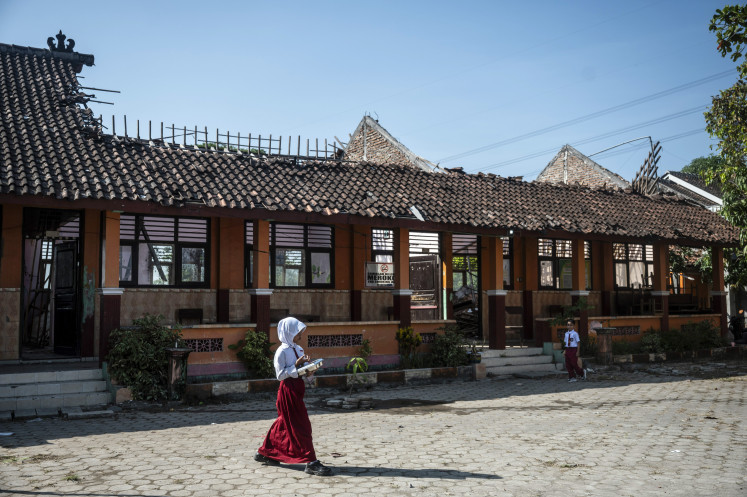
The government's decision to keep education funds within the education budget, rather than separating them from social programs like free meal initiatives, has sparked debate. The Constitutional Court's ruling that excluded the free nutritious meal program from the state budget's education allocation is seen as a positive step. President Prabowo Subianto announced the most substantial education allocation in the country's history, amounting to Rp 769 trillion (US$43.1 billion) for the 2026 fiscal year.
However, nearly 30 percent of this sum, or Rp 223.5 trillion, was designated for the free meals program. The government justifies this allocation by arguing that improved nutrition can enhance children's learning capabilities. While this claim has merit, critics argue that such a significant portion of the education budget could potentially jeopardize other crucial priorities.
Some teachers in the country earn considerably less than those working in free meals kitchens, which can be six to seven times higher than some teacher salaries. This stark contrast in wages has led to frustration among contract teachers, who question the government's priorities when their pay falls far short of those in the free meals program.
The education community shares these concerns, and their apprehensions are not easily dismissed. The government's commitment to the education sector remains a crucial test, as the majority of the allocated funds should be directed towards addressing the nation's enduring education challenges.
Written by urgent.news from The Jakarta Post's reporting — not their text. Machine-written — may contain errors; check the original before relying on it.