Is MSG safe? Food scientists bust common myths about the popular seasoning
Culinary experts are setting the record straight: MSG is not only safe but may also be the key to healthier, more flavourful meals.
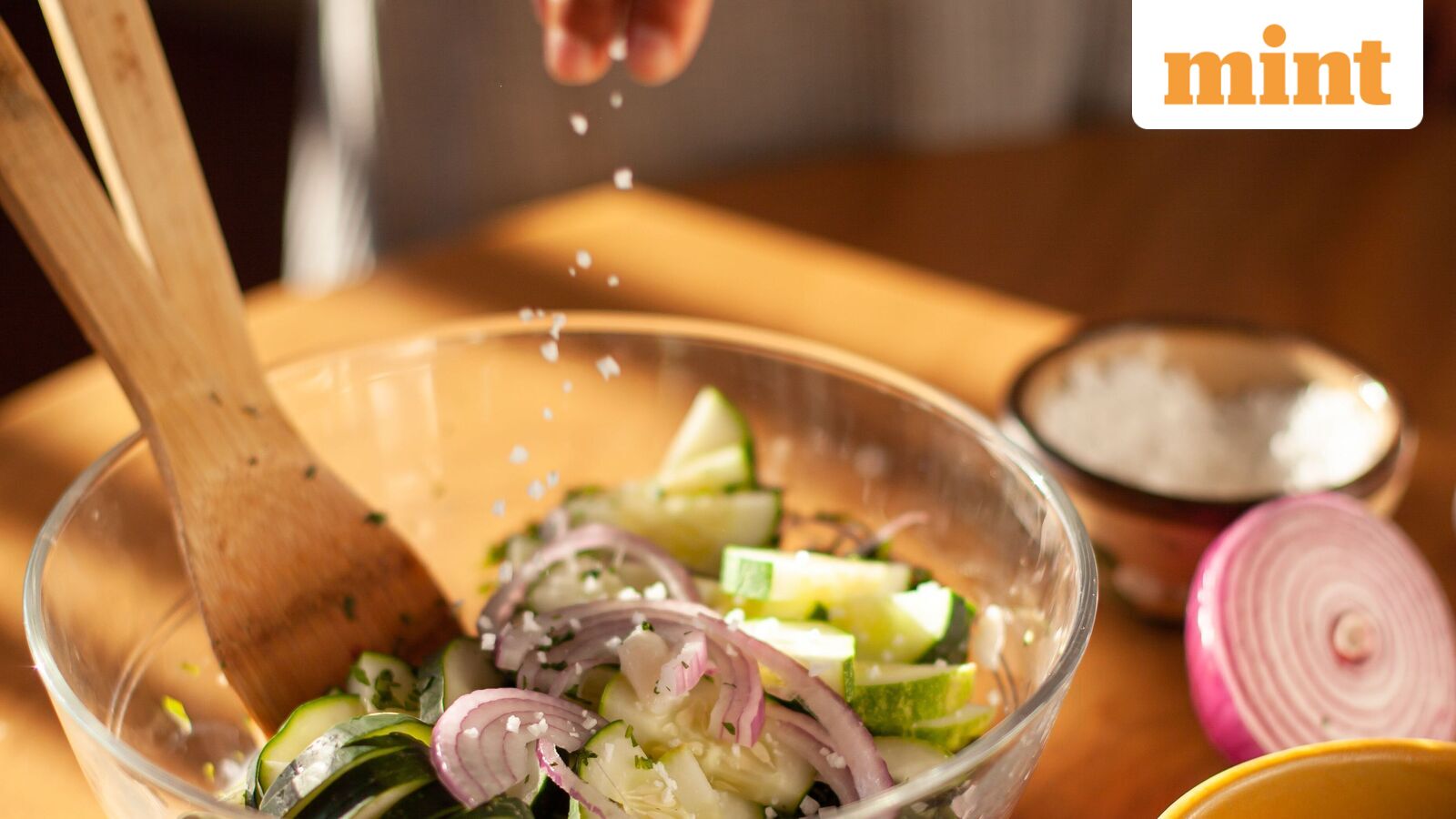
For years, Monosodium Glutamate, commonly known as MSG in India, has been the subject of controversy in kitchens worldwide. Rumoured to be linked to a host of unverified health concerns, it has been shunned by many health-conscious consumers. However, food scientists and culinary experts are now debunking the myths surrounding MSG, revealing that it is not only safe but may even enhance the flavour and nutritional value of meals.
Dr. Jamuna Prakash, a former professor of Food Science and Nutrition at the University of Mysore, highlighted the disconnect between public perception and scientific reality. She pointed out that the negative stereotypes surrounding MSG often stem from unverified stories and testimonies, lacking any solid scientific foundation. Dr. Prakash assured that MSG is one of the most thoroughly researched ingredients globally, with consistent approval from international food safety authorities, such as the FAO, WHO, and India's FSSAI.
MSG is derived from the fermentation of plant-based ingredients like sugarcane, cassava, or sugar beet, similar to the fermentation process used in making yoghurt or pickles. Chef Ajay Chopra, a renowned restaurateur and TV personality, emphasized the long-standing use of umami in Indian cooking, predating the term's introduction.
He explained that umami, often described as the taste of completeness, has been a fundamental aspect of Indian cuisine, contributing to the rich flavour profiles of various dishes. Chef Chopra likened umami to the harmonious blending of flavours, enhancing the overall taste without overpowering the dish. He noted that the deep flavours in Indian cuisine, ranging from Kashmiri yakhni to Chettinad gravies, have always relied on the strategic layering of umami-rich ingredients like tomatoes, mushrooms, onions, fermented batter, matured cheeses, soy sauce, and meat broths.
From a nutritional perspective, Chef Chopra pointed out that MSG serves as a healthier alternative to regular table salt, especially in light of consumers' growing preference for smarter cooking methods. He elaborated that MSG, being a naturally occurring seasoning produced through fermentation, is essentially pure umami. Dr. Prakash supported this view, stating that MSG contains approximately 70% less sodium than conventional table salt.
She explained that our bodies metabolise the glutamate in MSG identically to how they process glutamate from fresh tomatoes, making it an efficient flavour enhancer. When judiciously used in daily cooking, MSG allows home cooks to reduce overall sodium levels, making healthy eating less restrictive and more enjoyable. Dr. Prakash stressed the importance of relying on credible scientific research and expert advice rather than falling prey to unverified online narratives.
She called for a shift in focus from debunking myths to providing clear, science-backed information to consumers. Dr. Prakash emphasized that understanding umami as the fifth basic taste, which is naturally present in many common foods, is crucial. She advocated for proactive engagement with scientific information to bridge the gap between perception and reality, urging consumers to rely on evidence-based communication from experts.
Written by urgent.news from Live Mint's reporting — not their text. Machine-written — may contain errors; check the original before relying on it.