Iran’s steep demands for US over Strait of Hormuz threaten to derail reopening
A deal between Iran and Oman to reopen the Strait of Hormuz is teetering over steep demands from Tehran for the United States and vice versa. Iran on Sunday said the agreement to set up new shipping lanes was in its final stages but repeated that the vital waterway would only reopen once Washington met...
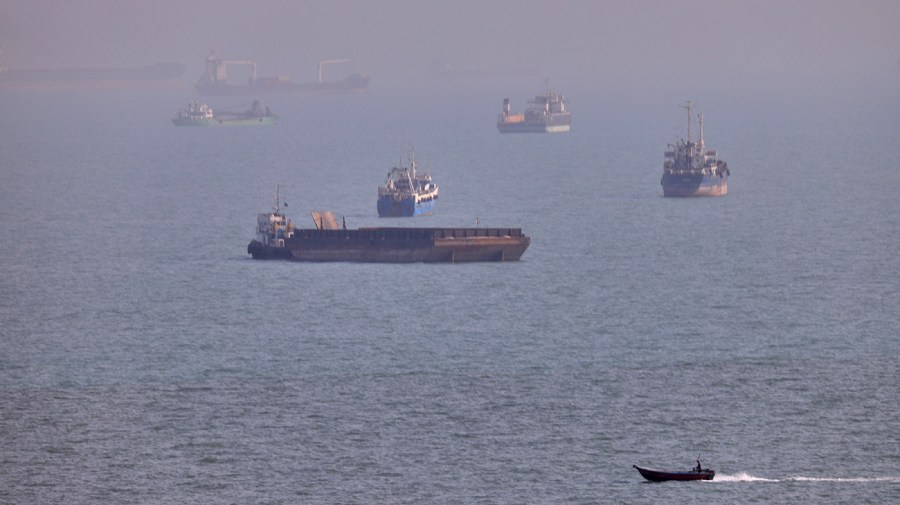
Iran has reiterated its demand that the United States fulfill a long list of conditions before reopening the Strait of Hormuz, a key shipping route. President Trump dismissed these demands, particularly the request for reparations for damages caused by five months of U.S.-Israeli strikes. The dispute has raised concerns about an imminent conflict in Yemen, where Saudi-led forces are battling Iran-backed Houthi rebels. Nick Schifrin reports on the escalating tensions.
Iranian officials have presented a comprehensive set of demands, including the removal of the naval blockade, withdrawal of U.S. troops, lifting of sanctions, release of frozen assets, and an end to attacks on Iranian proxies, such as Israel's strikes on Hezbollah. Despite these conditions, the U.S. has dismissed them, focusing instead on Iran's internal affairs and economic struggles.
However, Iran remains steadfast, with Foreign Ministry spokesman Esmaeil Baghaei asserting that the conditions remain unmet, and Iran will not allow the Strait to be considered safe waterways until the U.S. complies.
President Trump attempted to shift the blame to Iran, suggesting that the U.S. should demand reparations for the damages inflicted over a 50-year period, citing American casualties and other incidents. However, Iran's response has been to consolidate power, appointing a 71-year-old former Revolutionary Guard commander as its new national security adviser. This move reflects Iran's confidence that it holds the upper hand in negotiations.
The U.S. administration remains patient, viewing the impasse as a step in the process rather than a setback. Despite this, Iran's economic crisis and the regime's financial troubles give it considerable leverage. Meanwhile, Iran's regional allies, notably the Houthis in Yemen, are also leveraging the situation, launching attacks on Yemeni government targets and Saudi energy facilities. These actions further exacerbate the regional instability and highlight the complex web of interests and rivalries in the Middle East.
Written by urgent.news from PBS NewsHour's reporting — not their text. Machine-written — may contain errors; check the original before relying on it.
This story
This is one outlet's version. Read the fullest account.