Inside the Secret Service 'shell game' to hide US presidents in plain sight
Elaborate deception operations and decoys are often used to deceive potential threats to the US president.
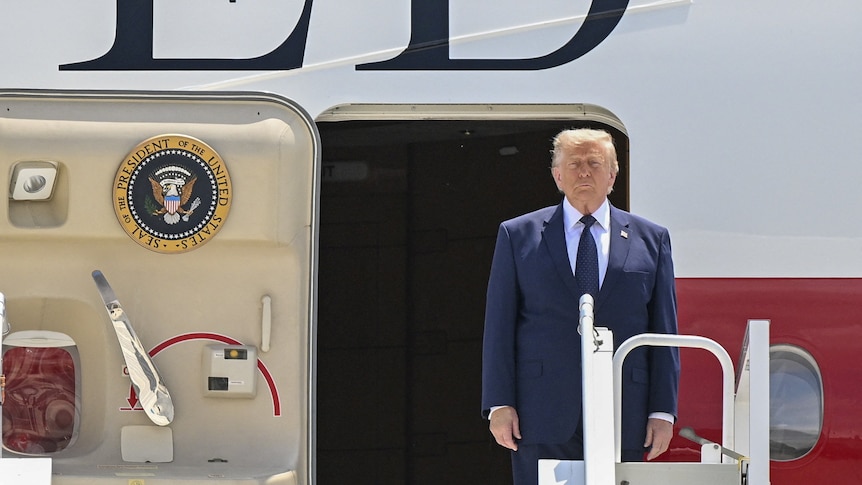
On July 8, President Donald Trump arrived at the NATO summit in Turkey aboard Air Force One, only for the plane to depart shortly afterward with a Secret Service-backed, covert operation. Unbeknownst to the passengers, the aircraft was replaced by a military C-32A aircraft, which whisked Trump to RAF Mildenhall in the United Kingdom.
The deception was common, with Ronald Kessler, an author on the subject, explaining that it helps mislead any potential threats against the president. The Secret Service frequently uses these tactics during motorcade operations, with two "Beast" limousines often employed, one serving as a decoy while the other transports the president.
Similarly, Marine One, the president's helicopter, routinely flies in groups of three to confuse potential adversaries. For high-risk trips abroad, the Secret Service and others in executive protection have resorted to more elaborate measures, such as changing aircraft and locations to conceal the president's whereabouts. In the most recent incident, the press pool accompanying Trump was informed of the deception but asked not to disclose it in real-time.
While the exact nature of the perceived threat remains unclear, experts believe the Secret Service's decision to employ such a complex deception suggests a significant threat level in Turkey. The passengers on the alternate aircraft were instructed to keep their window blinds down, a practice indicating continued measures to protect their identities.
Written by urgent.news from BBC News's reporting — not their text. Machine-written — may contain errors; check the original before relying on it.
This story
This is one outlet's version. Read the fullest account.