Incheon exhibition traces 6,000 years of Greek history built on maritime power
In a city built on container terminals and modern shipping lanes, 348 treasures from 15 Greek museums have arrived to tell a story thousands of years in the making. The exhibition, which opened Tuesday at the Incheon National Maritime Museum reframes classical antiquity not as a dusty gallery of serene marble statues, but as a restless, waterlogged civilization shaped by trade winds, naval…
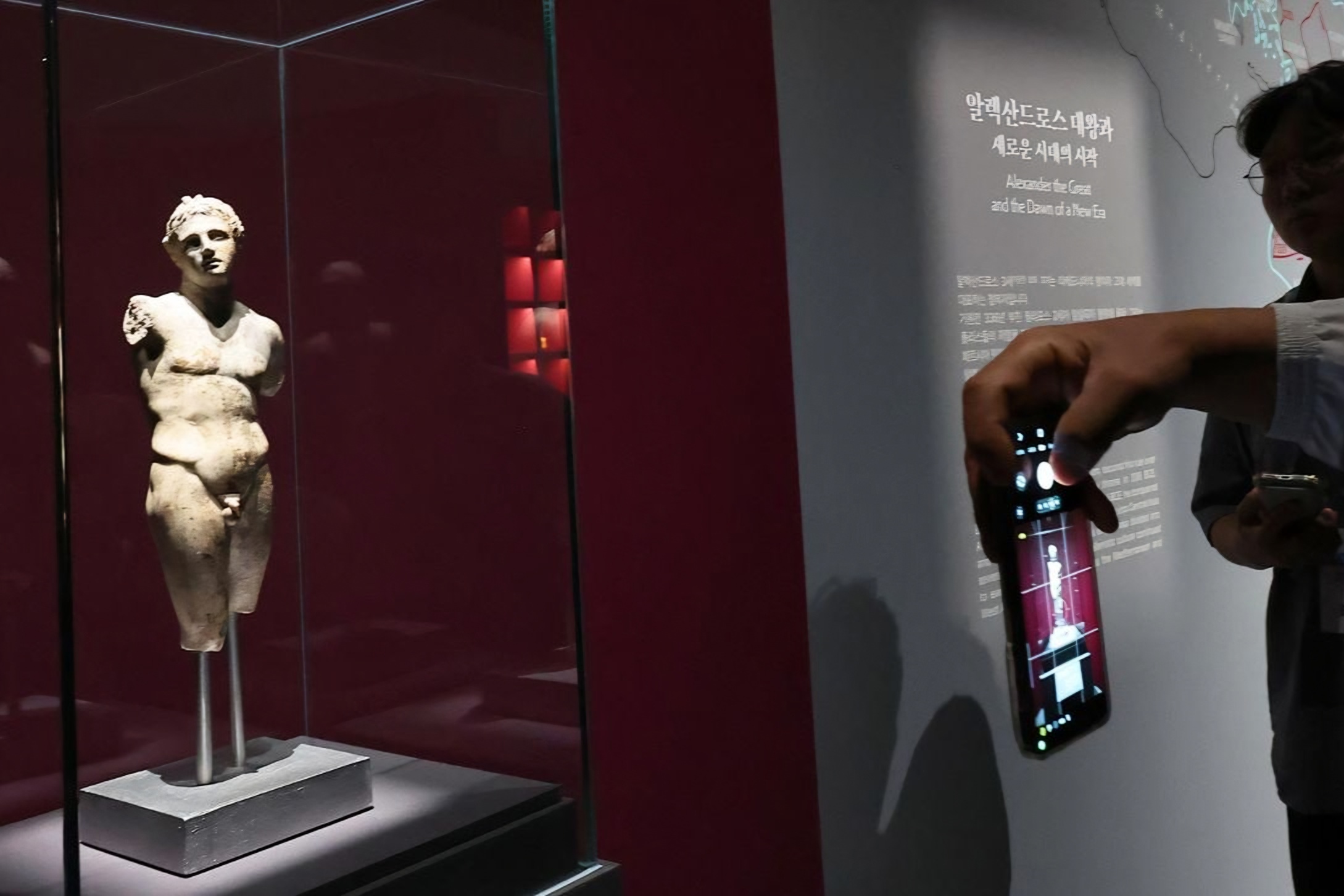
In Incheon, a city built upon container terminals and contemporary shipping routes, a remarkable exhibition has emerged. Over 348 priceless artifacts have been brought together from 15 Greek museums, unveiling a narrative that spans more than 6,000 years. This exhibition, which commenced on Tuesday at the Incheon National Maritime Museum, presents Greek antiquity not as a static collection of marble statues, but as a dynamic civilization propelled by trade winds, naval warfare, and maritime ambition.
This exhibition, titled "Greece: A Great Civilization Shaped by the Sea," is a collaborative effort between the Greek Ministry of Culture and the city of Seoul. It marks a significant milestone, being the largest collection of Greek antiquities ever displayed in the country. The exhibition spans an impressive timeline, covering roughly 6,000 years from the Neolithic Era to the Hellenistic Age.
What sets this exhibition apart is its innovative approach to understanding Greek history. Instead of adhering to conventional surveys of Greek art that focus solely on marble idealizations of the human form, the curators have adopted an oceanic perspective. They argue that the Aegean Sea played a pivotal role as both a cultural highway and a crucible for political innovation. This unique lens allows visitors to appreciate the profound impact of maritime power on the development of Greek civilization.
Written by urgent.news from The Korea Times's reporting — not their text. Machine-written — may contain errors; check the original before relying on it.