I wore Garmin's powerful microLED Fenix watch through heatwaves, blizzards and at 4,000m altitudes— here's why it's a five-star buy
I wore Garmin's most powerful watch through extreme conditions over months — and its microLED screen is the future of smartwatches
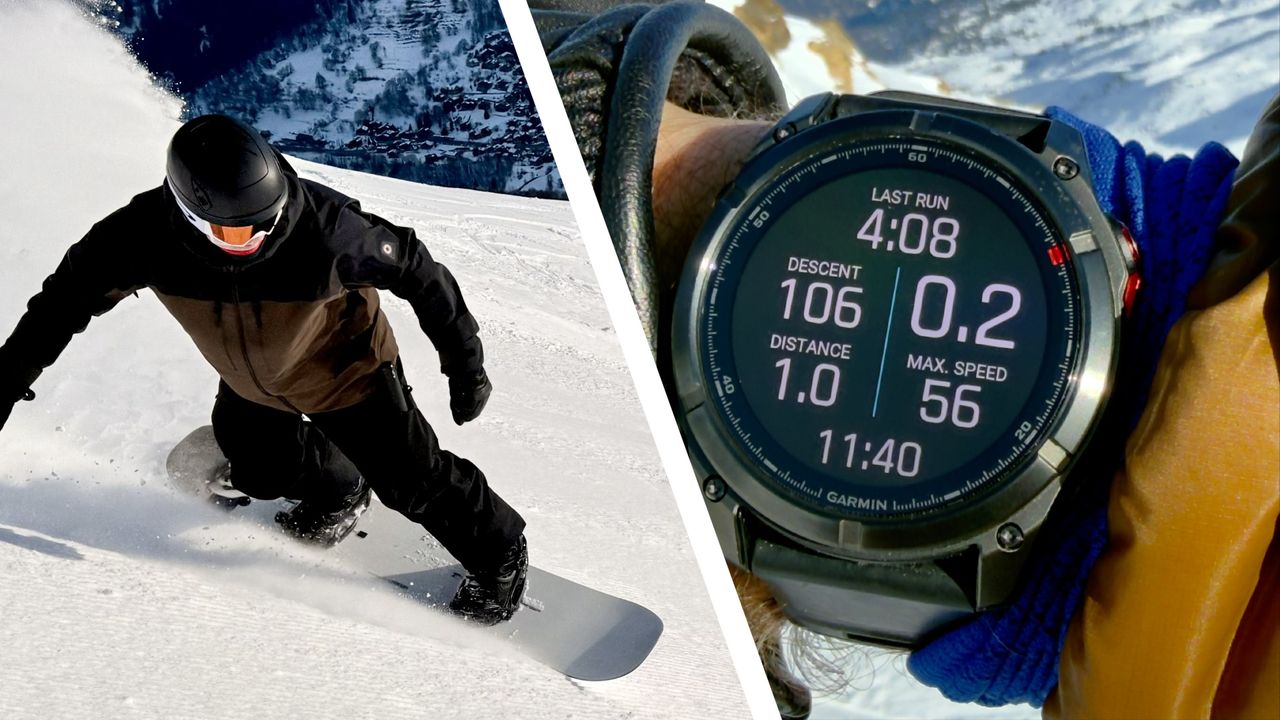
The Garmin Fenix 8 Pro microLED watch is an impressive device, combining a durable, rugged design with advanced functionality. The most striking feature of this watch is its microLED screen, touted as the 'brightest smartwatch screen ever built'. With over 4,500 NITs of brightness, it easily outshines even a maxed-out iPhone in direct summer sunlight.
The screen remains clearly visible and readable even from acute angles, making it a valuable asset for outdoor adventurers who need to navigate or take quick bearings mid-run. The comfort and fit of the watch are notable, with the flexible strap and watch body creating a surprisingly comfortable experience for all-day and overnight wear.
The accurate sleep monitoring and activity tracking features make it a valuable tool for improving sleep quality and overall health. Despite its larger size and weight, the watch remains comfortable and easy to wear, even for extended periods. The battery life is impressive, lasting at least four days on a single charge with Always-On Display enabled, and up to ten days when the Always-On feature is toggled off.
The rugged design ensures durability, withstanding knocks and scrapes in extreme conditions. Overall, the Garmin Fenix 8 Pro microLED is a powerful multisport smartwatch that offers unparalleled performance, comfort, and durability, making it a worthwhile investment for those seeking top-tier functionality in their wearable.
Written by urgent.news from TechRadar's reporting — not their text. Machine-written — may contain errors; check the original before relying on it.