I didn’t realize how much Finder was slowing me down until I switched to Bloom
Finder never bothered me until I tried Bloom. Multi-pane layouts, a floating Portal, and smarter search made me realize how much time I was quietly losing every day.
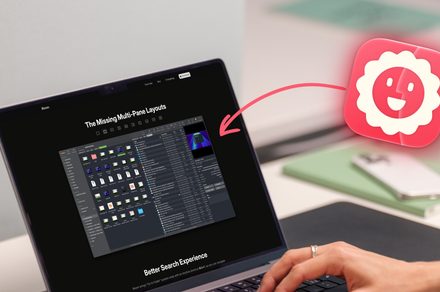
For years, the author has relied on Finder on their Mac, never giving it much thought. Opening new windows for file transfers, waiting for searches to scour the entire drive, and resizing columns repeatedly were all part of the norm. However, the author didn't actively seek a solution for these inconveniences, as they were unaware of any issues until they discovered Bloom.
Upon switching to Bloom, the author was initially drawn to its multi-pane layout, allowing them to open a single window with split panes for easy file management. The author uses three panes – one for the main directory, two smaller ones for the Downloads and Documents folders. They can save these pane setups as Workspaces for quick access with a single click or keyboard shortcut.
One standout feature of Bloom is its Portal, a floating window that acts as a quick-access shelf for frequently used files. Bloom's search capabilities are superior to Finder's, allowing the author to quickly jump to folders by typing their names. Bloom also focuses its searches within the current folder, saving time compared to Finder's default behavior of scanning the entire Mac directory.
Other small but useful features include automatic column resizing in archives, quick access to frequently used folders and workspaces through a menu bar app, built-in image editing tools, a shortcut to open the current folder in Terminal, a file operation logging feature (Footprints) for undoing mistakes, and a powerful regex-powered rename tool.
Overall, Bloom seamlessly integrates into the author's workflow, offering a familiar interface with hidden depths that make a noticeable difference in daily Mac usage. Even though the author initially dismissed Finder's shortcomings, they now firmly believe Bloom is worth the investment, having used it for a month without any desire to revert to the old Finder.
Written by urgent.news from Digital Trends's reporting — not their text. Machine-written — may contain errors; check the original before relying on it.