How migration is adding extra heat to Europe's long, hot summer
British summertime has its traditions, some delightful, others not so good. Tennis at Wimbledon is a delight. Not so welcome is the newer tradition of summer water shortages and bans on using hosepipes in gardens as a result of dry weather. Another weather-related tradition is calm summer seas. That means on the English coast, we expect the annual increase in small boats of migrants crossing from…
As British summer traditions go, the recent influx of migrants crossing from France to English coastal towns has added a new element of heat to an already hot season. Alongside the expected tennis matches at Wimbledon, water shortages, and bans on garden hosepipe use, the arrival of these migrants has sparked anti-migrant protests and occasional violence.
In the English market town of Thetford, demonstrators chanted "we want them out" and attempted to break into accommodation for asylum seekers, resulting in police intervention and at least 15 arrests.
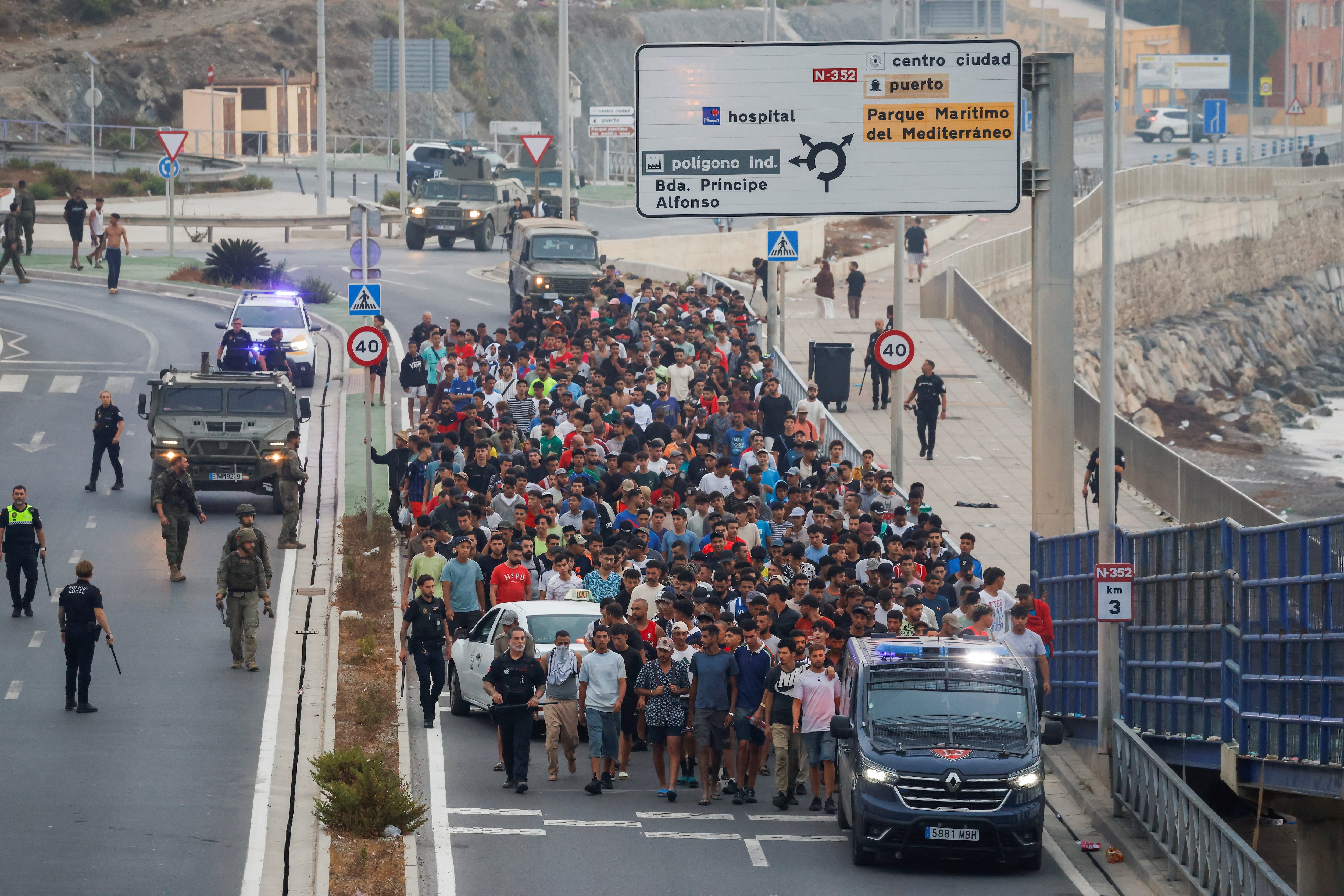
This summer, the issue of migration has become a significant political concern across Europe. The Spanish enclave of Ceuta, located on the North African coast, experienced a massive influx of migrants, with estimates of up to 72,000 people crossing into Ceuta from Morocco. The situation in Ceuta caused diplomatic and humanitarian crises, with Spain tightening its border controls and Italy introducing stricter measures to prevent migrants from reaching their territory.
The anti-migrant sentiment has even influenced football clubs, with Barcelona canceling a pre-season warm-up match in Morocco due to the crisis. Italian Prime Minister Giorgia Meloni criticized Spain’s handling of the border situation, while Spanish Interior Minister Fernando Grande-Marlaska stated that 70,000 of the migrants were returned to Morocco. The situation in Spain has also seen riots in Torre-Pacheco, where far-right militants attacked a person allegedly assaulted by migrants of North African origin.
European leaders are grappling with the challenge of securing national borders while managing far-right activism and politicians exploiting the situation. The political landscape has shifted, with traditionally centrist parties adopting more restrictive immigration policies. While the European Union generally allows free movement across its borders, the influx of migrants has led to calls for tighter controls.
The push for safety and better living conditions in Europe is a driving force behind migration, with natural disasters and conflicts in various parts of the world contributing to the "push" factor. However, the "pull" factor, including the stability and prosperity of European countries, also attracts migrants. Regardless of their motivations, migrants who risk their lives crossing the English Channel or other borders are often desperate, not irrational.
Written by urgent.news from The National UAE's reporting — not their text. Machine-written — may contain errors; check the original before relying on it.
Also reported by 1 other outlet
- How migration is adding extra heat to Europe's long, hot summer thenationalnews.com