How Hyosung Is Taking Bio-Materials to Industrial Scale
The world’s largest spandex manufacturer by market share, based in South Korea, has created a drop-in bio-alternative ready for large-scale production. BoF sits down with CEO Chang Hwang Lee to learn more.
In 2024, around 132 million tonnes of fibres were manufactured globally, more than double the quantity from the beginning of the century, as reported by Textile Exchange’s 12th annual Materials Market report. Apparel production is forecast to reach approximately 169 million tonnes by 2030, with fossil-based synthetic materials, including polyester (60% of global fibre output) and spandex (1% of total apparel fibre by weight), leading the growth.
Spandex, also known as elastane, is functionally vital for modern clothing's performance, expanding its penetration despite accounting for only 1% of total apparel fibre by weight. As the demand for this material rises, industry leaders are exploring more sustainable options. The fashion industry's continued use of virgin fossil-based synthetic materials, such as polyester or nylon, leads to exposure to market volatility, supply disruptions, and escalating freight costs, as seen with the disruptions in the Strait of Hormuz.
Regulations like the EU's Ecodesign for Sustainable Products Regulation (ESPR) and the planned use of digital product passports (DPPs) are placing pressure on brands to design products with circularity in mind and disclose a garment's composition in detail. Although recycling is the most common method for spandex's afterlife, recycled spandex is limited to manufacturing-process waste, which caps its scalability at around 1% of total spandex production.
Additionally, recycled elastane is physically indistinguishable from virgin fibre, making a recycled claim reliant on certification rather than intrinsic material properties.
Hyosung, a South Korean textile and materials company and the world's largest producer of spandex, has started commercial production of its sugarcane-based bio-spandex. This innovative material aims to address the limitations of alternative solutions. The conventional spandex substitute integrates seamlessly into existing production processes, requiring no modifications to mill equipment, manufacturing procedures, or formulations.
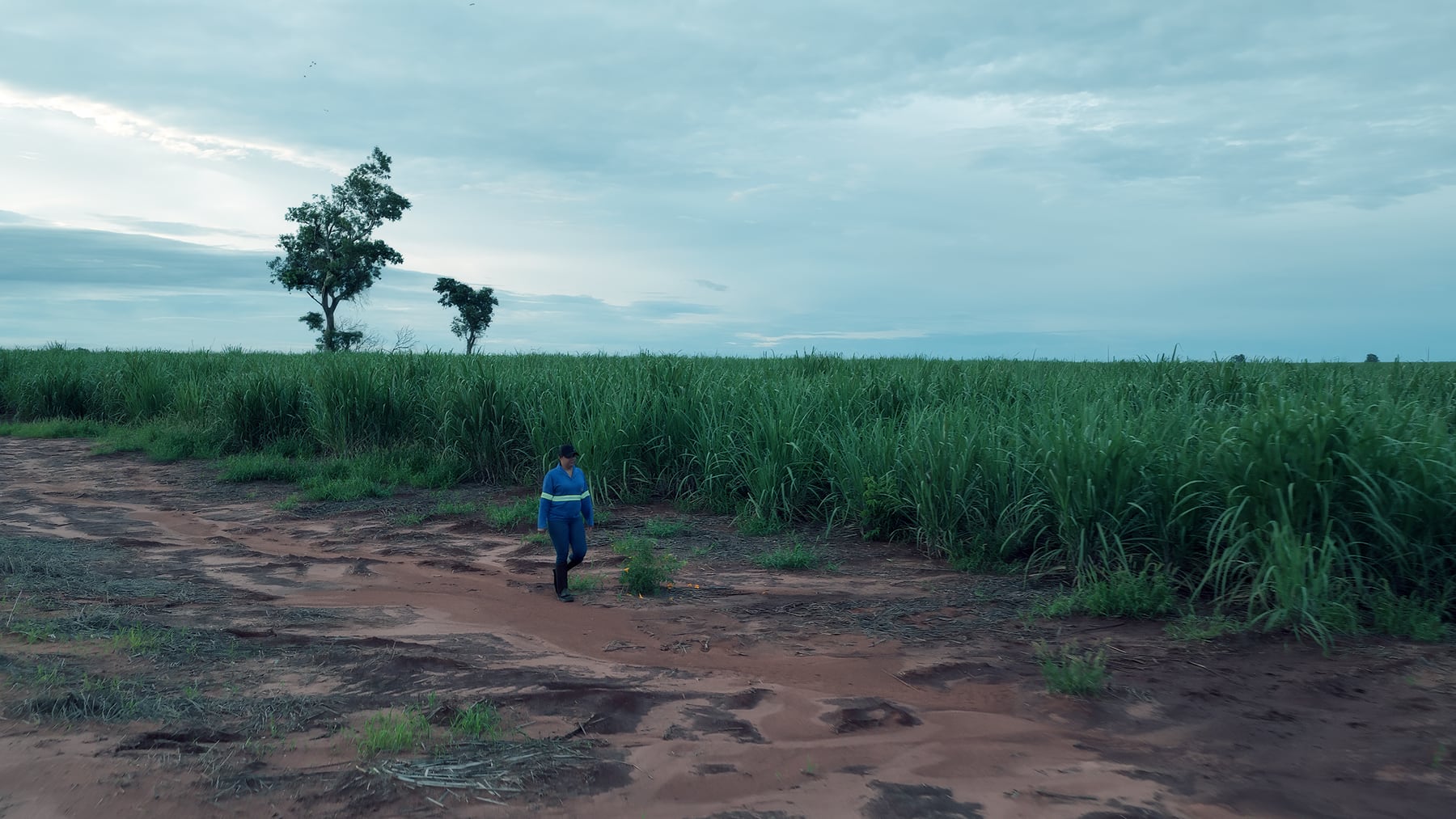
Derived from sugarcane grown in Brazilian regions governed by strict agro-ecological zoning laws, the material is intended to be compatible with preexisting productions.
In an interview with BoF, Chang Hwang Lee, CEO of Hyosung, discussed the company's strategy for sustainable production as its new material approaches commercial availability and global distribution. Upcoming regulations are expected to expose material choices hidden within the supply chain. As brands strive for more sustainable products, understanding the carbon footprint and raw material sources becomes crucial.
Early adoption of new materials, like Hyosung's sugarcane-based bio-spandex, guarantees access to superior materials and market leadership. Brands should prioritize raw material data over spreadsheet-based sustainability measures and ensure a combination of recycling and bio-based feedstocks to transform the system's foundation.
Written by urgent.news from Business of Fashion's reporting — not their text. Machine-written — may contain errors; check the original before relying on it.