How 1 sunburn can be ‘life-changing’
Even a single severe sunburn can damage skin-cell DNA and increase the risk of skin cancer later in life.
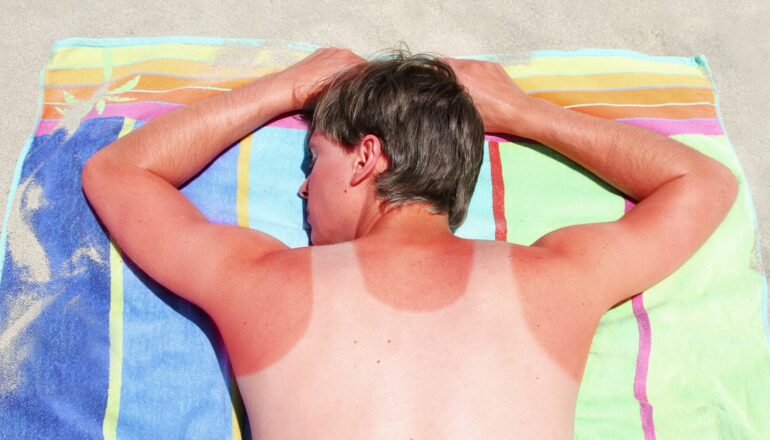
A severe sunburn can be far more impactful than many individuals realize. It's a misconception that a single sunburn cannot be life-changing. The term, "life-changing sunburn," refers to a severe sunburn that causes blistering, due to the damage it inflicts on DNA inside skin cells. This damage can lead to long-lasting health consequences because the body's attempt at repair can result in genetic mutations.
Adrienne Victor, an oncologist at University of Rochester Medicine Wilmot Cancer Institute, explains that these mutations can accumulate over time and potentially contribute to the development of skin cancer.
Blistering sunburns, in particular, have been linked to an increased risk of developing skin cancer later in life. For certain types of skin cancer, even one severe, blistering sunburn can elevate a person's lifetime risk. Children and teenagers are especially vulnerable to the long-term effects of severe sunburns. Jinia El-Feghaly, chief of pediatric dermatology at University of Rochester Medicine Golisano Children’s Hospital, notes that children are more susceptible due to various factors, including their skin cells' biology, higher likelihood of sun exposure, and inconsistent use of sun protection.
Moreover, research suggests that frequent sunburns during childhood are associated with a higher risk of skin cancer, even if sunburns become less common in adulthood.
Treatments for a severe sunburn typically involve cool compresses, ample hydration, and appropriate moisturizers to alleviate discomfort. It is common for sunburn-peeling to occur as damaged skin cells are shed. However, peeling does not signify full recovery from the underlying damage. Blistering is indicative of a more severe sunburn and warrants medical attention. The affected individual should consult a healthcare provider, especially if there is extensive blistering, severe pain, fever, or other alarming symptoms.
Prevention is the key to avoiding a life-altering sunburn. Protecting the skin from UV damage before it occurs is essential. Experts recommend using multiple forms of sun protection whenever outdoors, including broad-spectrum sunscreen, protective clothing, hats, shade, and limiting time in direct sunlight, particularly when UV levels are at their peak.
Sunscreen is crucial in reducing UV exposure, despite some misconceptions that its ingredients may cause skin cancer. Adrienne Victor emphasizes that the strongest evidence points to UV exposure as the primary cause of most skin cancers. According to the Fitzpatrick skin-type scale, people with lower skin types are more likely to burn; however, skin cancer can affect individuals of all skin types. Therefore, everyone should take measures to safeguard their skin from UV exposure.
Written by urgent.news from Futurity's reporting — not their text. Machine-written — may contain errors; check the original before relying on it.