Here’s What Middle Powers Can Actually Do
Mark Carney’s vision has gone unrealized, but that doesn’t mean states should give up.
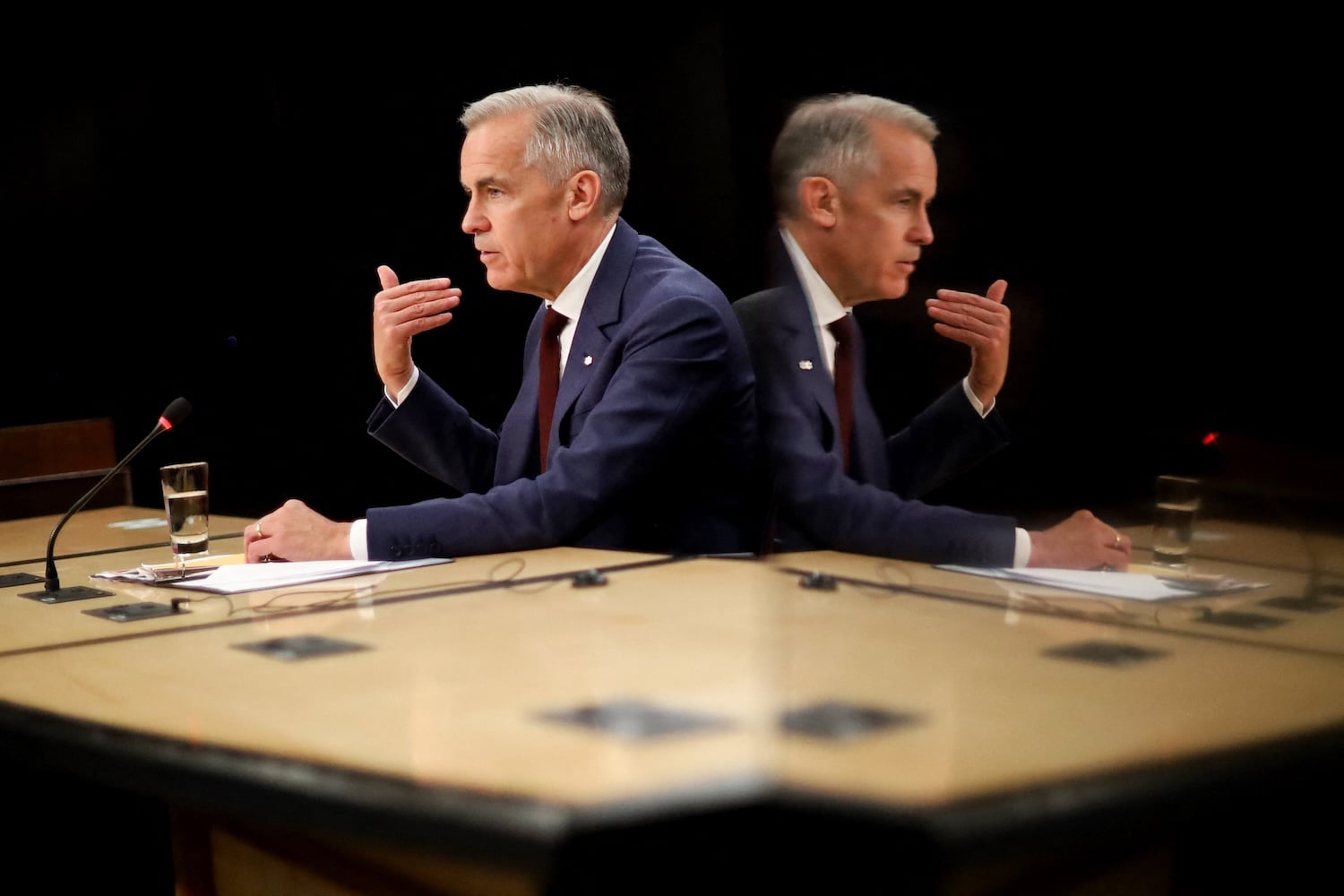
The world of "middle powers" has struggled to create a new international order since Canadian Prime Minister Mark Carney called on them to do so in January. While Carney saw potential for these countries to build a system that respects human rights, sustainable development, and territorial integrity, they have largely failed to act as a unified bloc. This failure stems from a combination of divergent priorities and limited leverage.
Moreover, the rise of President Donald Trump and his administration’s retreat into self-preservation has left middle powers concentrating on their own survival rather than working towards a new order. As Trump has threatened tariffs on Canadian goods, these nations have prioritized lessening Washington’s leverage over their jobs, revenues, energy, and security.
In response, middle powers have focused on strategic autonomy by rearming, strengthening domestic industries, and cultivating international partnerships to diversify dependencies. While some countries like Canada have sought to deepen relations with China, Qatar, and Saudi Arabia, these efforts are primarily driven by the need to reduce reliance on the United States rather than shared values.
Canada’s recent actions, such as forging alliances with Australia, India, and a nine-nation Defense, Security, and Resilience Bank, illustrate this trend. By concentrating on specific sectors, these countries have minimized their exposure to political upheaval and economic shocks, but at the cost of a broader vision for global reconstruction.
Despite these efforts, fractured interests and competing priorities continue to hinder middle powers from making significant progress in rebuilding the international system. The European Union’s attempt to distribute frozen Russian assets to Ukraine faltered due to Belgium’s vulnerability to Russian retaliation, while the Community of Latin American and Caribbean States struggled to form a consensus during the U.S. intervention in Venezuela.
Ultimately, while the prospect of a new international order remains distant, middle powers can still lay the groundwork for a more stable future by addressing their immediate self-preservation needs. However, the current focus on national interests and reduced reliance on external powers makes achieving a unified vision for the global system a farfetched goal for now.
Written by urgent.news from Foreign Policy's reporting — not their text. Machine-written — may contain errors; check the original before relying on it.