Hawks, isolationists, and real estate developers: Inside the factions battling to shape U.S. foreign policy
At first glance, Donald Trump’s foreign policy appears to be a monolithic embodiment of the “America First” slogan. In reality, however, behind the MAGA façade lies a fierce bureaucratic struggle between several competing factions, each with its own vision of how the United States should project its power throughout the world. Analysts at the European Council on Foreign Relations (ECFR), for…
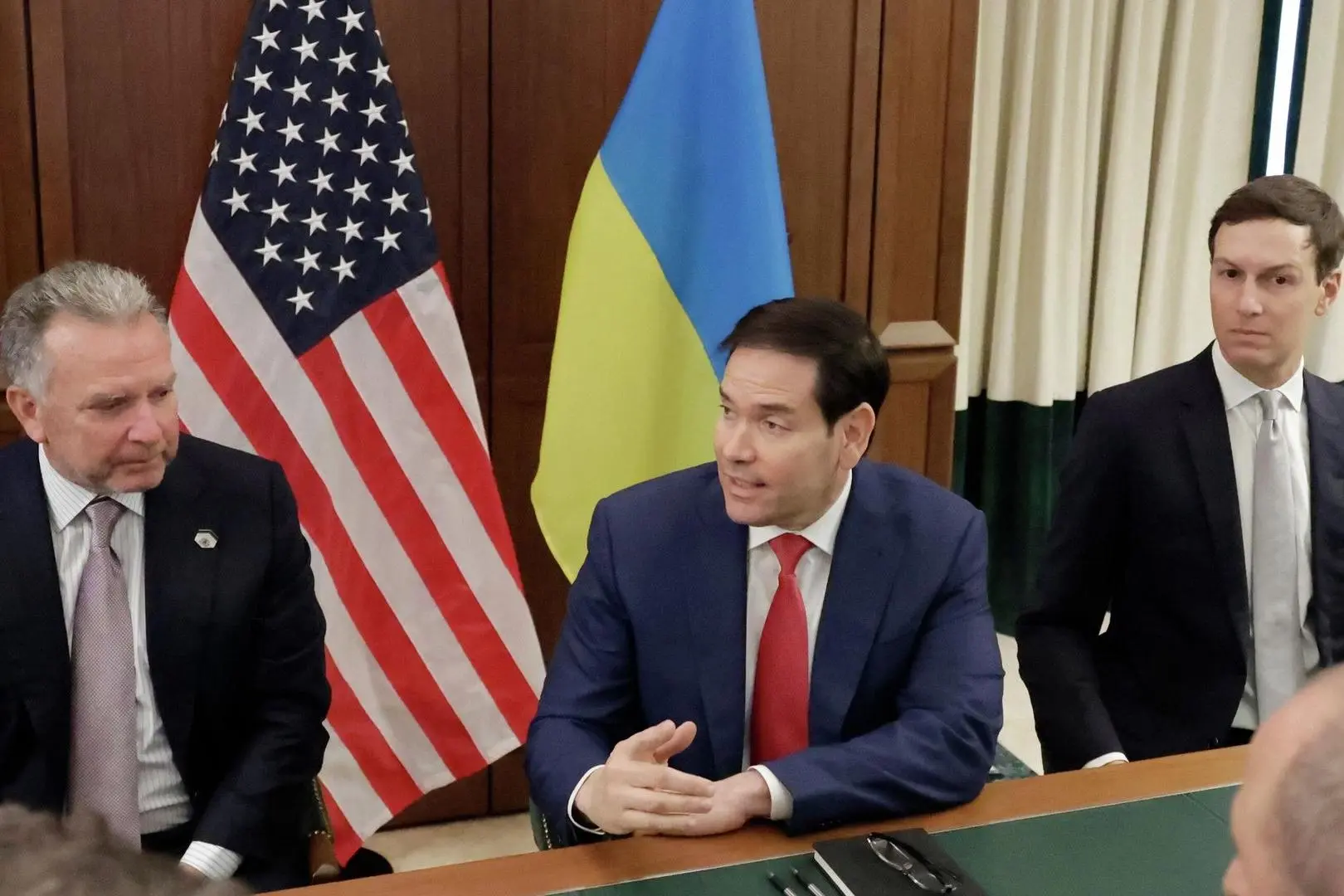
Four primary factions vie for influence in shaping U.S. foreign policy during the Trump administration. The first faction, led by Vice President JD Vance (often backed by Tucker Carlson), advocates for rebuilding America domestically. This group calls for an end to aid for Ukraine, conflict cessation, abandonment of America's global policing role, and the implementation of harsh protectionist tariffs on allies perceived as free riders.
The second faction, guided by former Pentagon official Elbridge Colby, shares concerns about the "forever wars" and proposes realigning defense resources towards the Indo-Pacific to counterbalance China's growing influence. They believe Europe and Ukraine must shoulder their own security responsibilities.
The third faction comprises traditional Reagan-era hawks, headed by Secretary of State Marco Rubio and his predecessor Mike Waltz. These advocates maintain that a retreat from Europe would indicate weakness and could prompt China to invade Taiwan. Therefore, they advocate for maintaining military superiority across all key regions and encouraging NATO allies to boost their defense spending.
The fourth faction consists of business-oriented investors led by Jared Kushner. They aim to mediate the relationship between Saudi Arabia's economic interests and a pro-Israel global order. This faction operates within the broader political landscape, frequently shifting alliances based on Trump's changing preferences and opinions.
A new faction, the "Restrainers," emerged as a significant force challenging the traditional hawks. Once considered the intellectual backbone of the MAGA movement, the restrainers found themselves at odds with Rubio and Vance over foreign policy, particularly in the Middle East. Comprised of disillusioned Rust Belt voters, right-wing populists, and tech billionaires, the restrainers advocate for isolationism, sanctions on Ukraine, and economic protectionism to create a self-sufficient "fortress" America.
Their main adversaries include the Washington establishment, the defense-industrial complex, and the pro-Israel lobby.
Written by urgent.news from The Insider's reporting — not their text. Machine-written — may contain errors; check the original before relying on it.