Google Just Updated Its Home Page to Replace the “Search” Button With a Bunch of AI
In search of lost button. The post Google Just Updated Its Home Page to Replace the “Search” Button With a Bunch of AI appeared first on Futurism .
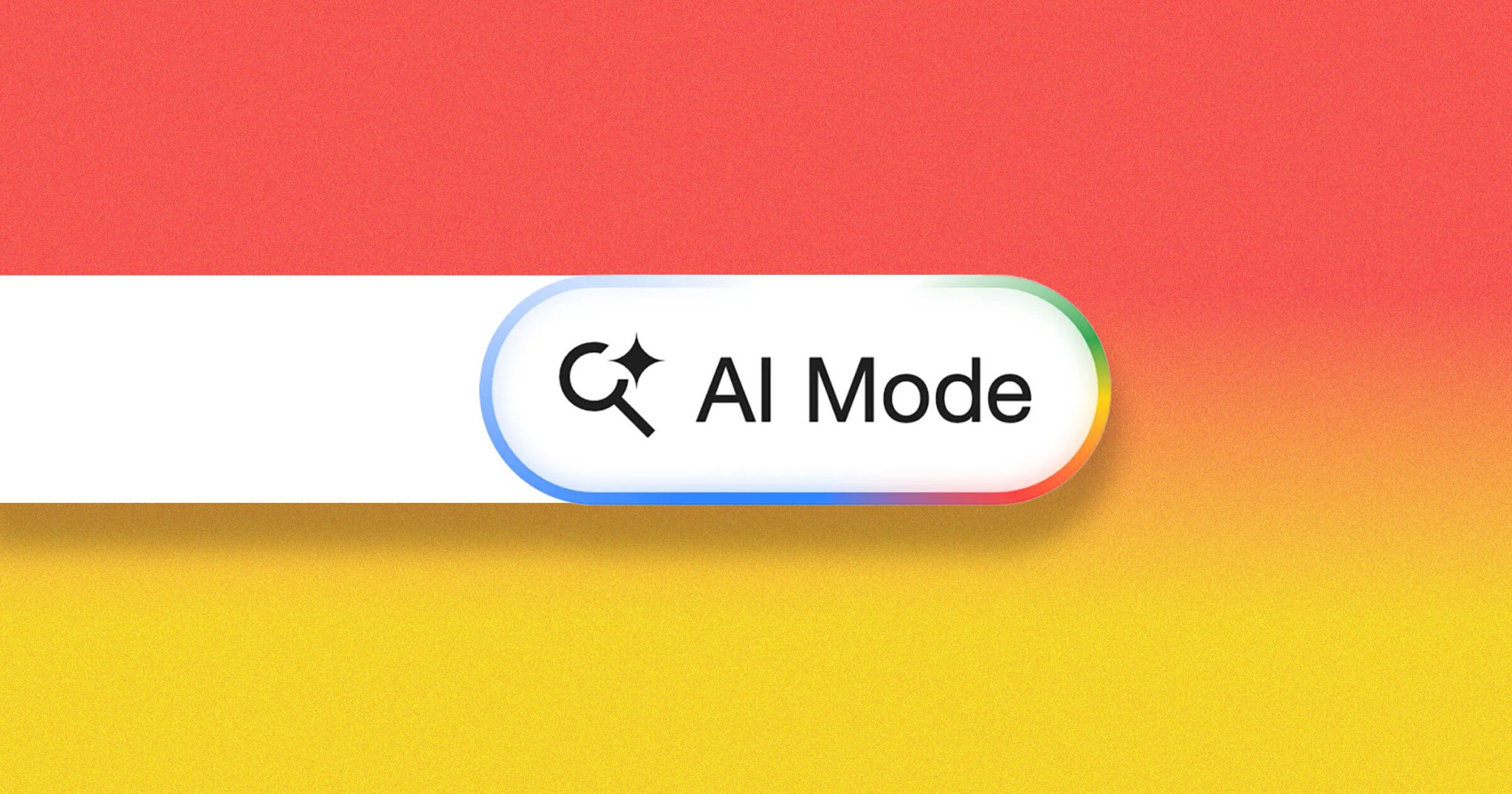
Google has made a significant update to its homepage, replacing the traditional "Search" button with an array of AI features. This change, first noticed by search engine specialists on Monday, replaces the classic button with three new options: "Create images," "Ask about files," and "Brainstorm." These buttons are situated alongside the enduring "I'm feeling lucky" button, which managed to evade the overhaul. Alongside these, Google continues to maintain an existing "AI Mode" button within the search bar.
Users still have the capability to carry out routine Google searches, which are already AI-enhanced, simply by pressing the enter key. However, the addition of these new AI tools signifies Google's ongoing experimentation with its strategy for navigating the internet. While the core search functionality remains intact, Robby Stein, Google Search's vice president of product, acknowledged that this is merely a "small test" aimed at helping users discover novel ways to utilize Search. "No impact to how the core search box works," Stein affirmed in a post on X.
This update appears to be a cautious exploration of Google's AI-centric vision. In May, the tech giant unveiled an "intelligent" search box capable of transitioning into a chatbot-like interface as users type. This AI-driven interface boasted features like recruiting AI agents to automate searches and an autocomplete function to assist users in completing their thoughts.
However, the most notable alteration was the introduction of conversational answers, replacing Google's traditional "ten blue links" that directed users to external websites.
The shift towards AI-driven responses has raised concerns among experts about its potential impact on the open web. By encapsulating information within a single window, Google's AI could potentially undermine the need for users to visit other websites, thereby depriving them of essential traffic necessary for their survival. This trend was already apparent as more individuals leaned on AI chatbots for answers, leading some websites to resort to ads tailored for robotic users.
Despite the comprehensive AI integration, the traditional search hasn't been entirely supplanted by Google's new offerings. As AI continues to evolve, it remains to be seen how this development will shape the future of web navigation.
Written by urgent.news from Futurism's reporting — not their text. Machine-written — may contain errors; check the original before relying on it.