Gold accounts for 63% of Ghana’s exports as GSS warns of concentration risk
Gold now accounts for 63% of Ghana’s total export earnings, up from 39% in 2004, highlighting the country’s growing dependence on the precious metal and the risks associated with export concentration. The figures are contained in the Ghana Statistical Service’s (GSS) latest 21-year merchandise trade report covering the period from 2004 to 2025. Presenting the […]
Ghana's economy remains heavily reliant on gold exports, accounting for a staggering 63% of the nation's total export earnings, up from 39% in 2004. This concentration of the economy on a single commodity raises concerns about potential risks stemming from export concentration. The Ghana Statistical Service (GSS) reported this in its latest 21-year merchandise trade report, which spans from 2004 to 2025.
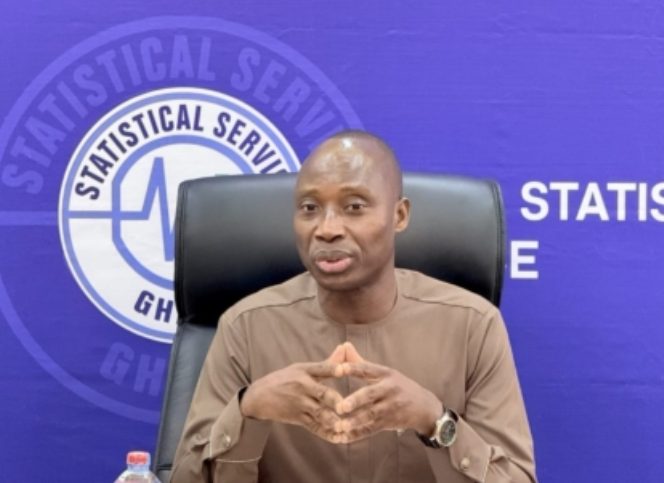
Dr. Alhassan Iddrisu, the Government Statistician, highlighted that Ghana's total trade had surged from US$6 billion in 2004 to US$52.5 billion in 2025, resulting in a trade surplus of GH¢148.3 billion in the latter year. Despite the trade surplus, the GSS cautioned that gold's growing dominance in exports leaves the economy vulnerable to external shocks, particularly sudden fluctuations in international gold prices.
While cocoa remains a significant contributor to Ghana's export earnings, its share has decreased over the years, peaking at US$4.2 billion in 2025. The report also revealed a significant shift in Ghana's trading partnerships, with Asian countries now representing half of the country's exports and a substantial portion of its imports.
Europe's share in Ghana's trade has dwindled to around one-quarter. Import-wise, fuel, machinery, and vehicles constitute a significant portion of Ghana's imports, with fuel alone accounting for 26% of the total. The GSS also pointed out a structural challenge in Ghana's energy trade, where the nation exports crude oil but imports refined petroleum products.
Dr. Iddrisu emphasized the need for accurate data to inform economic and trade policies, calling for enhanced investment in data collection and analysis systems. He also urged Ghana to focus on adding value to commodities before export, diversifying exported goods, supporting small businesses in accessing foreign markets, and increasing domestic production of imported goods to reduce dependence on imports and bolster economic resilience.
Written by urgent.news from Adom Online's reporting — not their text. Machine-written — may contain errors; check the original before relying on it.