Funding the plug: EV levy idea has merit, but money isn't the only problem
WHEN Investment, Trade and Industry Minister Datuk Seri Johari Abdul Ghani floated the idea of a new levy on electric vehicle (EV) sales, Putrajaya framed it as a pragmatic policy mechanism for plugging the fund needed for a nationwide charging network.
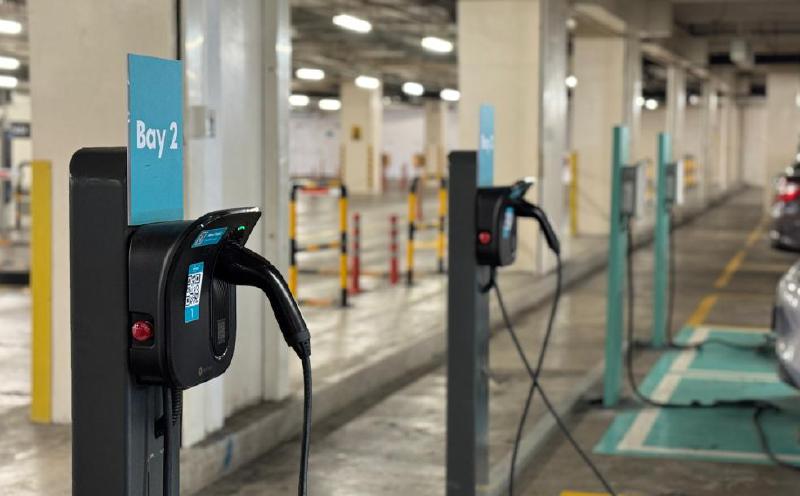
Datuk Seri Johari Abdul Ghani proposed a new levy on electric vehicle sales in Malaysia to fund a nationwide charging network. However, the public quickly criticized the idea, comparing it to another tax hike. Johari's proposal stems from the shortfall in federal revenue due to previous exemptions, which amounted to over RM3.3 billion. The minister's concern is grounded in the fact that the market did not deliver on the promise of building extensive public charging infrastructure as initially expected.
The issue is not unique to Malaysia, as western markets also faced the same problem, forcing governments to take action. In the United States, the government launched a $5 billion National Electric Vehicle Infrastructure (NEVI) program under the Bipartisan Infrastructure Law to co-fund up to 80% of project costs for fast chargers placed along interstate corridors.
Similarly, the European Union implemented the Alternative Fuels Infrastructure Regulation (AFIR), legally mandating fast-charging hubs every 60 km along major highway networks.
Malaysia could consider a similar approach by establishing an EV Infrastructure Development Fund funded by manufacturers or importers rather than direct consumer taxes. This would co-finance crucial upgrades to Tenaga Nasional Bhd's (TNB) power grid and connections in key charging deserts. However, this solution faces challenges, such as navigating complex bureaucratic processes involving multiple ministries and state-level authorities.
To address this, the Investment, Trade and Industry Ministry could be elevated to a more powerful position or paired with a mandatory "Right to Charge" framework, which would enforce a 30-day approval process for local councils. This would give the steering committee the authority necessary to overcome bureaucratic hurdles and accelerate the deployment of charging infrastructure.
Written by urgent.news from New Straits Times's reporting — not their text. Machine-written — may contain errors; check the original before relying on it.