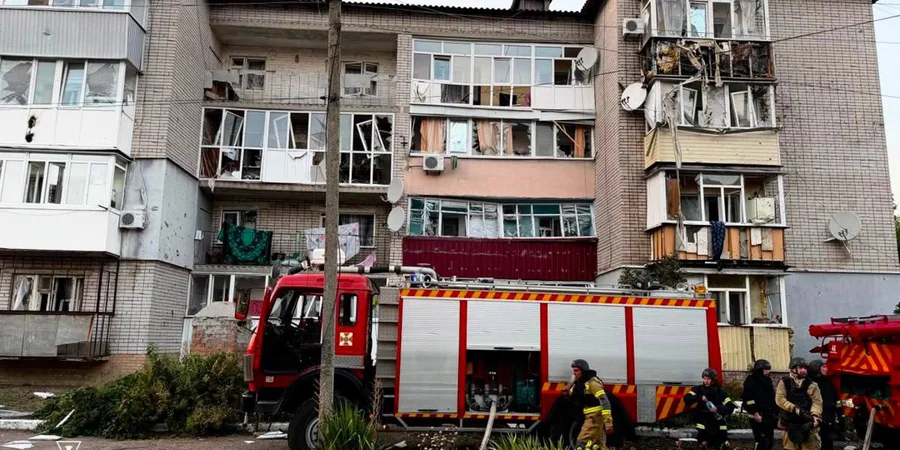
Explosive Drones Are the New Weapon in Colombia’s Conflict
A wave of Colombia drone attacks hit police posts and a town hall in early August as armed groups adopt Ukraine-style drone tactics. The post Explosive Drones Are the New Weapon in Colombia’s Conflict appeared first on The Rio Times .
Explosive drones have become a frequent weapon for Colombia's armed groups, with deadly police strikes and attacks spreading throughout the country in early August 2026. These incidents, occurring in the southwest and north, were carried out by specific FARC dissident fronts and the ELN, as well as the Clan del Golfo. The most severe attack took place on August 7, when a drone loaded with explosives struck a police substation in San Roque, killing Subintendente Argemiro Rodelo Canchila, a 43-year veteran with 18 years of service.
This marked a shift in how the conflict is waged, with police stations now becoming targets from the air. The army has identified FARC dissident fronts and the ELN as responsible for these drone attacks, while the Clan del Golfo is also implicated. These strikes, using cheap commercial drones modified to carry explosives and first-person-view (FPV) drones flown straight into targets, demonstrate a coordinated effort to test defences and challenge state authority.
While there is no evidence of Ukrainian training, the method has spread among Colombian armed groups. The attacks on police stations, town halls, and an army battalion highlight a concerted attempt to undermine security and challenge the state. In response, Antioquia's police commander has implemented countermeasures, but these systems remain under army control and are not evenly distributed.
The attacks on infrastructure, such as a destroyed toll booth on the Pan-American Highway, pose a direct threat to rural investment and supply chains. The escalating threat of drone warfare extends beyond Colombia, as the tactic spreads to non-state actors across Latin America. Security planners in the region are closely monitoring the situation, as Colombia serves as the frontline for this emerging form of conflict.
President Abelardo de la Espriella has adopted a firm security stance, ordering the killing of six members of illegal armed groups over the weekend of August 9–10. However, limited anti-drone systems remain a vulnerability, leaving smaller-town police posts exposed. As the drones continue to pose a threat, sustained investment in detection and interception is crucial for the state to maintain security in the affected regions.
Written by urgent.news from The Rio Times's reporting — not their text. Machine-written — may contain errors; check the original before relying on it.