Everybody wants energy security post the Iran war, but how?
The lasting legacy of the Iran war will likely be a renewed impetus for energy-importing nations to lessen their dependence on fossil fuels.
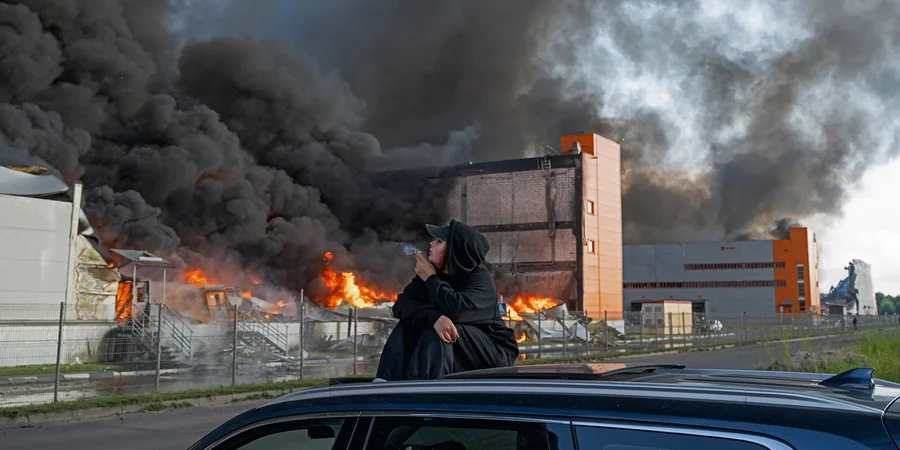
The recent Iran war has raised concerns about energy security for nations dependent on fossil fuels. Closing the Strait of Hormuz has significantly reduced the capacity of this crucial waterway, which previously handled nearly 20% of global crude, refined products, and liquefied natural gas (LNG). As markets anticipate the Strait's eventual reopening, concerns about potential disruptions persist.
Energy-importing countries face a dilemma: should they prioritize transitioning to renewable energy sources and electric vehicles (EVs) or focus on expanding fossil fuel production outside the Middle East? This debate often pits left- and right-wing political factions against each other.
Looking at Australia, the world's leading diesel importer, provides a compelling example of the challenges fuel importers face. Australia relies on imports for around 80% of its liquid fuel needs, with diesel accounting for about 60% of those imports. The country has reduced its oil refining capacity by closing most of its plants, currently operating only two refineries with a combined capacity of just over 100,000 barrels per day (bpd).
The prospect of a new refinery being built in Western Australia has been proposed to address fuel security concerns. However, such a facility would be costly, with estimates suggesting it could cost around US$12 billion. Moreover, the plant would likely need to process crude oil, shifting the country's reliance from imported products to imported crude.
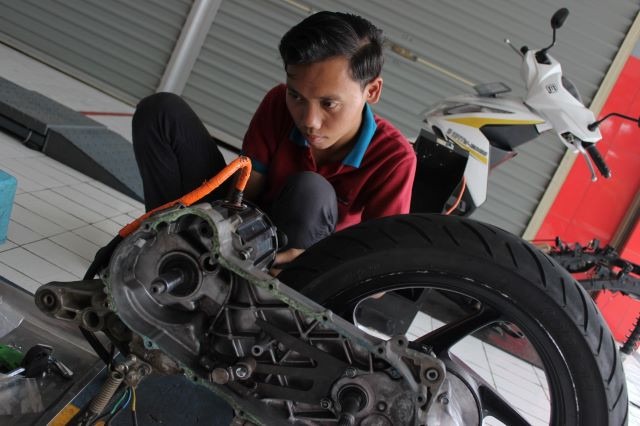
On the other hand, Australia is witnessing a shift towards electrification as consumers increasingly opt for electric and hybrid vehicles. Sales of EVs and plug-in hybrids surged in July, with EVs even surpassing half of all vehicle sales. Encouraging mining companies and farmers to electrify their operations may also prove beneficial, as demonstrated by Fortescue Metals Group, which reports significant cost savings from using electric mining vehicles and renewable electricity generation.
The situation underscores the complexity of achieving energy security. While a new refinery could offer protection against fuel crises, it also increases reliance on imported crude. Accelerating electrification, on the other hand, may help reduce dependence on fossil fuels but requires substantial investments and time. Ultimately, a hybrid approach that balances both strategies might offer the most viable solution for energy-importing nations in the post-Iran war era.
Written by urgent.news from The Jakarta Post's reporting — not their text. Machine-written — may contain errors; check the original before relying on it.