Economic Census helps businesses spot market opportunities: BPS
Deputy Statistics Indonesia (BPS) chief Sonny Harry Budiutomo Harmadi sat down with Aditya Hadi and Ruth Dea Juwita of The Jakarta Post to discuss the expanding scope of this year’s census and its implications for policymakers, investors and businesses.
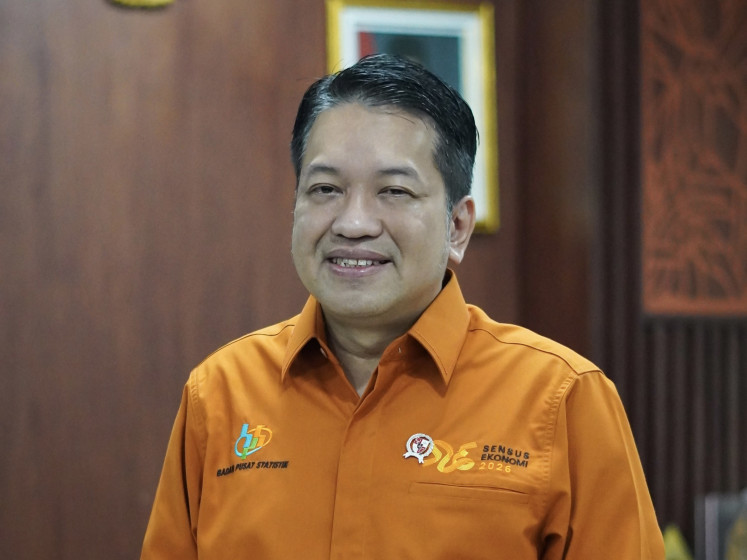
The 2026 Economic Census conducted by Indonesia's Deputy Statistics Indonesia (BPS) chief Sonny Harry Budiutomo Harmadi marks a significant shift from the previous census in several key areas. Firstly, it incorporates the agriculture sector for the first time in a decade, reflecting a more comprehensive understanding of the nation's economic landscape.
Secondly, this census leverages cutting-edge technology with Computer Assisted Personal Interviewing (CAPI), eliminating paper questionnaires and replacing them with digital devices. Respondents can even complete the survey online if they so choose. Additionally, artificial intelligence is employed to reduce errors, particularly in correctly categorizing businesses according to the Indonesian Standard Industrial Classification (KBLI).
The duration of the fieldwork has also been lengthened from a mere 1.5 months to a more expansive 2.5 months, acknowledging the burgeoning number of businesses and ensuring a more thorough coverage. Furthermore, BPS has taken steps to include the vast informal economy by visiting households in person, given that many businesses have transitioned to remote operations post-COVID-19.
However, the census is not without its challenges. Many participants are wary of how their data might be used, fearing potential implications for their tax obligations or sharing with other governmental bodies. To address these concerns, BPS has implemented stringent measures. They pledge not to publish individual-level data and have put in place multiple layers of data protection.
Each field enumerator signs a pledge to maintain the integrity of the data, and any breach of confidentiality carries severe legal repercussions. Despite these hurdles, the BPS is committed to transparency and welcomes feedback from the public, inviting them to share their experiences, suggestions, and any issues they might face related to the census.
Written by urgent.news from The Jakarta Post's reporting — not their text. Machine-written — may contain errors; check the original before relying on it.