Don’t swat that ‘fly’: 5 safe ways to deter sweat bees from your yard without getting stung
Sweat bees track human scent relentlessly, here's how to make yourself invisible to them this summer.
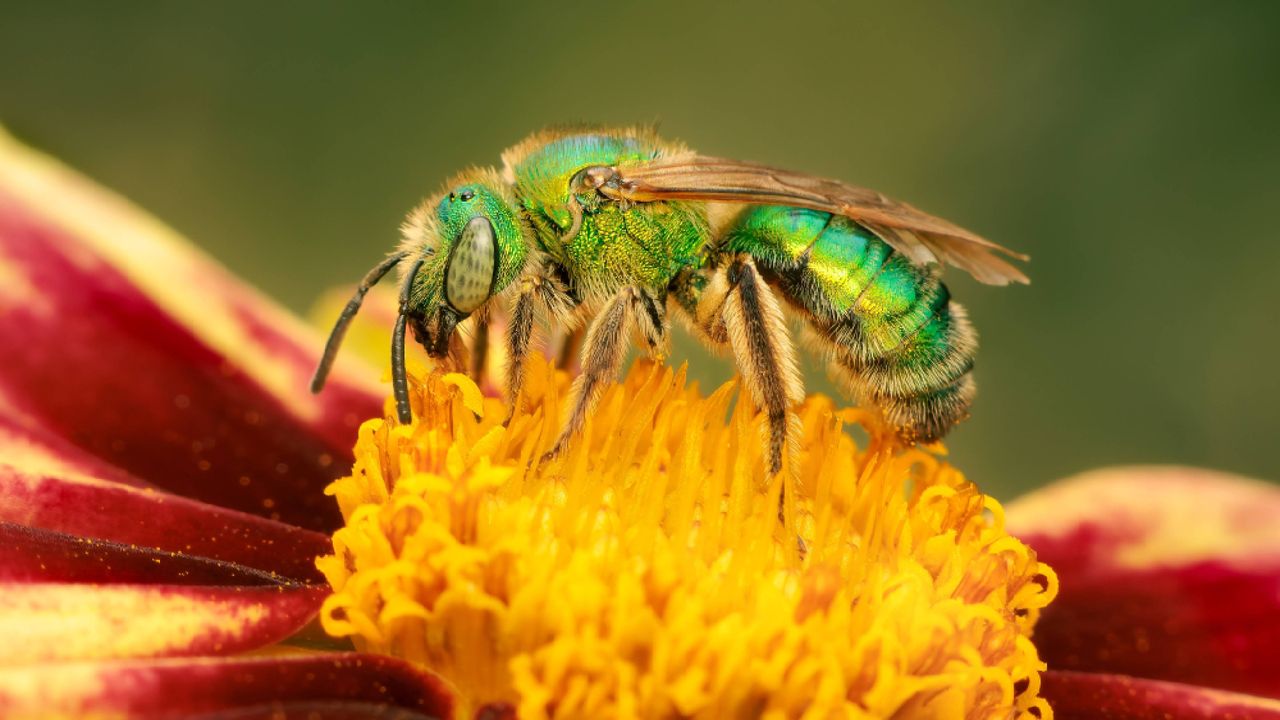
Summertime often means spending quality time outdoors in your backyard. However, sweat bees can quickly turn that into a painful reality. These bees are drawn to the salt in human perspiration, making them particularly persistent. While they won't intentionally attack, they will sting if they feel threatened. Here are five safe methods to deter sweat bees from your yard without causing harm to the insects:
1. Create a scent barrier using fragrant herbs. Bees are repelled by certain smells, such as mint, eucalyptus, and citronella. Strategically planting these herbs around your patio or seating area establishes an invisible barrier that the bees will avoid. The plants not only deter sweat bees but also provide sensory pleasure and have various uses in cooking and medicine.
2. Eliminate exposed soil that serves as nesting sites. Sweat bees prefer to burrow into loose, sandy ground. If your yard has bare patches or sandy areas, mulch them to a depth of three to four inches. This layer prevents the bees from accessing their preferred nesting spots, encouraging them to seek alternative locations.
3. Keep your yard free of clutter and debris. Fallen leaves, scattered branches, stacked wood, and garden waste provide ideal shelter for sweat bees. Regular yard maintenance is crucial in disrupting their nesting habits. Clear leaves and debris on a weekly basis during the summer months, store tools and equipment properly, and maintain an organized outdoor space to discourage sweat bee colonies.
4. Reduce standing water and damp areas. Sweat bees require moisture, which they obtain from puddles, wet soil, and waterlogged regions. If your yard has standing water due to irrigation or poor drainage, it becomes attractive to these bees. Address drainage issues, ensure prompt water runoff after watering, and eliminate any puddles.
Birdbaths and pet water bowls should be checked regularly and refilled to prevent them from becoming sweat bee gathering spots. However, this does not mean eliminating all moisture; plants and wildlife still require water.
5. Modify your attire to minimize attracting sweat bees. These bees are particularly drawn to the salt and moisture found in human perspiration. By wearing synthetic, moisture-wicking fabrics like polyester or nylon, you can effectively remove the scent cues that these bees rely on. Compared to heavy cotton clothing, which traps sweat, these technical materials pull sweat away from your body and dry rapidly, minimizing the attractive odor for sweat bees.
Written by urgent.news from Tom's Guide's reporting — not their text. Machine-written — may contain errors; check the original before relying on it.