CWMA endorses CWRC’s direction to Karnataka to release 12,000 cusecs of water a day for 15 days to Tamil Nadu
Karnataka Chief Minister Shivakumar says a decision on the next course of action will be taken after carefully assessing the water availability in the State; CWMA chairperson says Karnataka is in a “comfortable position” to comply with the order
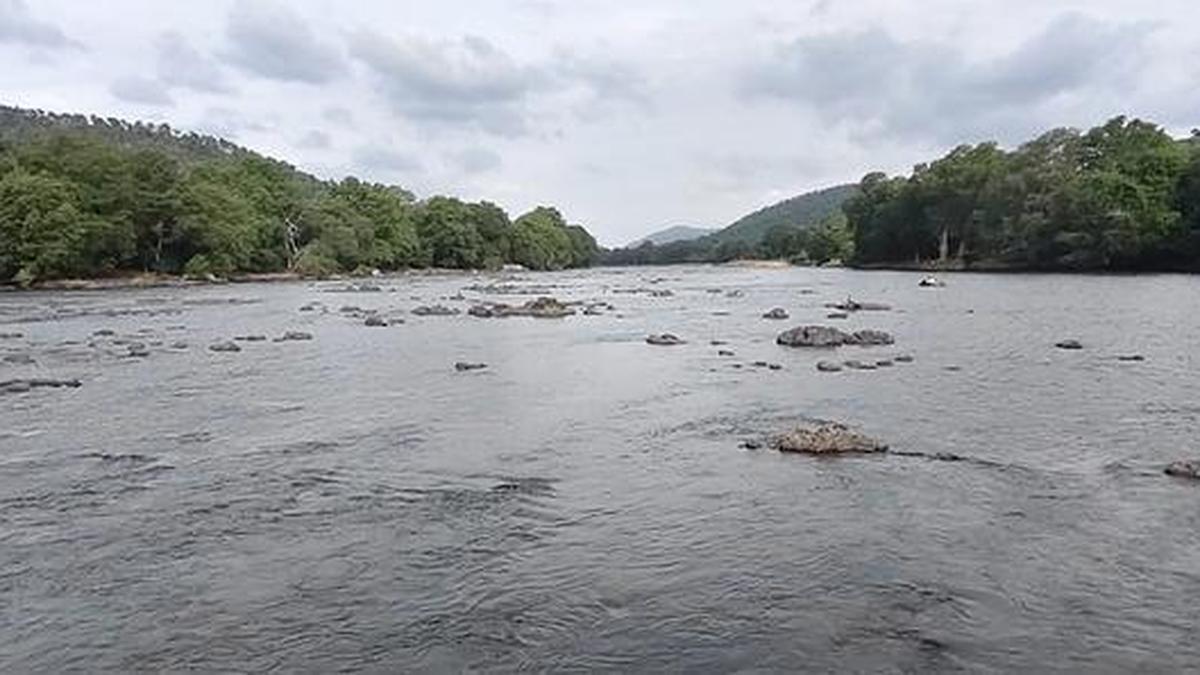
The Cauvery Water Management Authority (CWMA), convened in Delhi on August 11, 2026, accepted and supported the Cauvery Water Regulation Committee (CWRC) decision to instruct Karnataka to discharge the Cauvery river water at 12,000 cusecs daily for 15 days to its neighboring Tamil Nadu. This implies Karnataka must supply close to 15.55 thousand million cubic feet (tmc ft) of water, as 11,574 cusecs flow in 24 hours equates to one tmc ft.
Karnataka Chief Minister D.K. Shivakumar indicated that a decision on further actions would be made after evaluating Karnataka's water situation. He emphasized the importance of safeguarding the state's farmers' interests while adhering to the CWMA and CWRC directives. He is scheduled to convene a meeting with legal experts and officials on August 12, 2026, to discuss possible legal options. CWMA chairperson Saumitra Kumar Haldar later informed The Hindu that Karnataka "is in a comfortable position" to meet the CWRC order.
The CWMA reached this decision after evaluating the reservoir storage, inflows, and the meteorological forecast for the upcoming week. Karnataka had previously requested the CWMA to postpone any further release decision and make a well-informed decision after the Southwest monsoon season. Karnataka stated that the Cauvery river basin is experiencing "severe hydrological distress," with its four reservoirs receiving only 77.746 tmc ft of water this year, which is approximately 47% less than the 30-year average.
The inflows to these reservoirs are dwindling, according to Karnataka. Karnataka also argued that it had already provided 86,942 cusecs at Biligundlu, exceeding the CWMA's prescribed 52,500 cusecs. This additional flow would likely result in a greater quantity reaching Tamil Nadu, as more flow is already in transit.
Karnataka contended that there was no room for further water release to Tamil Nadu, given its own water deficit due to a distressing monsoon, declining inflows, and limited storage. On the other hand, Tamil Nadu's position was that it was "in an advantageous position" as it already had sufficient water storage in its reservoirs, along with the upcoming northeast monsoon and possible downstream flows.
Karnataka demanded a more comprehensive system to assess distress based on the basin's overall condition, rather than solely relying on Karnataka's reservoir inflows.
Written by urgent.news from The Hindu's reporting — not their text. Machine-written — may contain errors; check the original before relying on it.