China Has Chosen to Disappoint Its Consumers
Beijing’s choice moves Washington’s leverage from tariffs to currency.
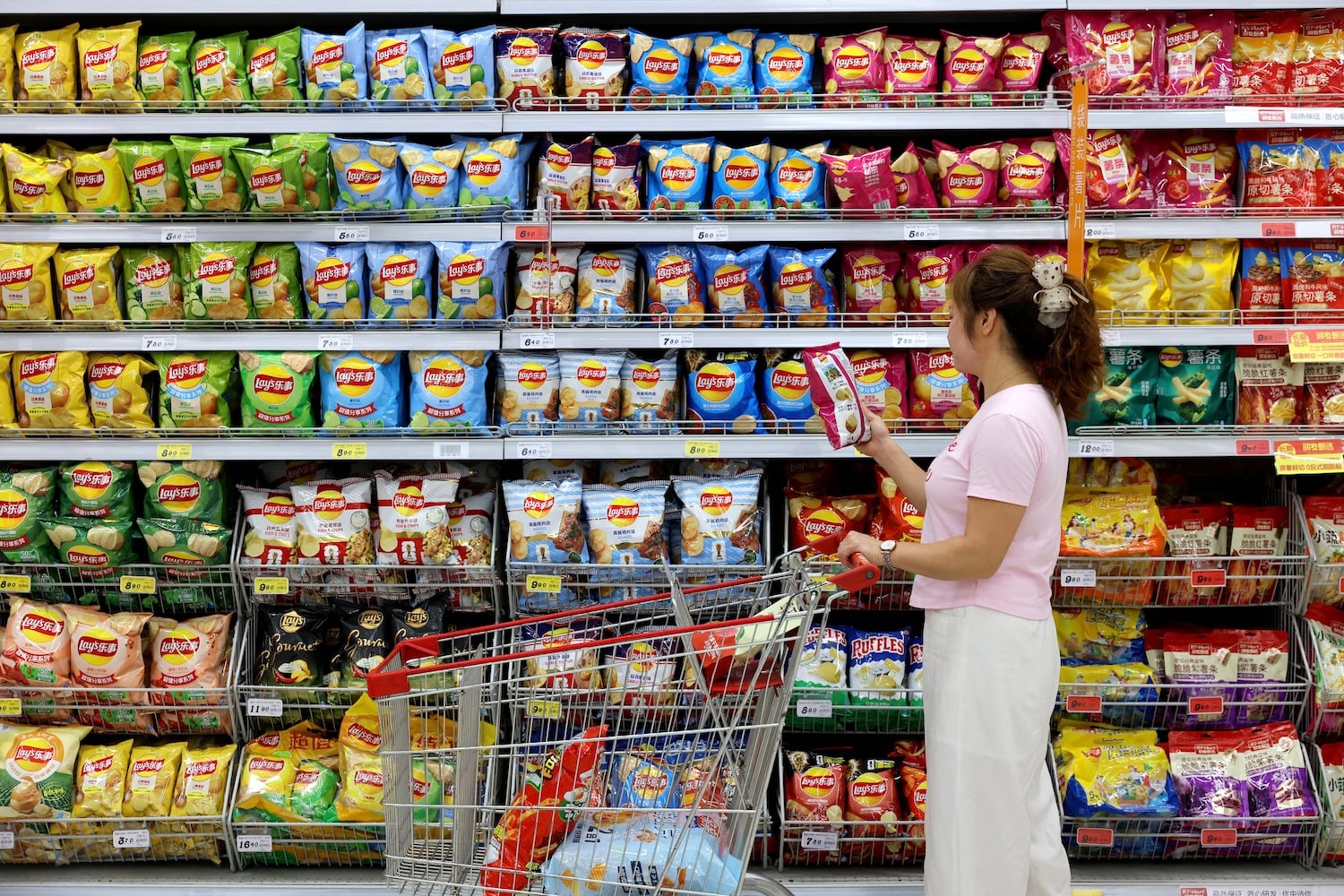
China has opted to disappoint its consumers, a fact that is evident from the disappointing economic indicators presented by the Politburo on July 30 for the second half of 2026. Retail sales grew by only 1.3 percent year-on-year, while the economy expanded by 4.7 percent. Consumer prices rose by just 1 percent, a figure that has remained stable since February. Despite a technology-driven stock market rally in the spring, the market fell in mid-July, triggering a meeting of the Politburo to discuss economic strategy.
The Politburo's decision to further deepen China's "AI plus" initiative, push for breakthroughs in frontier technology, and build new pillar industries, including six national networks, necessitates significant investment. However, this plan, valued at over 7 trillion yuan, lacks the "special initiatives to boost consumption" that were part of the July 2025 statement.
The 2026 report instead advises officials to expand domestic demand through better tailoring of supply and boosting service consumption, echoing the April 2026 statement.
The imbalance between tech and exports, which has grown since the 2025 statement, has been exacerbated by the neglect of the consumer sector. Some analysts have described China as a "slow tech dragon," pointing to misallocation of resources that have resulted in real breakthroughs but also waste. The household sector, however, is considered a casualty of this error, as it is viewed as a cost rather than an asset by the Chinese leadership.
This view is supported by the International Monetary Fund's 2024 review, which recommended spending around a trillion dollars to address the country's unfinished presold apartments. Despite this advice, Beijing has not increased spending on social services, opting instead to rely on fiscal sustainability.
The Chinese government has also resisted direct transfers of funds to consumers, citing Xi Jinping's 2021 essay on common prosperity, which warns against welfare measures that could lead to a culture of dependency. Instead, the state has introduced a scheme where consumers can trade-in their old cars and appliances for new, subsidized products. This year's five-year plan continues this scheme, essentially making the household a channel through which state money passes to manufacturers, rather than an end in itself.
The effect of this approach can be seen in the stock market, which rallied in mid-July following the release of the new AI model, Kimi K3. However, this momentum was short-lived as the market fell sharply the following day, with the ChiNext board dropping more than 8 percent. State capital operators also made significant purchases of technology shares and funds holding them, demonstrating the government's confidence and willingness to support the tech sector.
However, this strategy has not been without its challenges, as evidenced by the STAR 50 index falling more than 5 percent on the morning of the Politburo meeting.
Written by urgent.news from Foreign Policy's reporting — not their text. Machine-written — may contain errors; check the original before relying on it.