China detains Japanese executives in dual-use technology export probe: report
China has detained several Japanese nationals, including top executives of companies with offices in China, for allegedly violating export restrictions on dual-use goods, Japanese newspaper The Mainichi said, citing multiple sources. Dual-use items comprise goods, software and technologies with both civilian and military applications, including critical minerals essential for manufacturing drones…
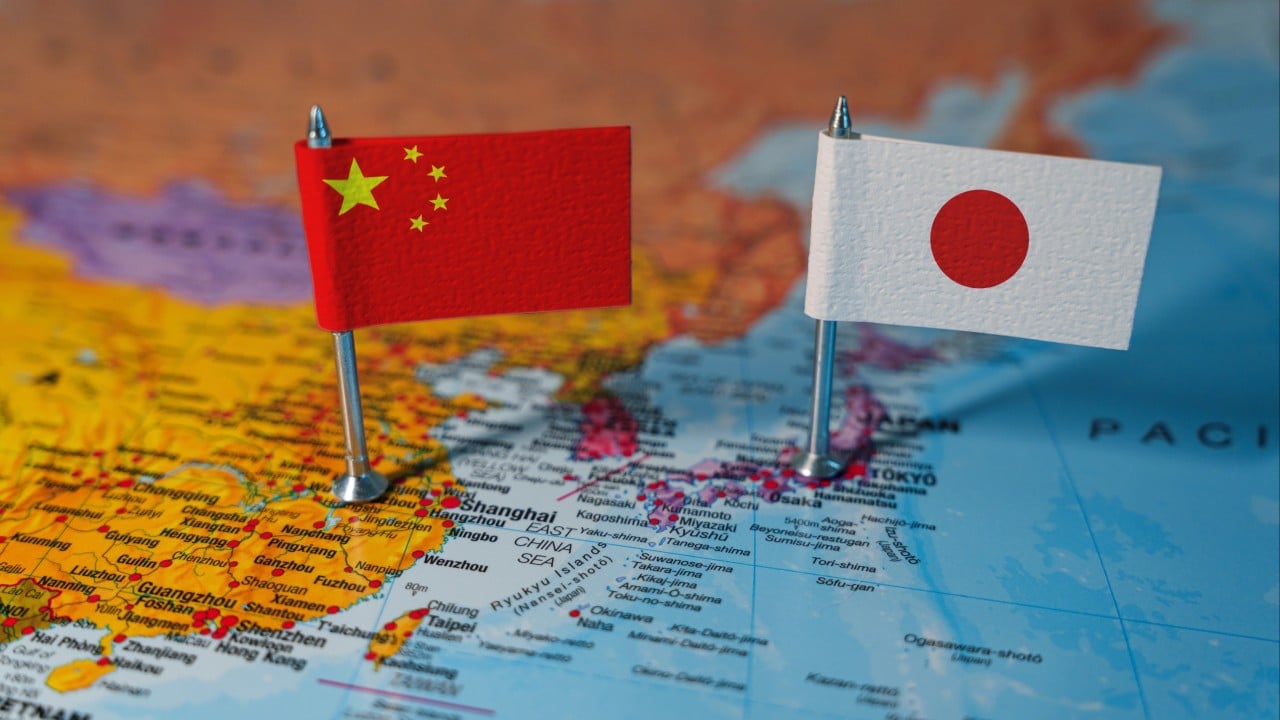
Chinese authorities have detained several Japanese executives, including top officials from companies operating within China, according to The Mainichi newspaper. This comes after a series of enforcement actions targeting Japanese firms, including frequent on-site inspections and interrogations of personnel. The detained individuals are accused of violating export restrictions on dual-use goods, which can be utilized for both civilian and military purposes.
Dual-use items encompass a wide range of products, including critical minerals essential for manufacturing advanced technologies such as drones and semiconductors. Some of the detained individuals were apprehended upon entering China to aid in official investigations, as reported by the newspaper. The Chinese foreign ministry has not confirmed these cases but stated that any criminal investigations are conducted in accordance with the law.
This latest detention follows similar actions taken against Japanese nationals in the past, such as the apprehension of two Japanese workers linked to a heavy electrical machinery group in Dalian, Liaoning province, over alleged rare earth export violations in May. In late June, China detained two more Japanese nationals for alleged legal violations, with Tokyo informing Japan that they were suspected of smuggling banned items.
In July, the Japanese embassy in China issued a warning about the strengthening of China's export controls on dual-use items, urging Japanese companies to exercise caution and contact the Japanese business support office for guidance if suspected of involvement in such activities. Tensions between China and Japan have been escalating, particularly after Japanese Prime Minister Sanae Takaichi suggested that an attack on Taiwan could warrant Japanese military intervention, a stance Beijing vehemently opposes.
Beijing regards Taiwan as an integral part of its territory and has not ruled out using force to achieve this goal. Despite repeated protests from Beijing, Japan's prime minister has not withdrawn her statement. The diplomatic strain between the two nations further deepened in June when China added another 20 Japanese entities to its export-control list, citing concerns over the entities' role in enhancing Japan's military capabilities.
Written by urgent.news from South China Morning Post's reporting — not their text. Machine-written — may contain errors; check the original before relying on it.