Ceuta: lecciones de una catástrofe
Europa necesita un proyecto claro: que en 2027 no haya más muertes ni más llegadas irregulares en el Mediterráneo
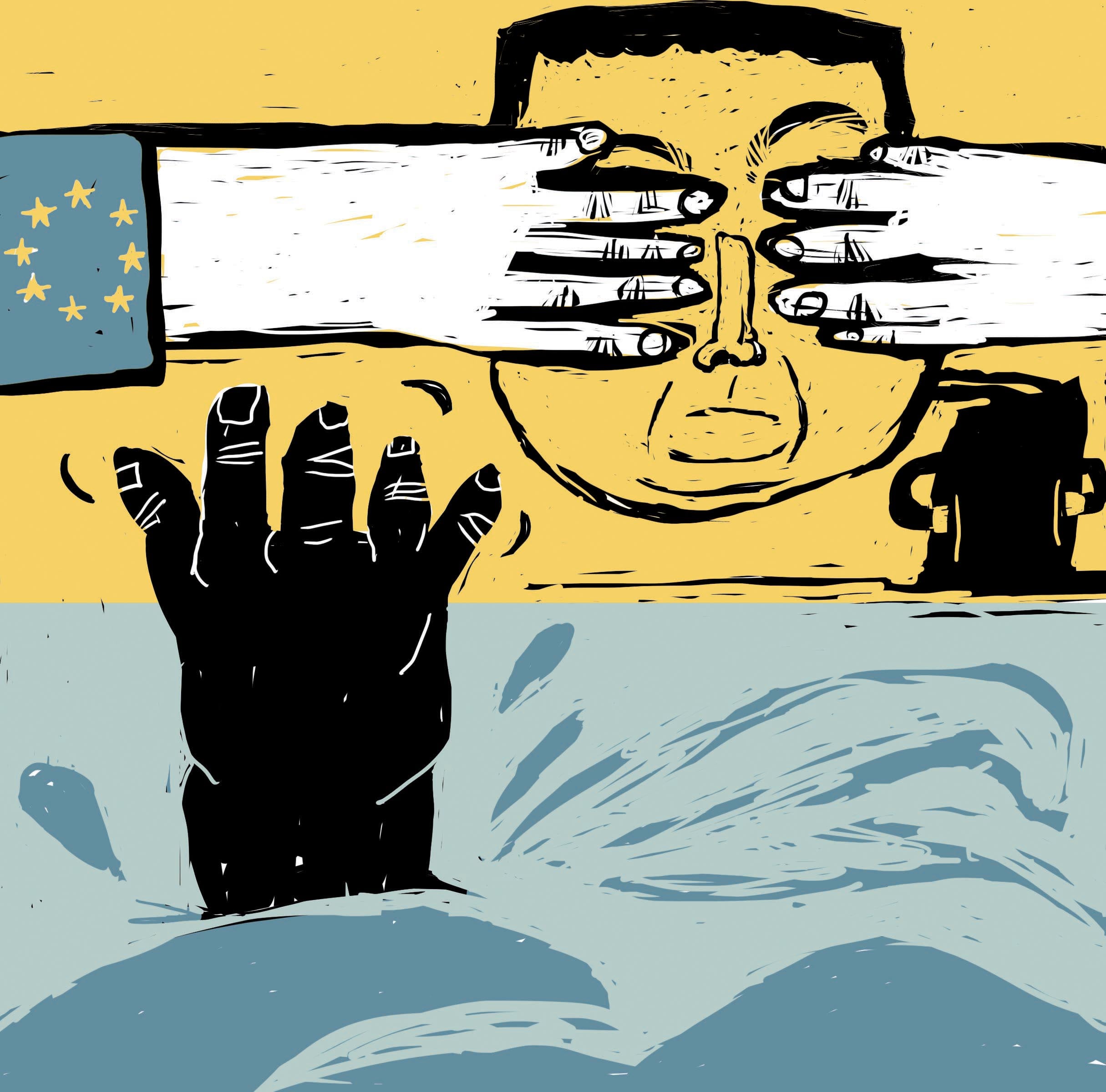
The images from Ceuta in recent times have shaken the confidence in European migration policies across the continent and provided arguments for political forces determined to end the protection of human rights throughout the EU. Meanwhile, bodies continue to be recovered from the sea. The tragedy has claimed over 70 lives, perhaps many more.
What remains is sorrow, shock and unanswered questions. How could this happen? And how can we prevent a repetition of this tragedy, here and elsewhere on the deadly Mediterranean border of the EU? Statistics show that the events in Ceuta were an exception. In all of 2025, only 3,500 people arrived in the city; of all of Africa, only 37,000 arrived in Spain.
In the first half of 2026, fewer than 50,000 people from all of Africa and the Middle East arrived in Greece, Italy and Spain. No, the European Union is not suffering a migratory avalanche from Africa. In 2015, those who crossed to Greece were mainly refugees, and most of them later had that status recognized. This time, most of those who crossed the border were young Moroccan men.
Almost all returned to Morocco a few days later. Initial reactions to the crisis across the EU were driven by a sense of panic and were confused and unjust. Italy demanded that Spain be expelled from the Schengen area, a ridiculous demand. In 2025, around 67,000 people arrived irregularly in Italy, compared to the 37,000 who arrived in Spain.
One of the goals of the Common European Asylum System, recently reformed, is to discourage people from heading towards other countries; despite this, no Interior Minister referred to it. Under EU law, anyone who has entered and continues on to another EU country can be forced to return to Spain. In 2025, France succeeded in transferring around 1,900 people back to Spain, and none to Italy.
Germany transferred 900 to Spain and one to Italy. The accusation by other Member States that Spanish regularization of migrants already living in the country triggered the avalanche in Ceuta does not hold up to examination. The measure was announced in January. In the months that followed, irregular arrivals to Spain continued to decline, as had happened after each of the six previous Spanish regularizations.
The regularization applies to those already in Spain, mostly Latin Americans who had entered legally by plane. Those who claim a relationship must explain why the figures have gone down since January and why they have dropped in previous occasions. Now only minors and non-Moroccan migrants remain in Ceuta. The EU laws and the Convention on the Rights of the Child, both valid throughout Europe, stipulate very clearly that unaccompanied minors can be returned if, in their country of origin, they are handed over to a relative, a designated guardian or an appropriate reception center.
This is what needs to be organized now. It would be absurd to say that a child's best interest is automatically to remain alone in Spain or the EU when they have a family waiting for them in their country of origin. Moreover, ignoring the human rights at stake would be dangerous populism. The extraordinary meeting of EU Interior Ministers on August 4 yielded several statements, but still lacked a commitment to investigate what happened in Ceuta and draw the appropriate lessons.
Moreover, the EU urgently needs an achievable goal that goes beyond the next crisis meeting. It is about preventing a second case like Ceuta from occurring at all EU external borders and drastically reducing irregular migration throughout the Mediterranean. Above ideologies, there is a principle that should be indisputable: to discourage minors and adults from crossing deadly dangerous borders irregularly.
And this is the basis of the Spanish and European failure in the Mediterranean. Over 2,000 people lost their lives last year while crossing the sea on the way to Europe. Since June 12, 2026, there is the instrument to put an end to this situation: the new EU regulation that, for the first time, allows signing agreements with third countries anywhere in the world on examining asylum applications.
What the whole of Europe now needs is a Project Zero, with a clear and ambitious goal: that in 2027 there are no more deaths or irregular arrivals in the Mediterranean. And to achieve this without restricting the right of asylum. The progressives, Christian Democrats and liberals should approve the humanitarian control as the alternative to Trump-style deterrence.
This week, former Iraqi President Barham Salih, currently High Commissioner for Refugees at the UN, defended this position in The Economist, calling for salvation of the Convention on the Status of Refugees. States, he argued, must collaborate; responsibility-sharing agreements, including transfers to safe third countries where refugees enjoy full protection, are an orderly alternative to dangerous and irregular journeys.
When the guardian of the Refugee Convention says something like that, Europeans should listen. Without implementing these measures, Ceuta will remain a catastrophe.
Written by urgent.news from El Pais's reporting — not their text. Machine-written — may contain errors; check the original before relying on it.