CDC Warns of Severe Arboviral Disease With B-Cell Drugs
(MedPage Today) -- The CDC on Tuesday warned doctors about the risk for severe arboviral neuroinvasive disease in patients on B cell-depleting or modulating agents, calling out anti-CD20 monoclonal antibodies in particular. Published case reports...
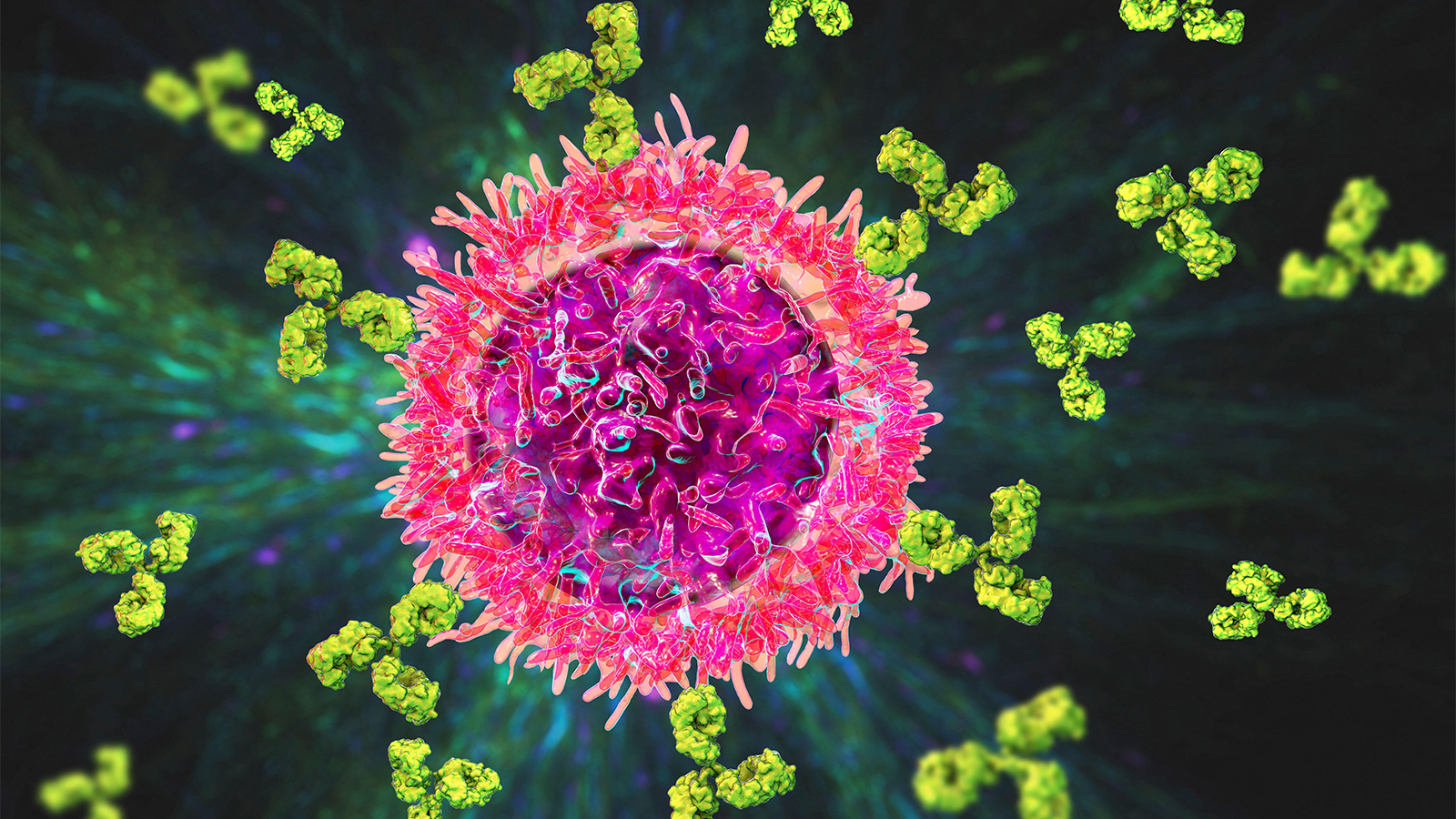
On Tuesday, the CDC issued a warning to physicians regarding the potential for severe arboviral neuroinvasive disease in patients undergoing B-cell-depleting or modulating drugs. Specifically, the agency highlighted the risks associated with anti-CD20 monoclonal antibodies, such as those used to treat leukemia, lymphoma, multiple sclerosis, and rheumatoid arthritis.
Published case reports suggest a roughly 40% mortality rate for patients on anti-CD20 antibodies who develop arboviral neuroinvasive disease, and survivors often experience neurologic complications. West Nile virus was the most common virus implicated in these cases, but eastern equine encephalitis, Powassan, La Crosse, and other arboviruses were also involved.
In recent years, a novel presentation of chronic, neurodegenerative encephalitis has emerged in at least five patients on rituximab who were infected with an orthobunyavirus, including Jamestown Canyon virus, Cache Valley virus, or Potosi virus. The CDC issued a Health Alert Network advisory on this development.
Arboviral viruses are transmitted by arthropods, primarily mosquitoes and ticks, and commonly cause subclinical infections. Symptoms, when present, can range from acute febrile illness to encephalitis or acute flaccid myelitis.
Beyond rituximab, the anti-CD20 monoclonal antibodies include ocrelizumab (Ocrevus), obinutuzumab (Gazyva), ofatumumab (Kesimpta), ublituximab (Briumvi), and ibritumomab tiuxetan (Zevalin). These drugs are used to treat a variety of conditions, including leukemia, lymphoma, multiple sclerosis, and rheumatoid arthritis. During the early stages of the pandemic, anti-CD20 agents were also associated with poorer COVID-19 outcomes.
The CDC emphasized that patients with arboviral disease and compromised immune systems may exhibit a prolonged incubation period or atypical symptoms, potentially leading to delayed presentation. There are currently no approved vaccines or treatments for the endemic arboviral viruses in the U.S., such as West Nile virus. Other common arboviruses transmitted by mosquitoes include chikungunya, dengue, and Zika, while Oropouche virus is primarily spread by biting midges and Powassan virus by ticks.
The CDC advised physicians to educate patients about the risks of severe arboviral disease when starting immunosuppressive therapy, including B-cell-depleting drugs. Additionally, physicians should educate patients about preventive measures for mosquito and tick bites. If an arboviral disease is suspected in a patient presenting with febrile or neurologic symptoms, the CDC recommended molecular testing using RT-PCR or metagenomic next-generation sequencing to detect viral RNA, with the preferred specimen depending on the clinical presentation and laboratory conducting the testing.
Written by urgent.news from MedPage Today's reporting — not their text. Machine-written — may contain errors; check the original before relying on it.