Building the Moon Base: NASA Stories at the Ion
As NASA prepares to return astronauts to the lunar surface for longer stays and increasingly complex operations, building the Moon Base will require new ideas, advanced technologies, and expertise across many fields. During NASA Stories at the Ion on July 30, Shatel Bhakta, principal systems engineer for NASA’s Moon Base Program, presented “Building the Moon Base: Challenges and Opportunities at…
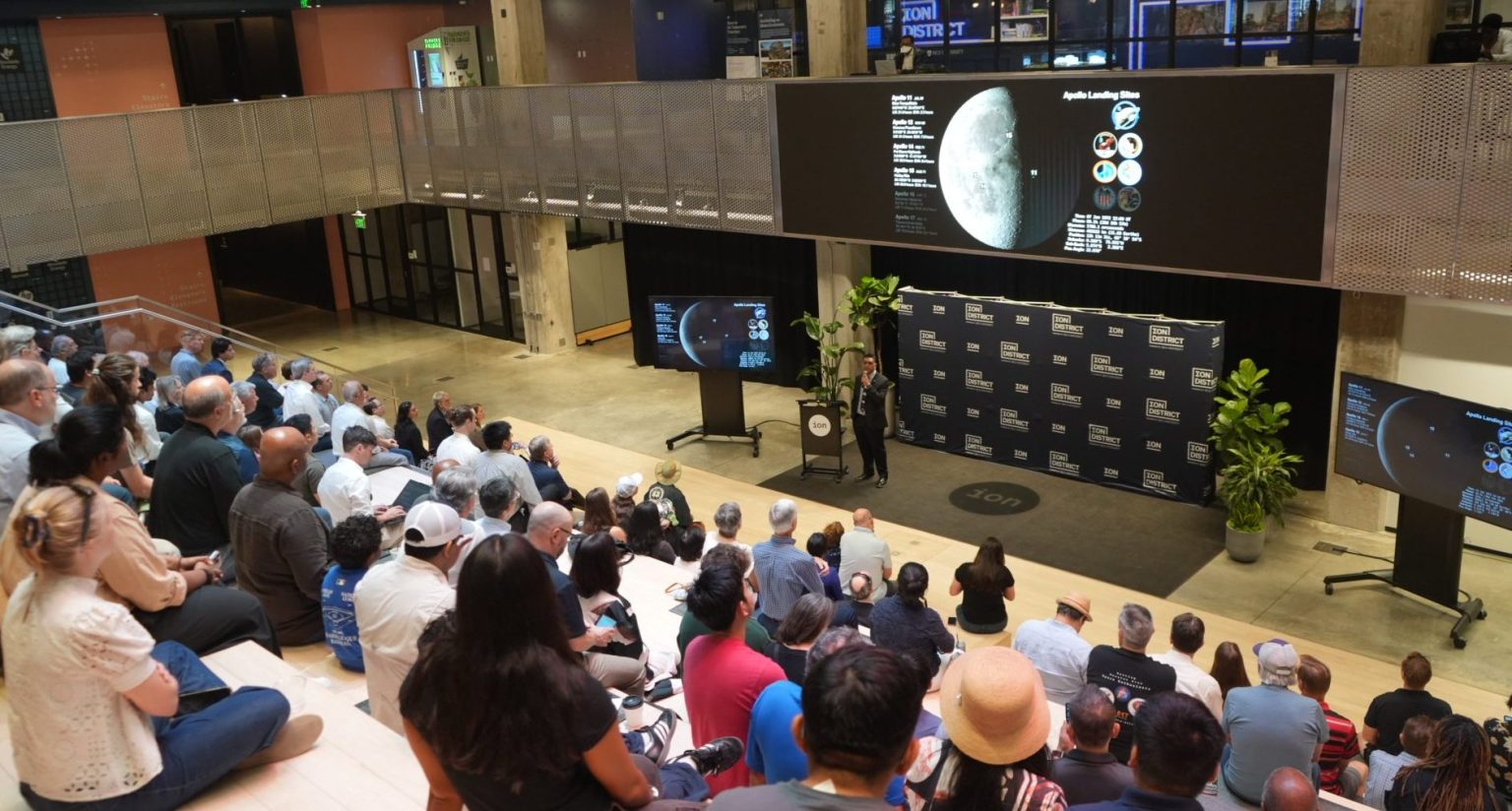
NASA's Moon Base Program, led by Shatel Bhakta as principal systems engineer, was showcased at NASA Stories at the Ion in Houston on July 30, 2026. The Moon Base will necessitate innovative concepts, advanced technologies, and interdisciplinary expertise for its establishment. During the event, Bhakta highlighted the challenges and opportunities associated with building the Moon Base at the lunar South Pole.
The Moon Base Program aims to facilitate long-duration human exploration by initially conducting robotic missions and technology demonstrations. These early steps will help NASA gather data, test systems, and mitigate risks before expanding infrastructure and human activities on the Moon. Bhakta emphasized that the endeavor will be unprecedentedly challenging, necessitating collaboration between NASA and commercial and international partners to develop solutions for operating in extreme conditions.
The lunar South Pole, unlike Apollo landing sites, features steep slopes, deep craters, and varying lighting conditions throughout the year. The low Sun angle creates shifting shadows, complicating navigation and reducing sunlight accessibility for solar panels, thereby intensifying the need for energy storage and alternative power sources.
The rugged terrain also poses difficulties for crew movement, rover operations, and communication between the Moon Base and Earth due to the lack of a clear line of sight. Bhakta clarified that the Moon Base may not comprise a single cluster of connected structures, as terrain, lighting, power, and landing constraints could necessitate the distribution of habitats and systems across the lunar surface.
Written by urgent.news from NASA's reporting — not their text. Machine-written — may contain errors; check the original before relying on it.