Breaking: Reserve Bank keeps interest rate at 4.35pc
The Reserve Bank has kept interest rates on hold at its August meeting, after three rate hikes earlier this year.
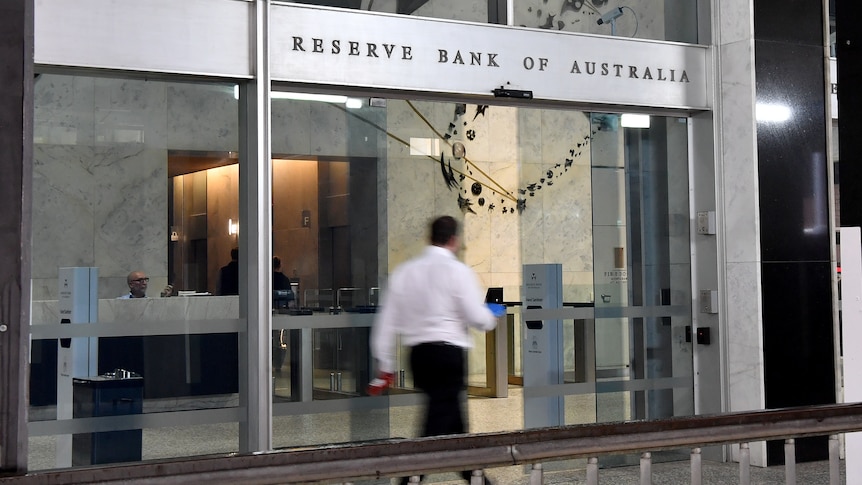
The Reserve Bank of Australia (RBA) has maintained its interest rate at 4.35 per cent. June's headline inflation rate showed a slight cooling, while property prices declined slightly more than expected. However, underlying inflation pressures remain elevated. The Monetary Policy Board will convene again on September 28-29 to discuss potential changes.
The decision to keep rates on hold was unanimous. Despite headline inflation cooling, economists warn that underlying inflation remains too high, suggesting possible interest rate increases in the future. For the next seven weeks, the cash rate target will stay at 4.35 per cent. The RBA's statement highlighted that inflation is likely to stay high for some time, driven by disruptions in global oil supply and higher fuel prices affecting other goods and services.
This inflationary pressure, combined with capacity constraints in the economy, has led to tighter financial conditions and a slowing economy, as anticipated. Although the Board anticipates inflation to return to its target range around late 2027, there are potential upside risks to this projection. With monetary policy deemed somewhat restrictive, the Board decided to maintain the cash rate target while monitoring the economy's developments.
Written by urgent.news from ABC News AU's reporting — not their text. Machine-written — may contain errors; check the original before relying on it.
Also reported by 2 other outlets
- Bank of Korea deputy governor signals more rate hikes on inflation risk businesstimes.com.sg
- Bank of Korea likely to raise interest rates further, outgoing deputy chief says channelnewsasia.com