Brain imaging study links childhood trauma to chronic procrastination in adulthood
Childhood trauma can leave a lasting mark on brain development. A new study reveals how these early neurobiological changes elevate anxiety and reduce self-control, paving the way for chronic procrastination in adulthood.
A recent study published in the journal NeuroImage suggests that childhood trauma may be linked to chronic procrastination in young adults. Researchers at Southwest University in China scanned the brains of over a thousand participants, revealing how trauma-related changes in neural networks could contribute to increased anxiety and reduced self-control, ultimately fostering a tendency to delay tasks.
Procrastination is typically viewed as a failure of self-control; individuals may delay unpleasant tasks to temporarily alleviate negative emotions, a phenomenon known as the short-term emotion repair theory. Childhood trauma, such as abuse or neglect, can disrupt the development of brain systems responsible for emotion and cognitive control, making individuals more sensitive to negative emotions and less capable of suppressing immediate impulses for future rewards.
The research team, led by psychologist Tingyong Feng, divided participants into two groups of undergraduate students—760 in the discovery group and 429 in the validation group—without a history of psychiatric disorders. All participants completed questionnaires assessing their history of abuse or neglect, tendency to procrastinate, trait anxiety, and baseline self-control.
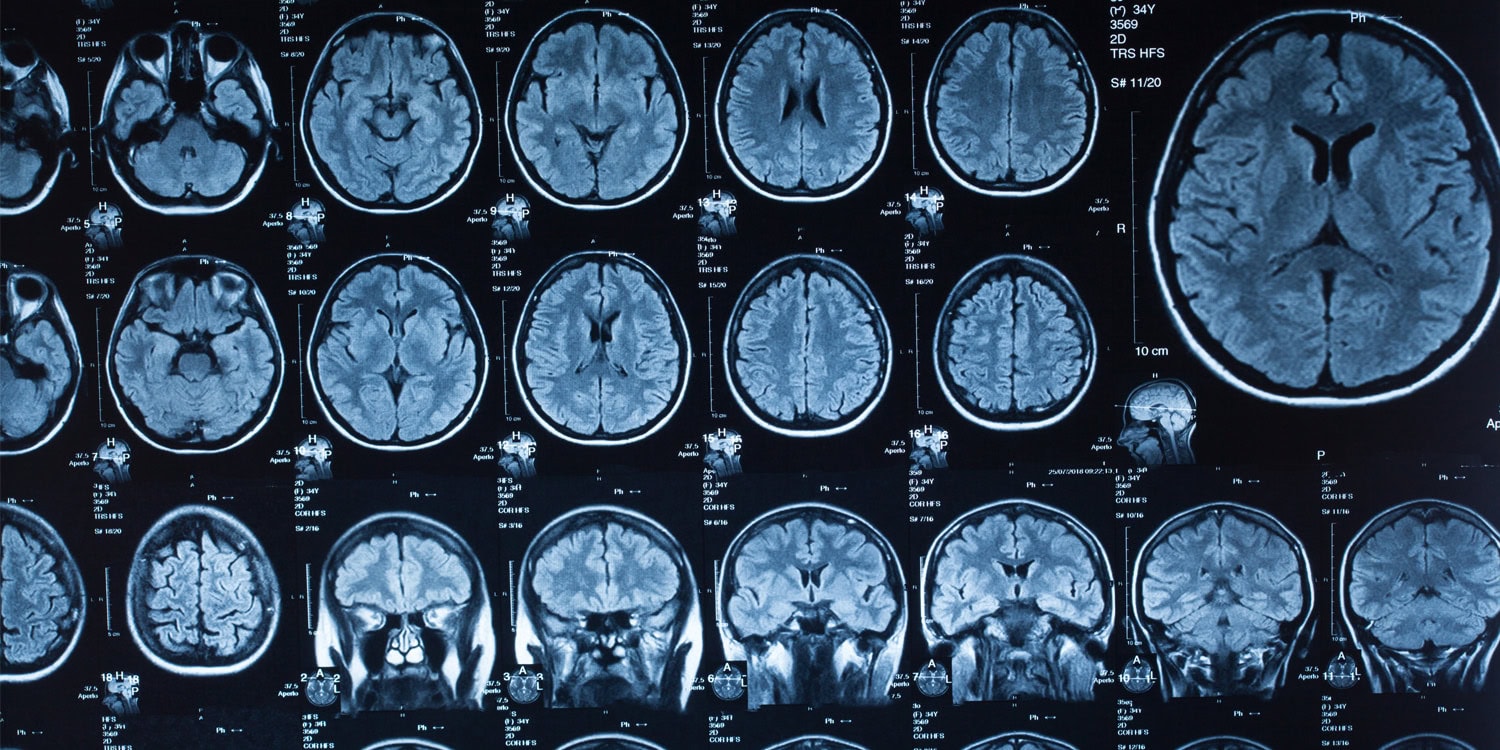
They then underwent functional magnetic resonance imaging (fMRI) to measure brain activity while resting. The researchers focused on the connections between 268 different brain regions and found that higher childhood trauma scores predicted higher procrastination levels. Trait anxiety and self-control acted as mediators between childhood trauma and procrastination.
The study identified specific brain connectivity patterns associated with childhood trauma, particularly weaker connectivity in the prefrontal cortex, which is crucial for long-term goal maintenance, and stronger connections between the salience network and visual areas, indicating a heightened threat-detection system. These findings suggest that childhood trauma may alter brain networks responsible for self-control and emotional regulation, contributing to chronic procrastination.
However, the study's cross-sectional design prevents it from establishing a direct causal relationship.
Written by urgent.news from PsyPost's reporting — not their text. Machine-written — may contain errors; check the original before relying on it.