Bihar liquor ban: Study flags revenue loss, illicit trade, drug use; politics may block repeal
Amid calls for a review of Bihar's liquor prohibition, key political allies express support for its continuation. A recent study highlights significant revenue losses related to the ban and suggests regulating alcohol sales to curb the illicit market.
A recent study conducted by the National Council of Applied Economic Research (NCAER) has recommended that Bihar should end its prohibition on liquor. The study, conducted as the state marked 10 years of complete prohibition on alcohol sales, found that the ban has resulted in significant revenue losses and failed to achieve its main objective of reducing crimes against women.
Former Chief Minister Nitish Kumar introduced the prohibition policy in an attempt to curb crimes against women, but according to the study, the policy has not been successful over the past decade.
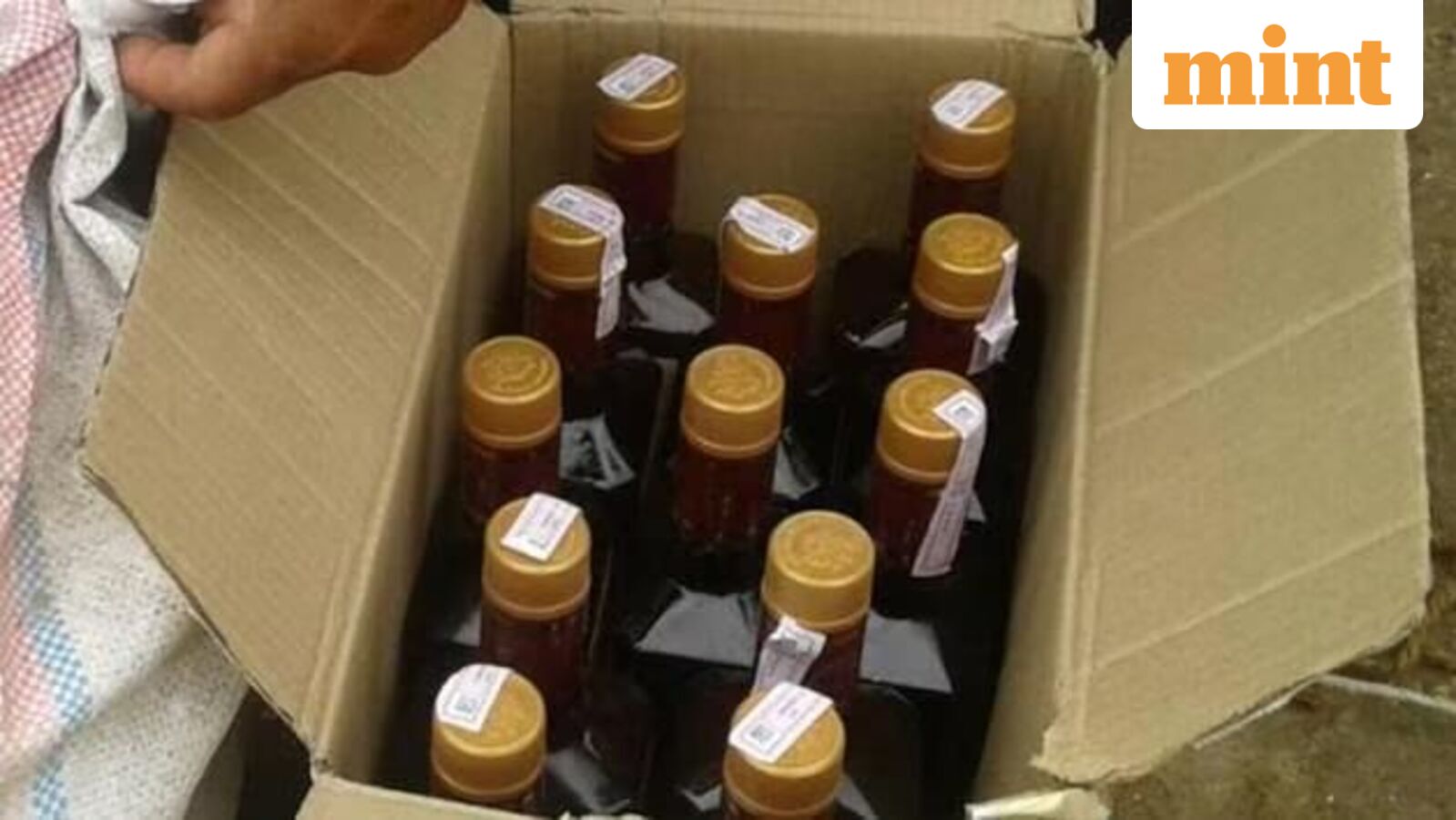
The research, titled "Macro perspective of Bihar’s development achievements: Unfinished agenda and the way forward," estimated that Bihar loses around 14% to 15% of its revenue each year due to the prohibition. The study highlighted the emergence of an illicit alcohol market, alongside increased consumption of alternative intoxicants, as a consequence of the ban.
Reinstating excise duty on liquor sales could help generate crucial tax revenue for sectors such as education, health, infrastructure, and job creation, the report suggested.
Opposition political parties, including the JD(U) and the Lok Janshakti Party (Ram Vilas), have criticized the BJP-led government for failing to effectively implement the prohibition policy. They argue that the policy has resulted in a parallel black liquor economy and is detrimental to both the state's revenue and the welfare of women. The government might find it challenging to reverse the policy despite the potential revenue gains, as senior leaders from key allies show little interest in ending prohibition.
Written by urgent.news from Live Mint's reporting — not their text. Machine-written — may contain errors; check the original before relying on it.