Australia’s cuttlefish gathering crashes from 100,000 to fewer than 10
Giant Australian cuttlefish at Point Lowly faced a drastic population plunge in 2026, with researchers noting less than ten cuttlefish spotted per dive, a historic low. The downturn is potentially tied to an algal bloom in South Australia, which may have adversely affected the cuttlefish or diminished their food availability. Conservation initiatives and a tourism moratorium have been established…
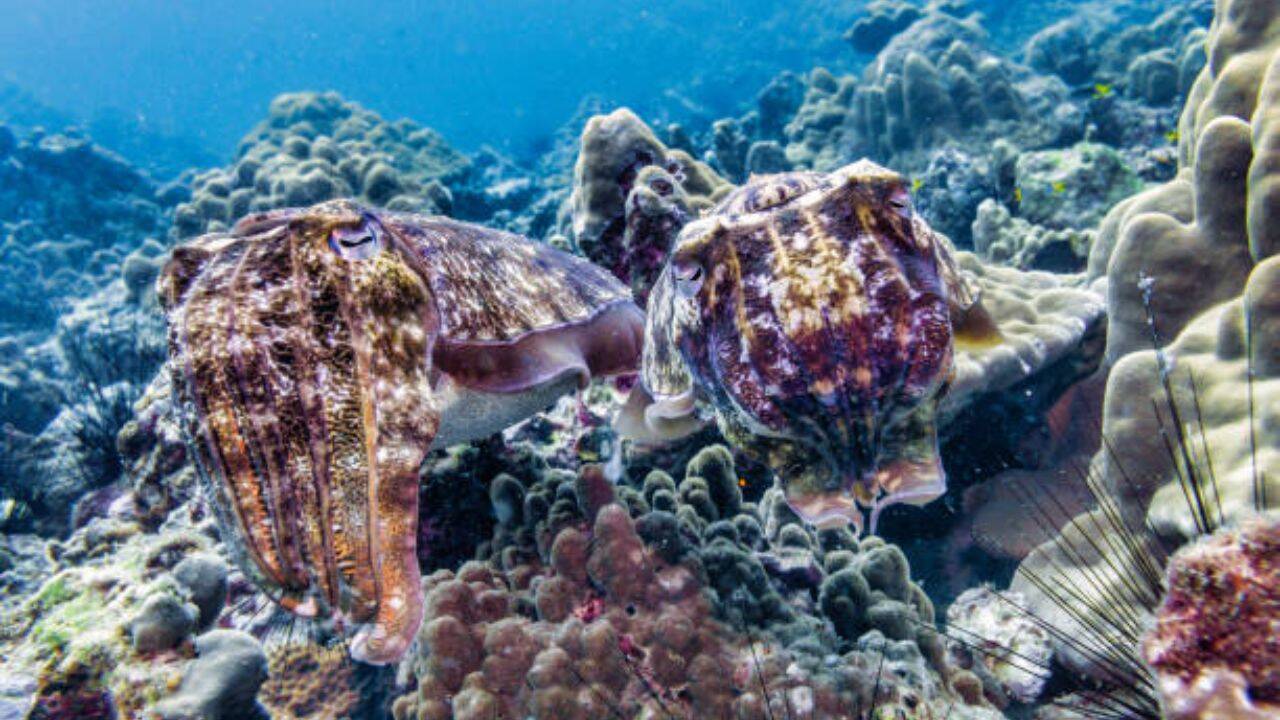
Every winter, Australia's only cuttlefish gathering occurs along the rocky coastline of Point Lowly, northeast of Whyalla, South Australia. The spectacle involves over 100,000 giant Australian cuttlefish, the world's largest cuttlefish species, displaying vibrant colors and shifting shapes in an attempt to attract a mate. This unique event attracts thousands of visitors who brave freezing water temperatures to witness the phenomenon.
Giant Australian cuttlefish are cephalopods, a group of advanced mollusks that also includes octopuses, squid, and nautiluses. The adult cuttlefish typically congregate in small groups to mate, but at Point Lowly, a single, large mating aggregation forms along an 8-kilometer (5-mile) stretch of shallow reef. The cuttlefish life cycle lasts about a year; they lay eggs in winter, which hatch in spring, and juveniles grow in deeper waters before returning to the aggregation site in summer and autumn.
After mating, all adult cuttlefish die, making the next generation dependent on the mating success of the previous year. The particular population of giant Australian cuttlefish in Point Lowly is genetically distinct from those found elsewhere in the country and is considered a rare natural phenomenon and National Heritage-listed.
In May and June 2026, tourism operators reported a significant decline in cuttlefish numbers, with fewer than 10 cuttlefish seen per dive in areas where typically 100 or more were present. The South Australian government confirmed this reduction in July through regular surveys of the aggregation. While cuttlefish numbers had declined in 2013, the 2026 numbers were unprecedented.
Researchers are calling the situation alarming, emphasizing that the cuttlefish simply did not show up. Cuttlefish possess an internal shell called the cuttlebone, which aids in buoyancy and allows them to adjust their position in the water column. They primarily feed on small mollusks, crabs, shrimp, fish, octopuses, and worms, capturing their prey using suckers attached to their tentacles.
Their exceptional vision, aided by highly concentrated sensor cells on their retinas and a W-shaped pupil, provides them with an extensive field of vision. Cuttlefish lay eggs on seagrass leaves, which offer a safe nursery environment from predators. They play a vital role in the ecosystem, maintaining balance in the marine food web as both active predators and essential prey.
The plausible causes for the 2026 decline remain uncertain, but researchers consider the South Australian algal bloom, water temperature changes, and other aspects of cuttlefish biology as potential factors. A 90-day tourism ban was imposed by the state government, which aided the remaining cuttlefish in surviving the crisis. In addition, a working group of researchers, experts, and tourism operators has been established to review the conservation status of the giant Australian cuttlefish population at Point Lowly.
Written by urgent.news from Times of India's reporting — not their text. Machine-written — may contain errors; check the original before relying on it.