As Singapore culls ‘nuisance’ birds, rapid urbanization continues to fuel an avian boom
SINGAPORE — On a Friday afternoon in July, a pest control officer patrols the grounds of Sungei Tengah Lodge, Singapore’s largest dormitory for migrant construction workers, picking up birds in various stages of distress. Some are twitching, others are wobbling, as if drunk. The officer tosses the birds, which he had poisoned with baited scraps […]
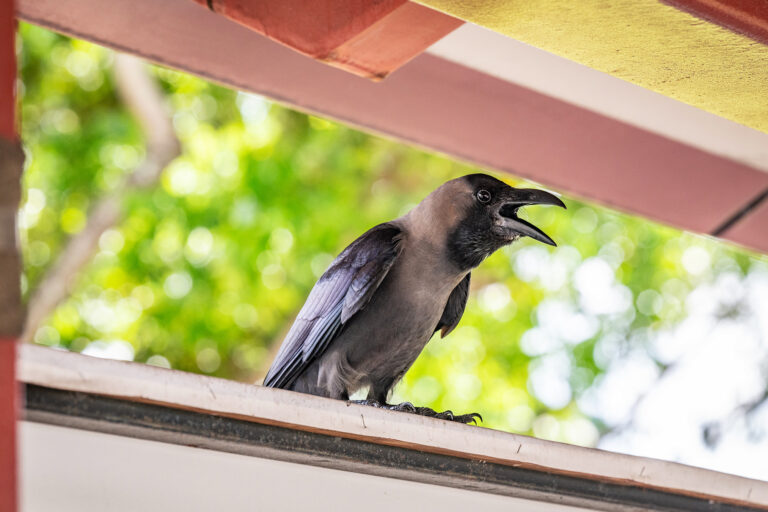
In Singapore, authorities have resumed culling "nuisance" birds, as rapid urbanization continues to fuel an avian population boom. The culling of common pigeons, Javan mynas, and house crows is seen as a means of controlling pests that are noisy and pose a threat to public health and local biodiversity. The government's renewed program to shoot crows comes after a six-year break, sparked by an increase in complaints about the birds attacking people.
The practice of poisoning birds with baited scraps, followed by gassing them with carbon dioxide, is touted as a humane method of control by authorities, though animal welfare groups dispute this claim. Ecologists, however, remain skeptical about the long-term efficacy of these efforts, pointing to Singapore's rapid urbanization and the loss of forests to high-rise buildings as contributing factors to the thriving avian population.
Birds targeted in the culling are not protected under the Wildlife Act and are routinely culled in response to public complaints.
Written by urgent.news from Mongabay's reporting — not their text. Machine-written — may contain errors; check the original before relying on it.