Apple Reportedly Developing A Photo Authentication Tool For iOS 27
iOS 27 is slated for a public launch sometime in September, and as Apple previously revealed, it will include a variety of AI-focused features. Of course, with the heavy emphasis on AI, there may be some concerns surrounding these tools, particularly those meant for generating images. To address this, the bitten fruit brand may be […] The post Apple Reportedly Developing A Photo Authentication…
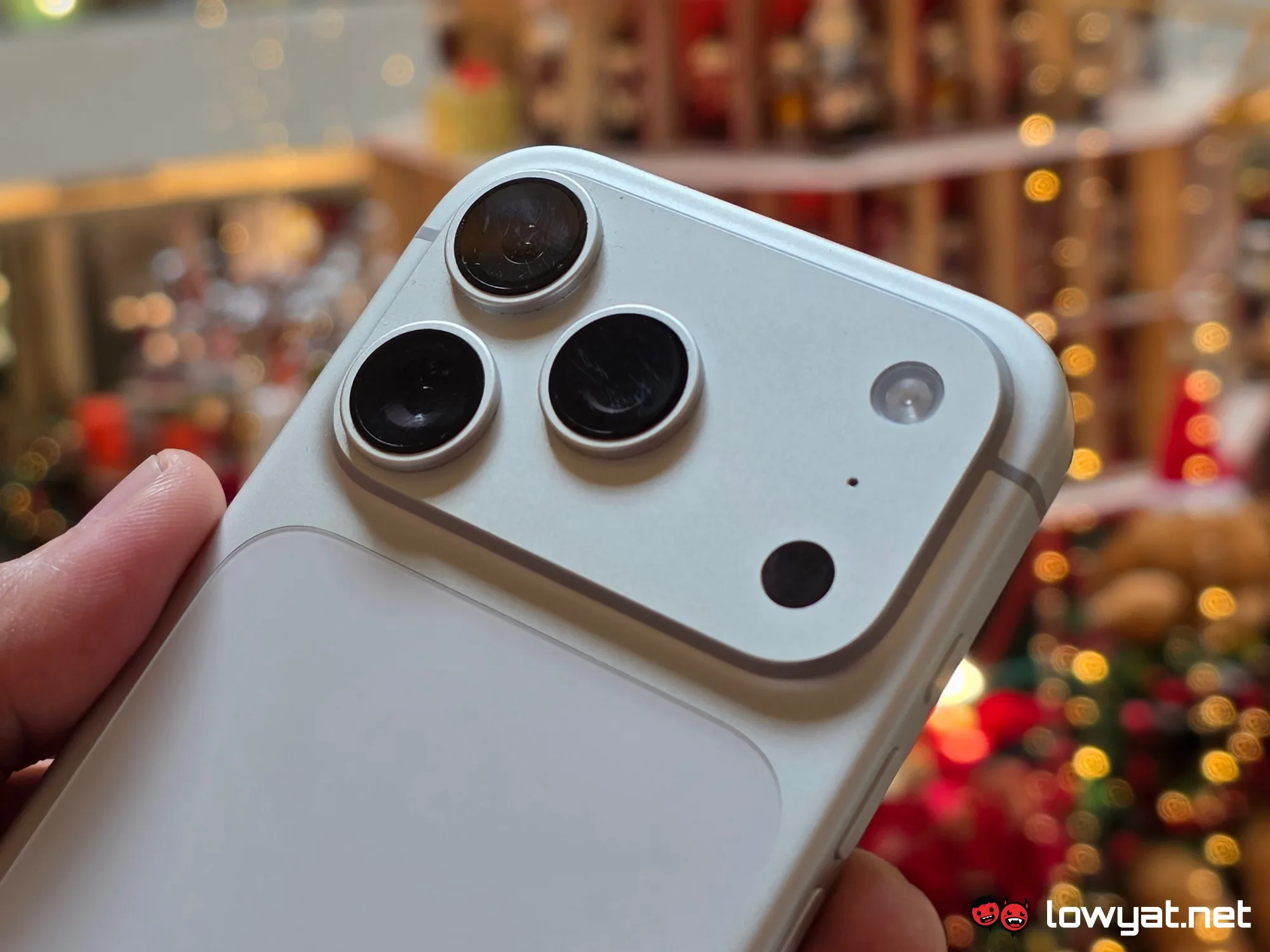
In September, Apple is set to introduce iOS 27, a new operating system version that will feature AI-driven functionalities. However, given the focus on AI tools, there might be some apprehensions regarding their potential misuse, especially those designed for image generation. To tackle this issue, Apple might be crafting a feature that verifies the camera source of an iPhone photo, as per 9to5Mac's reports. The new code found in iOS 27 beta 5 points towards what is known as "Apple Reference Image".
This feature will initially be disabled by default and can only be accessed by turning on "Reference Mode" in the camera settings. When activated, it will embed provenance data within images captured by the device. However, these photos won't be automatically authenticated. Instead, users will have the option to verify them. For verification, the raw image, its metadata, and data about the camera sensor and other unique hardware identifiers will be sent to Apple's Private Cloud Compute servers.
A unique ID will also be attached to the photo. If the image sensor is compromised, Apple will refuse to verify images taken with it and might even revoke prior authentications associated with that sensor.
Users will be able to share the authenticated photo with other devices, which can then assess if it remains authenticated. This process doesn't involve sharing the image with Apple, thus preserving user privacy. The data shared when transferring photos might differ based on the transfer method and whether the image is the original, authenticated, or edited version.
Apple might also introduce a way to share all data. This feature appears to be similar to C2PA Content Credentials, which Google integrated into its Pixel 10 lineup last year. Upon its launch, Apple Reference Image will complement existing measures for distinguishing genuine images from fake ones. Currently, most tools concentrate on detecting AI-generated content, such as Apple's SynthID, which uses hidden watermarks for AI images.
Written by urgent.news from Lowyat.NET's reporting — not their text. Machine-written — may contain errors; check the original before relying on it.