Anthropic pledges to embed watermarks to help discern AI slop in sop to EU
EU rules cited as reason for effort to trace AI output ancestry
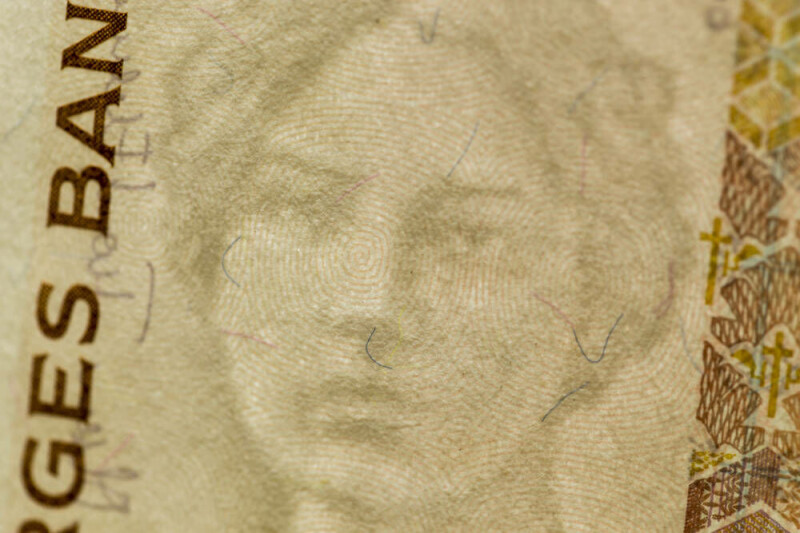
Anthropic has announced plans to embed watermarks into the text and files produced by its future AI models launched within the European Union, as part of its commitment to meet content and transparency regulations outlined in the EU's AI Act. The company detailed this in a help document published on Monday. In addition to future models, Anthropic is also working on adding output markings to its existing models to ensure compliance during the transition period permitted by EU law.
These watermarks will be incorporated into outputs from supported models wherever Claude is available, globally.
The move could potentially bolster the appeal of open-source models and possibly alienate Claude's existing customers, who may not wish users of their AI-generated content to be aware of the source. Claude users have previously voiced dissatisfaction over pricing adjustments, reliability concerns, and model safety measures that have impeded legitimate work in the pursuit of safety.
Some users seem doubtful that a text-based watermarking system will prove effective. Researchers have previously shown that image-based watermarking can be bypassed.
Anthropic plans to apply watermarks to the outputs of covered Claude models on the Claude Platform (API), Claude, Claude Code, Claude Cowork, and Claude Tag. This includes third-party providers of Anthropic models such as AWS, Google Cloud, and Microsoft Foundry. The company expects to release further documentation on how users can detect Claude's watermark, as mandated by EU law.
When a supported Claude model generates text, it seamlessly integrates an imperceptible watermark directly into the text itself, which remains undetected and does not alter the response's meaning, quality, or readability. Since the watermark is a part of the text, it travels with the text when copied and pasted elsewhere and may persist through certain editing processes.
Watermarking will be applied at the model level, ensuring it remains present regardless of the Claude product or surface from which the text originates. While the specifics of how Anthropic intends to make the watermarks difficult to remove remain unclear, it should not be particularly challenging to develop an optical character recognition system that can strip or omit these subtle marks from Claude-generated text.
Anthropic maintains that its text marking system does not alter the meaning of Claude's output, which precludes using word choice and placement as a text provenance identifier. Open source removal tools already exist for signed provenance metadata attached to Claude-created files, which conform to the C2PA standard. Anthropic acknowledges that detected marks are not definitive proof that Claude produced the content and that the absence of marks cannot assure that AI was not involved in creating a specific piece of content. However, the company believes this scheme meets legal compliance requirements.
Written by urgent.news from The Register Science's reporting — not their text. Machine-written — may contain errors; check the original before relying on it.
This story
This is one outlet's version. Read the fullest account.