After 10 years of Pixels, why is Google still making phones?
With the Google Pixel 11 launch imminent, I asked three analysts why Google is still making phones.
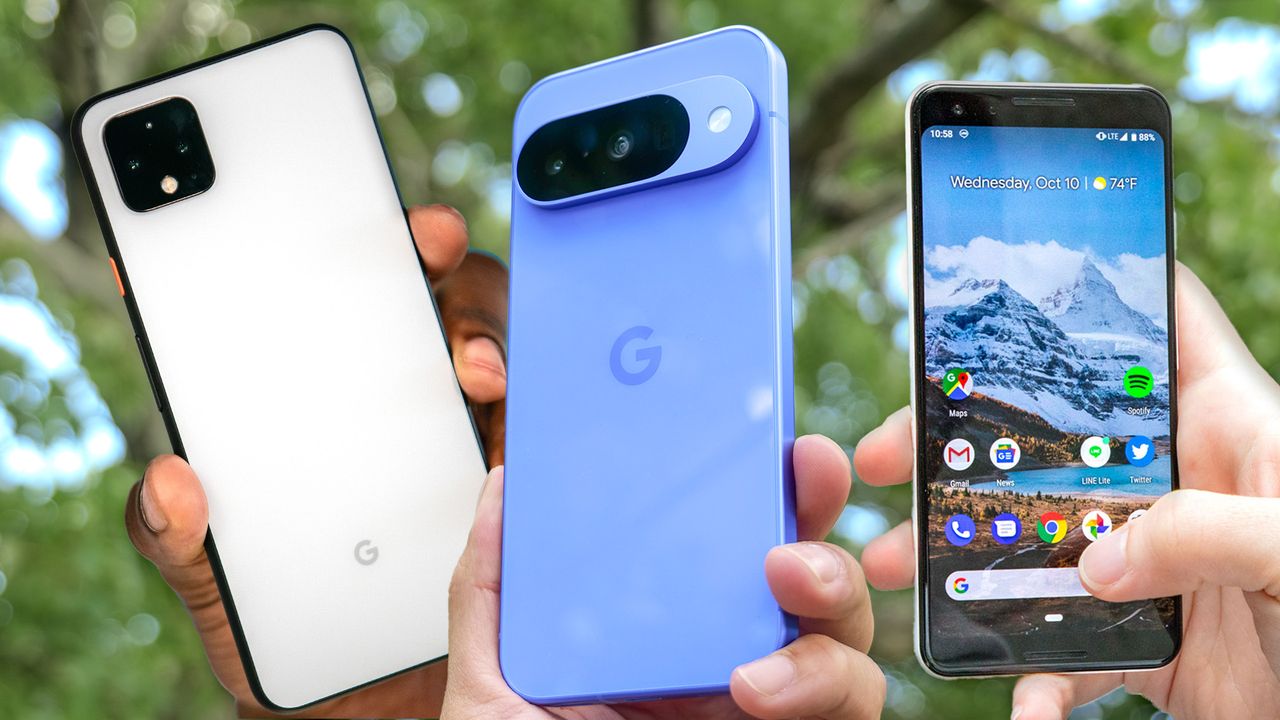
The first Google Pixel phone debuted 10 years ago, marking a new era of "made by Google" devices. The original Pixel boasted a 5-inch OLED screen, 4GB of RAM, an 8MP camera, and Android 7.1 Nougat. Its primary goal was to be a unique flagship contender against the iPhone and Galaxy devices, leveraging Google's computational photography and AI capabilities.
Fast forward to 2025, and Google's share of the global smartphone market has grown significantly, reaching 4.1% in the U.S. and even higher in countries like the UK and Japan. Despite this growth, Google still faces challenges in terms of distribution, with its devices only available in around 22 countries, compared to industry leaders like Apple and Samsung that dominate well over 120 global markets.
Google's focus on distribution is deliberate, as it aims to showcase Android software capabilities rather than directly compete with partner hardware ecosystems. The company's primary driver for continuing the Pixel line is AI. Google has been pioneering AI features on its devices, such as the Pixel 6's Magic Eraser, Photo Unblur, and now Gemini Live for real-time voice interaction.
With the upcoming Pixel 11 lineup featuring advanced AI capabilities, Google aims to demonstrate its ongoing leadership in AI on smartphones.
Written by urgent.news from Tom's Guide's reporting — not their text. Machine-written — may contain errors; check the original before relying on it.