A Federal Policy Is Complicating How Organizations Battle the Opioid Crisis
Drug test strips are credited with saving lives, but a new policy will limit how funds can be used for them. Advocates of harm reduction strategies who responded to a mass overdose in Baltimore say distributing them will get harder. Federal officials say the strips enable drug use.
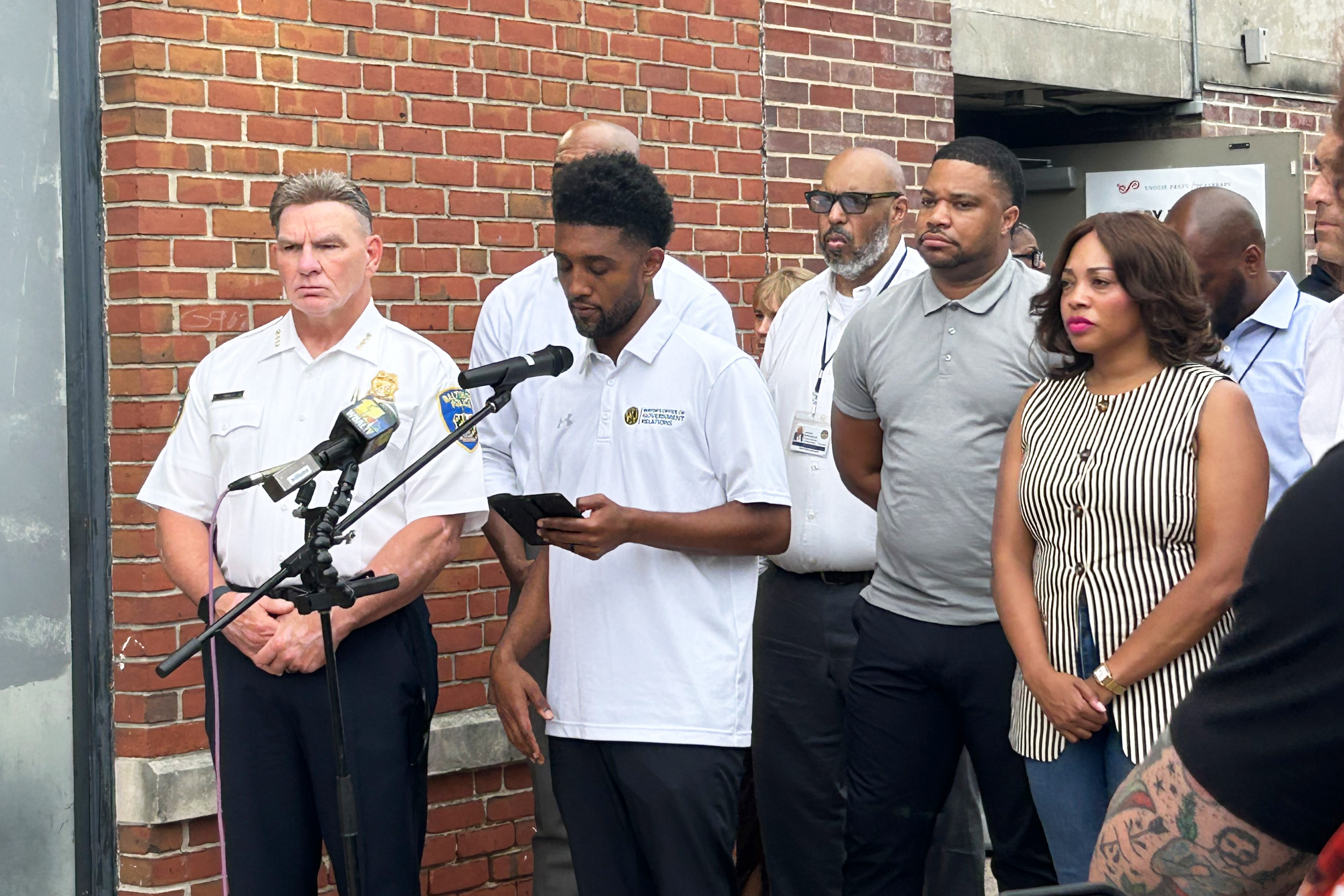
Last year, Baltimore experienced multiple mass overdose incidents in the Penn North neighborhood. In one incident, over two dozen people were hospitalized after being found unresponsive in the streets or on sidewalks. Follow-up testing revealed the street drugs contained high levels of a benzodiazepine, N-methylclonazepam, which can suppress breathing and increases the risk of overdose when combined with opioids.
In response, the Baltimore Harm Reduction Coalition developed test strips to identify harmful adulterants in street drugs, including fentanyl, xylazine, and medetomidine. These test strips, which can be obtained for free, are now available at various locations, including clinics, events, bars, and street corners.
However, a recent federal policy may complicate the distribution of these life-saving test strips. The Substance Abuse and Mental Health Services Administration (SAMHSA) recently banned the use of federal grants for distributing test strips to the general public and other harm reduction practices. This decision has raised concerns among health advocacy groups, as they worry that the availability of test strips may decrease, potentially leading to an increase in overdoses.
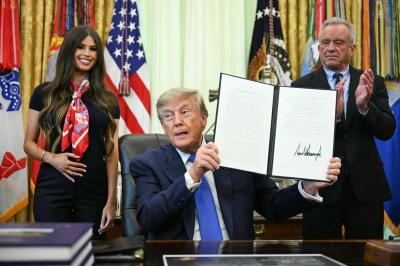
The Trump administration argues that harm reduction practices "facilitate illicit drug use and are incompatible with Federal laws."
Although the policy does not prohibit the use of federal funds for purchasing test strips for law enforcement officers, public health officials, and medical professionals, it does create a significant obstacle for organizations like the Baltimore Harm Reduction Coalition. They must now seek alternative funding sources for distributing test strips, which could force them to cut back on other essential services.
This development has led to a push from health advocates, such as Candy Kerr, to continue promoting the use of test strips alongside providing naloxone, an overdose reversal drug, to prevent further harm and save lives.
Written by urgent.news from KFF Health News's reporting — not their text. Machine-written — may contain errors; check the original before relying on it.