A deadly outbreak is spreading at record speed. Why is it so hard to contain?
More than 2,000 people have died from Ebola in the Congo. However, only 30 per cent of confirmed cases are seeking help.
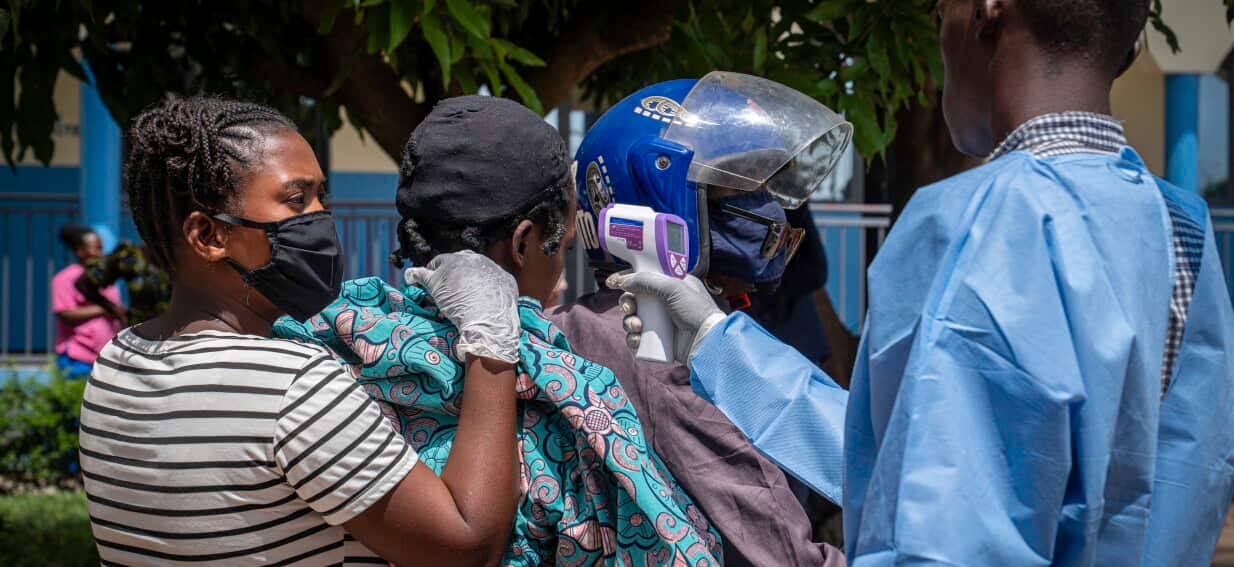
The Ebola outbreak in the Democratic Republic of Congo (DRC) has claimed over 2,000 lives and infected more than 4,000 people, marking the country's deadliest outbreak to date. Since its declaration on May 15, the virus has been spreading rapidly, particularly in the conflict-ridden eastern and northeastern regions. With a case fatality rate of 45.9%, the current outbreak is estimated to have already peaked, according to Health Minister Samuel Roger Kamba.
However, insecurity and mistrust among local populations hinder response efforts, as only about 30% of infected individuals are currently being identified, while the remaining 70% succumb to the disease at home.
The World Health Organization (WHO) has called for a full-scale human trial of the Ervebo Ebola vaccine to assess its potential efficacy against the Bundibugyo strain currently circulating in the DRC, for which no specific vaccine exists. WHO experts noted that early data, including from animal trials, suggest that Ervebo may provide some protection against this rare strain.
While two potential Bundibugyo vaccines are in clinical trials, a third is still in development. Ebola is transmitted through contact with bodily fluids and has caused over 15,000 deaths in Africa over the past five decades.
Written by urgent.news from SBS News's reporting — not their text. Machine-written — may contain errors; check the original before relying on it.