19 Creepy Catacombs Around the World You Can Visit
Catacombs—underground rooms and tunnels used as cemeteries—date back to first-century Rome, but the most famous (and infamous) were created across Europe in the 17th century. Overcrowding in Paris’s more traditional burial spaces, as well as sanitation issues, led authorities to turn the miles of tunnels connecting quarries under the city into crypts. It’s believed that more than six million…
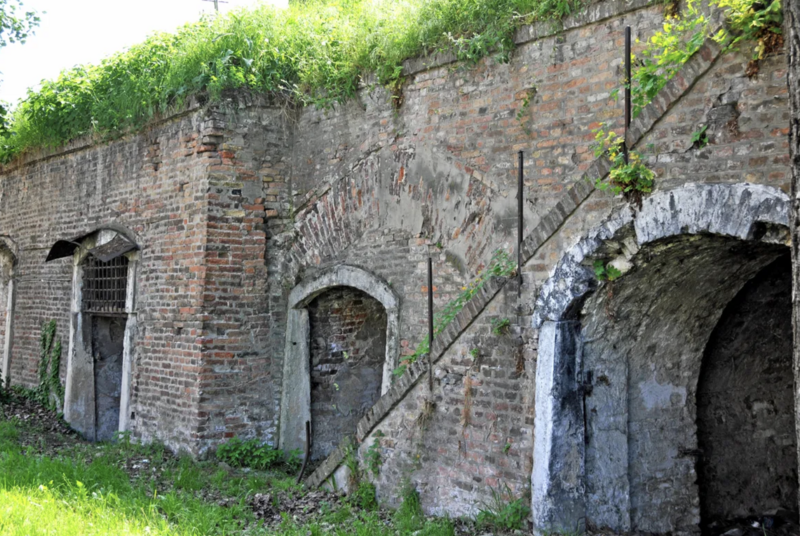
1. The military galleries of Petrovaradin Fortress in Serbia hide a labyrinth of passageways. Stretching almost ten miles, the four-story network features crypts adorned with Maltese crosses, Masonic symbols, and an enigmatic inscription. Local lore suggests the "Kaiser Well" was once a secret repository of the Austrian Imperial Treasury, potentially protected from Napoleon.
2. Beneath New York City’s historic Old St. Patrick’s Cathedral, a network of catacombs once held the remains of over 2,000 individuals from various immigrant communities. The crypts, which include a notable vault belonging to General Thomas Eckert, are now open for guided tours. The tomb of Congressman John Kelly, an adviser to Abraham Lincoln, is another notable feature.
3. Naples, Italy, is home to the Catacombs of Saint Gaudiosus, where King Genseric of the Vandals once sought refuge and where African refugees were interred. In the 17th century, Dominican monks transformed these tombs into elaborate mummification sites, adorned with frescoes and plaster. The site’s discovery and subsequent tours began in 2006.
4. Malta’s St. Cataldus Catacombs, dedicated to an obscure Irish saint, features a unique agape table carved into the rock. The chamber also contains some of the oldest surviving Christian art, with a staircase leading to late 2nd to 3rd century tombs adorned with dove imagery.
5. Fontanelle Cemetery Caves in Naples were repurposed as a burial ground during the 1500s churchyard overflow, mainly accommodating victims of a 1656 plague and 1830s cholera epidemics. A priest named Father Gaetano Barbati began a unique practice of cataloging and preserving the anonymous remains, leading to a local cult of the dead that named skulls and left offerings.
Written by urgent.news from Atlas Obscura's reporting — not their text. Machine-written — may contain errors; check the original before relying on it.