트럼프, 아동 예방접종 18개→11개 축소…의료계 “아동 건강 위협”
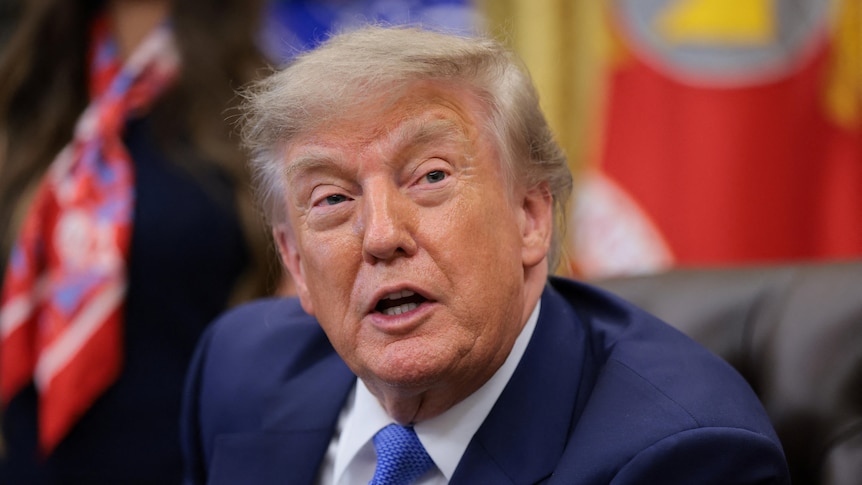
Donald Trump, the former U.S. President, signed an executive order reducing the recommended number of childhood vaccinations from 18 to 11. Medical experts have criticized this decision, claiming it puts children's health at risk due to wrong beliefs. On October 10th, the White House announced that Trump signed an executive order titled "Highest Levels of Childhood Vaccination Recommendations for Americans."
This change resulted in the exclusion of six diseases from the current 17 mandatory vaccinations in the U.S. For all children, mandatory vaccinations include diphtheria, tetanus, whooping cough, hepatitis B, polio, measles, Haemophilus influenzae type B, measles, mumps, rubella, and rotavirus. The existing mandatory vaccinations for measles, mumps, and rubella were converted into a "joint clinical decision-making" approach, allowing physicians and guardians to consider a child's health status and decide on vaccination based on that information.
The measles-mumps-rubella (MMR) combined vaccine is now recommended to be administered separately at different times. This executive order was the result of efforts led by the Robert Kennedy Health Department Secretary, who has long advocated for it. Trump, during the signing ceremony, claimed that in past decades, children received much fewer vaccinations than they do today, and at that time, the population was healthier, and the high autism prevalence rates observed today did not exist.
He further asserted that autism's rapid spread to epidemic levels is due to something, and the U.S. will return to those levels. Medical organizations and public health experts unanimously criticized the executive order. The American Academy of Pediatrics' infection control committee's Dr. Alan Mills expressed concern that this change would cause confusion among parents and lead them to delay vaccinations.
Experts refuted the president's assertion that there is a causal relationship between autism and vaccination, stating that it is wrong. Andrew Rasiej, president of the American Academy of Pediatrics, emphasized that there is no link between autism and vaccination based on long-term research in over 40 studies. The lack of a supporting system for this executive order was also pointed out.
Currently, there are no authorized separate vaccines for measles, mumps, or rubella in the U.S. Elizabeth Mac, a pediatric ICU specialist, highlighted this point, noting that separate vaccines would increase hospital visits, and the uncertainty of receiving compensation from insurance companies makes the situation unclear. The legality of this executive order is uncertain.
In the U.S., a panel of experts provides recommendations for vaccination, and the CDC director adopts these recommendations. Additionally, the authority to mandate vaccination for school and daycare entry lies with individual states. Trump instructed the Department of Justice to support parents' claims to exercise religious and medical exemptions from vaccination, which led to lawsuits being filed against state governments.
The Trump administration's attempt to reduce vaccination recommendations has already been halted by the courts. Even the Republican Party criticized this decision. U.S. Senator Bill Cassidy, a Republican, stated that he is a doctor and that this executive order is wrong, emphasizing that the president has no expertise in vaccine policy.
Written by urgent.news from Hankyoreh's reporting — not their text. Machine-written — may contain errors; check the original before relying on it.